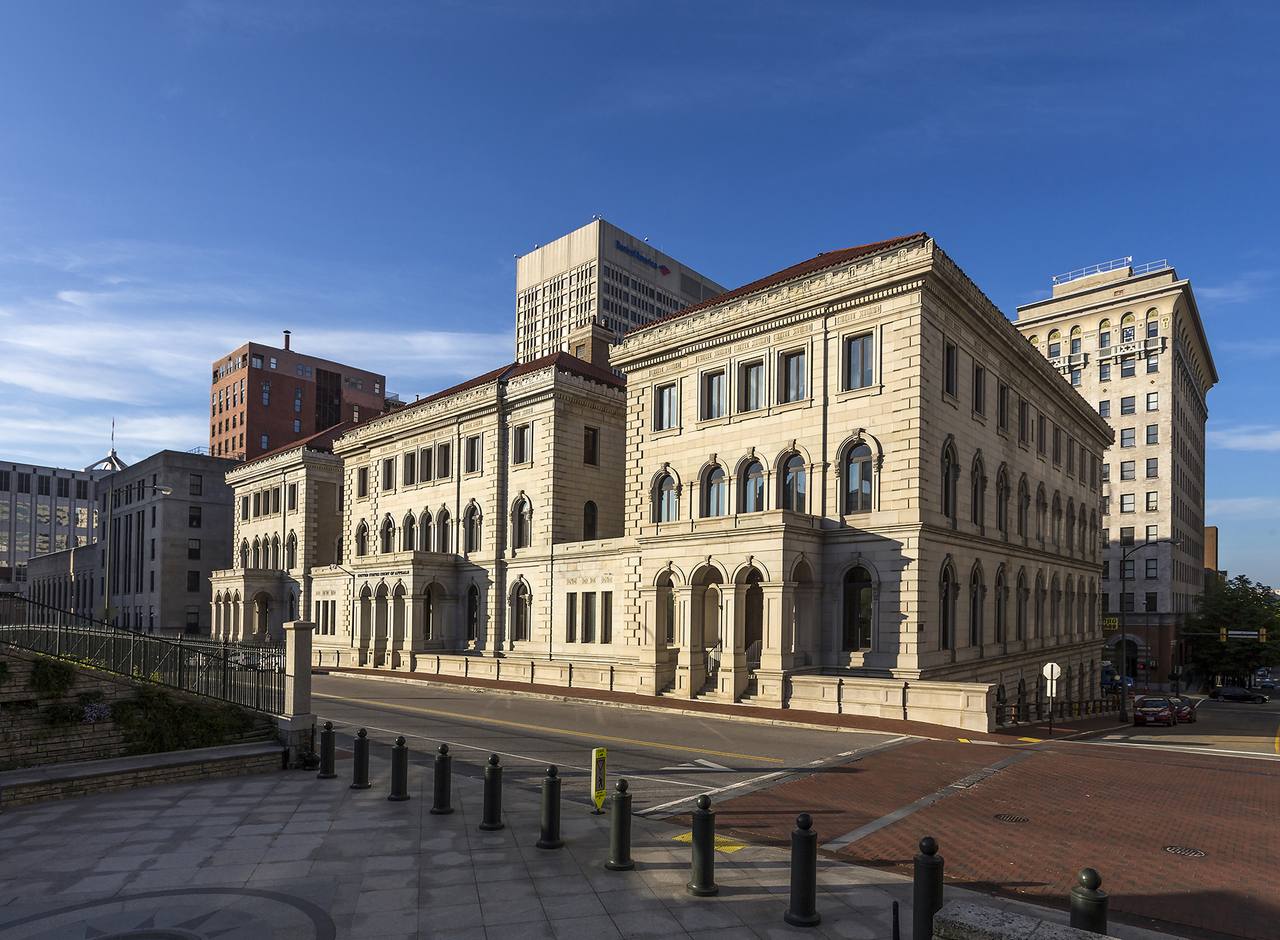
A three-judge panel of the U.S. Court of Appeals for the Fourth Circuit handed down a split decision on Monday, November 23, 2026, in Virginia's high-stakes fight with the federal government over immigration enforcement — ruling that the state cannot force federal agents to unmask and identify themselves, but can refuse to let its own police help carry out federal immigration enforcement.
Source: Bloomberg Law
The mask law: Virginia cannot order federal agents to show their faces
The panel affirmed a preliminary injunction barring Virginia from enforcing its Mask/Identity Law against federal officers. The law makes it a misdemeanor for any full-time or part-time employee of a federal law-enforcement agency, while performing official duties, to wear a facial covering, and requires such officers to display visible identification. It sets out exceptions for tactical and undercover work, but subjects officers who do not comply to criminal penalties.
Judge Toby J. Heytens, writing for the majority and joined by Judge DeAndrea Gist Benjamin, held that the law likely violates the intergovernmental immunity doctrine — the principle that states may not directly regulate the federal government. “Just as Congress may not issue orders directly to the States, States may not issue orders directly to the Federal Government,” the opinion said. The court stressed that its holding was limited, and that it was not deciding whether other legal requirements, including the Fourth Amendment, limit the use of masked and otherwise unidentified officers.
Source: Reason / Volokh Conspiracy
Judge Robert King agreed with the majority that Virginia may limit cooperation with federal immigration enforcement, but dissented on the mask law. He said he would have lifted the injunction against it, arguing that the statute regulates “only a limited aspect of an officer's public conduct” and does not prohibit or dictate the performance of federal duties.
The cooperation law: Virginia can refuse to help ICE
On the second question, the panel ruled the other way. It vacated the preliminary injunction that had blocked Virginia's law imposing new conditions on 287(g) agreements — the contracts under which trained state and local officers perform specified immigration functions under federal supervision. The law limits when Virginia agencies may enter into or maintain such agreements, and imposes identification requirements, restrictions on where immigration enforcement may be conducted, and requirements to provide the names and ranks of federal agents involved in enforcement activity.
The court held that Virginia's choice does not violate the intergovernmental immunity doctrine because it neither requires the federal government to do anything nor limits any private party's ability to contract with the federal government. It also rejected the federal government's Contracts Clause challenge for two reasons: the existing agreements expressly permit the non-federal party to terminate them unilaterally and without cause, and even if they did not, Virginia “would have constitutionally valid justifications for imposing new terms for future cooperation.”
How the case reached the Fourth Circuit
Virginia's General Assembly passed the two laws on April 22, 2026, after a year in which masked federal immigration operations in the state drew protests and complaints from residents who said they could not tell who was arresting their neighbours. The Trump administration sued, and U.S. District Judge Robert Payne in Richmond preliminarily blocked the mask and identification law on June 30, 2026, relying on evidence of doxxing, threats and assaults against federal officers and interference with undercover and surveillance operations. On August 31, he preliminarily blocked most of the 287(g) law, while allowing Virginia to keep barring localities that had never entered a 287(g) agreement from signing one for the first time.
Source: Immigrant Legal Resource Center
Virginia appealed both orders — the mask ruling on July 6 and the 287(g) ruling on September 8. The Fourth Circuit denied the state's request to pause the mask injunction on September 3, consolidated the two appeals on September 17, and heard argument on October 27, when the panel pressed the state's lawyer hard on the mask ban while signalling openness to the cooperation law.
The Fourth Circuit is not the first appeals court to reach this conclusion on a mask law. A unanimous Ninth Circuit panel reached the same result for a materially identical California statute, and district courts hearing similar challenges have agreed. In California, a federal judge permanently blocked that state's ICE mask ban and identification law on November 19.
What it means on the ground in Virginia
For Virginians, the decision cuts both ways. Local sheriffs and police departments cannot be compelled to sign or keep 287(g) agreements with U.S. Immigration and Customs Enforcement, and Virginia may set the terms for any cooperation that does continue — a significant check on federal immigration enforcement in a state where immigrant communities, including many Punjabi and South Asian families in Northern Virginia, have watched enforcement operations closely. At the same time, federal agents operating in Virginia may continue to wear masks and need not display the identification Virginia lawmakers tried to require, leaving residents with no state-law route to learn the name or agency of an officer carrying out an arrest.
What happens next
Both rulings are preliminary. The case now returns to Judge Payne's court in Richmond for a decision on the merits, and either side may ask the full Fourth Circuit to rehear the case. Neither side had announced by Monday evening whether it would seek rehearing. The underlying dispute — over how far a state may go in regulating federal immigration enforcement within its borders — is also playing out in other states, and the split between Virginia's two laws may yet reach the Supreme Court.
Awaaz Punjab reported on the Fourth Circuit's October 27 hearing in this case, when the judges pressed Virginia on its mask ban while signalling openness to the cooperation law. Read our earlier report on the hearing