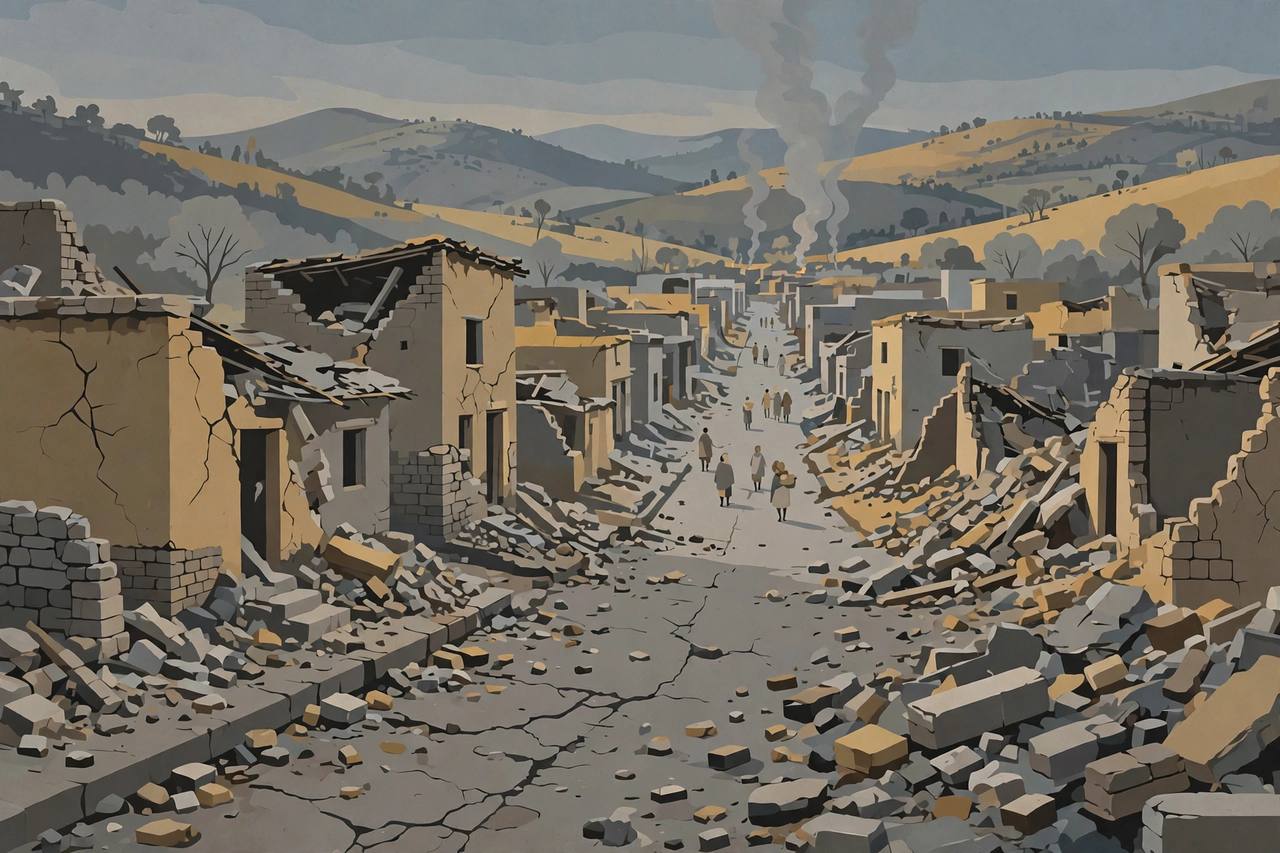
Amnesty International said on Tuesday that artillery strikes by Ethiopia's military and an allied militia on the Tigray city of Alamata in September must be investigated as possible war crimes, in a report that accuses both sides in the renewed fighting of putting civilians in danger.
Source: Reuters
The Ethiopian National Defense Forces (ENDF) and the Tigray Peace Forces (TPF) shelled densely populated neighbourhoods of Alamata between 26 and 28 September, Amnesty said, killing dozens of civilians and injuring many more. Its researchers independently verified the deaths of 14 civilians, including three children, in four shelling incidents.
Source: Amnesty International
"For three consecutive days, the ENDF and TPF repeatedly shelled Alamata in total disregard of the lives of its 80,000 inhabitants," said Yasmine Ahmed, Amnesty International's senior director for regional human rights impact. "The use of artillery, a weapon with wide-area effects, in densely populated neighbourhoods has a terrible impact on civilians. Indiscriminate attacks violate the rules of international humanitarian law, and these strikes must be investigated as war crimes."
Source: Amnesty International
Seven killed in one neighbourhood
The deadliest incident Amnesty verified struck on the morning of 27 September, when shells hit five houses in the Kebele 04 condominium neighbourhood, killing seven people — including a mother, her young son and her brother — and injuring four others. The houses stood about 150 metres from the Werknesh Hotel, where residents said Tigray People's Liberation Front (TPLF) fighters had been staying. Another strike on 26 September hit a bar in a commercial area, killing at least three people during holiday celebrations.
Source: Reuters
Amnesty said the artillery was fired from the Waja Ena Tumuga area, about 13 kilometres south of the city. Its findings rest on interviews with 28 people — survivors, witnesses, relatives of victims and humanitarian and medical staff — and on analysis by its Evidence Lab of eight videos, 17 photographs and satellite imagery.
Both sides accused
The report does not spare the other side. Amnesty also found that forces affiliated with the TPLF put civilians in harm's way by establishing military bases in populated residential areas, including in several schools in Alamata, before the renewed fighting began. The TPLF "categorically rejected" the allegations in a four-page letter sent to Amnesty on 18 November. A spokesperson for the TPF told Reuters that the group's fighters were not on the front lines during the battle, and Amnesty said the ENDF and TPF had not responded to its findings as of publication.
Source: Amnesty International
Amnesty argued that the presence of TPLF fighters nearby could not justify the indiscriminate use of explosive weapons in a densely populated area. It also said the TPLF's conduct may itself violate international humanitarian law.
A war rekindled
Fighting erupted on 23 September between pro-government forces and the TPLF, rekindling the 2020–2022 civil war in which the United States accused all sides of committing war crimes. The ENDF and TPF seized Alamata, a key supply hub for troops, food and fuel, on 28 September, and captured Tigray's capital Mekelle less than a week later. At the time of the fighting, BBC News Amharic reported that a hospital source and residents said more than 50 people had been killed in shelling during four days of heavy fighting — a higher toll than the 14 deaths Amnesty was able to verify independently.
Amnesty wrote to the ENDF, TPF and TPLF on 27 October requesting information about the incidents, and shared its investigation findings with the ENDF and TPF on 17 November. It is calling on the UN Human Rights Council to establish an independent mechanism to hold perpetrators accountable and to ensure unhindered access for monitors to conflict-affected areas.