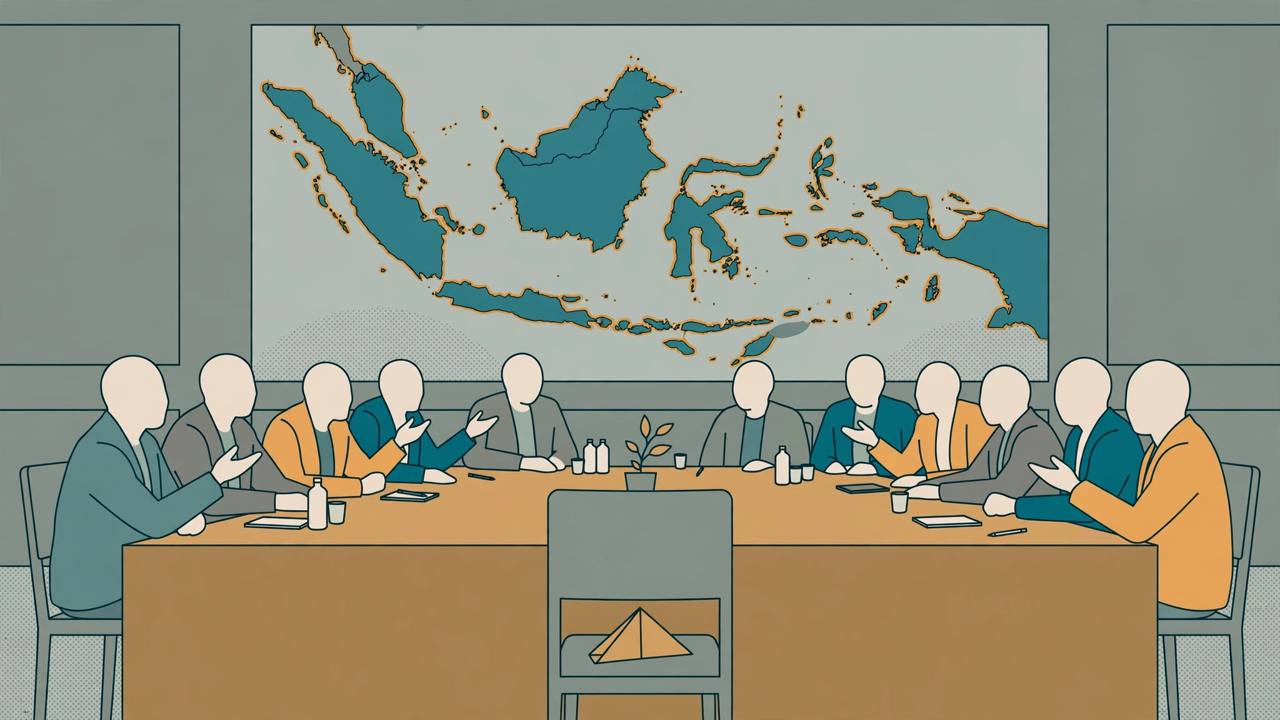
ASEAN is under increasing pressure at its upcoming summit to ease a five-year ban on Myanmar's military-backed leaders attending high-level meetings, after Thailand and several other members stepped up engagement despite the country's ongoing civil war, Reuters reported from Bangkok on Friday, November 13.
Source: Reuters, Nov 13, 2026
Leaders of the Association of Southeast Asian Nations are set to review their decision to exclude Myanmar when they meet in Manila from November 15 to November 17. Philippine spokesperson Dominic Xavier Imperial said on Friday that leaders will issue a negotiated document reviewing implementation of the bloc's Five-Point Consensus peace plan at the summit, Reuters reported.
Source: Reuters, Nov 13, 2026
Host Philippines: the ban stands for this summit
The Philippines has confirmed that Myanmar's military leaders will remain excluded from the Manila summit and related high-level meetings, maintaining the ban imposed after the 2021 military coup. Myanmar will instead be represented by the director-general of its Department of ASEAN Affairs, according to a statement from the Philippine Department of Foreign Affairs on Wednesday. “We welcome this official confirmation that there is no place for junta leader Min Aung Hlaing,” Khin Ohmar, founder of the human rights organisation Progressive Voice, told The Irrawaddy, in remarks reported by the Bay of Bengal Post.
Source: Philippine DFA statement via Bay of Bengal Post, Nov 12, 2026
Thailand openly pushes for easing
“For Thailand, we believe that the next step is to have the Foreign Minister of Myanmar participate in the ASEAN meetings at the level of Foreign Minister,” Thai Foreign Minister Sihasak Phuangketkeow told reporters after visiting Myanmar on Thursday. He said he hoped sufficient progress would allow a decision on Myanmar's participation by Thailand's chairmanship in 2028 at the latest, and that engaging policymakers would help convey ASEAN's concerns directly, while stressing the decision rests with the bloc's foreign ministers. Sihasak also said Myanmar had agreed in principle to send a delegation to talks Thailand has offered to facilitate with ethnic armed groups, but gave no date.
Source: Reuters, Nov 13, 2026
Background: the coup, the war and the Five-Point Consensus
Myanmar has been in turmoil since 2021, when then-military chief Min Aung Hlaing ousted the elected government in a coup, unleashing armed conflict across much of the country that has killed more than 100,000 people, Reuters reported. The United Nations says at least 8,384 civilians have been killed by Myanmar regime forces since the coup, while more than four million people have been displaced and nearly 23,000 political prisoners remain behind bars, according to figures cited in the Philippines confirmation report. Myanmar's political leadership has been barred from ASEAN summits and foreign ministers' meetings over its failure to implement the Five-Point Consensus, agreed after the coup, which calls for an end to violence, inclusive dialogue, humanitarian assistance and mediation by an envoy able to meet all parties; the military leadership formally rejected the plan in a parliamentary vote in July 2026.
Source: Philippine DFA statement via Bay of Bengal Post, Nov 12, 2026
A bloc pulling in two directions
Nearly half the bloc's 11 members have stepped up bilateral engagement since elections in December and January, won overwhelmingly by the military-backed Union Solidarity and Development Party in the absence of any viable opposition: Laos, Thailand, Vietnam, Cambodia and Malaysia have this year welcomed Min Aung Hlaing on official visits, and Malaysian Prime Minister Anwar Ibrahim pledged in October to work towards Myanmar's reintegration into the bloc. Civilian leader Aung San Suu Kyi, detained since the coup, was moved to house arrest in April, but no foreign leader or envoy has been able to meet her despite requests, Reuters reported. Philippine Foreign Secretary Theresa Lazaro, ASEAN's special envoy, visited Myanmar on a humanitarian mission in October; the envoy role itself is under scrutiny, with a Southeast Asian diplomat telling Reuters Myanmar has been keen to do away with the special envoy entirely.
Source: Reuters, Nov 13, 2026
Analysts warn the split tests ASEAN unity. “I think the Five-Point Consensus now has been overtaken by events,” said Thitinan Pongsudhirak of Bangkok's Chulalongkorn University. Simon Tay, chairman of the Singapore Institute of International Affairs, said warmer bilateral ties do not automatically change ASEAN policy, which remains unless members collectively agree otherwise: “Political acceptance should follow progress, not precede it.” Human Rights Watch has urged ASEAN to maintain restrictions and increase pressure on the military to end abuses and pursue a transition to civilian rule. What happens next is decided in Manila: unless the bloc reaches consensus to change course, the status quo — exclusion at leaders' level, engagement growing bilaterally — remains.
Source: Reuters, Nov 13, 2026