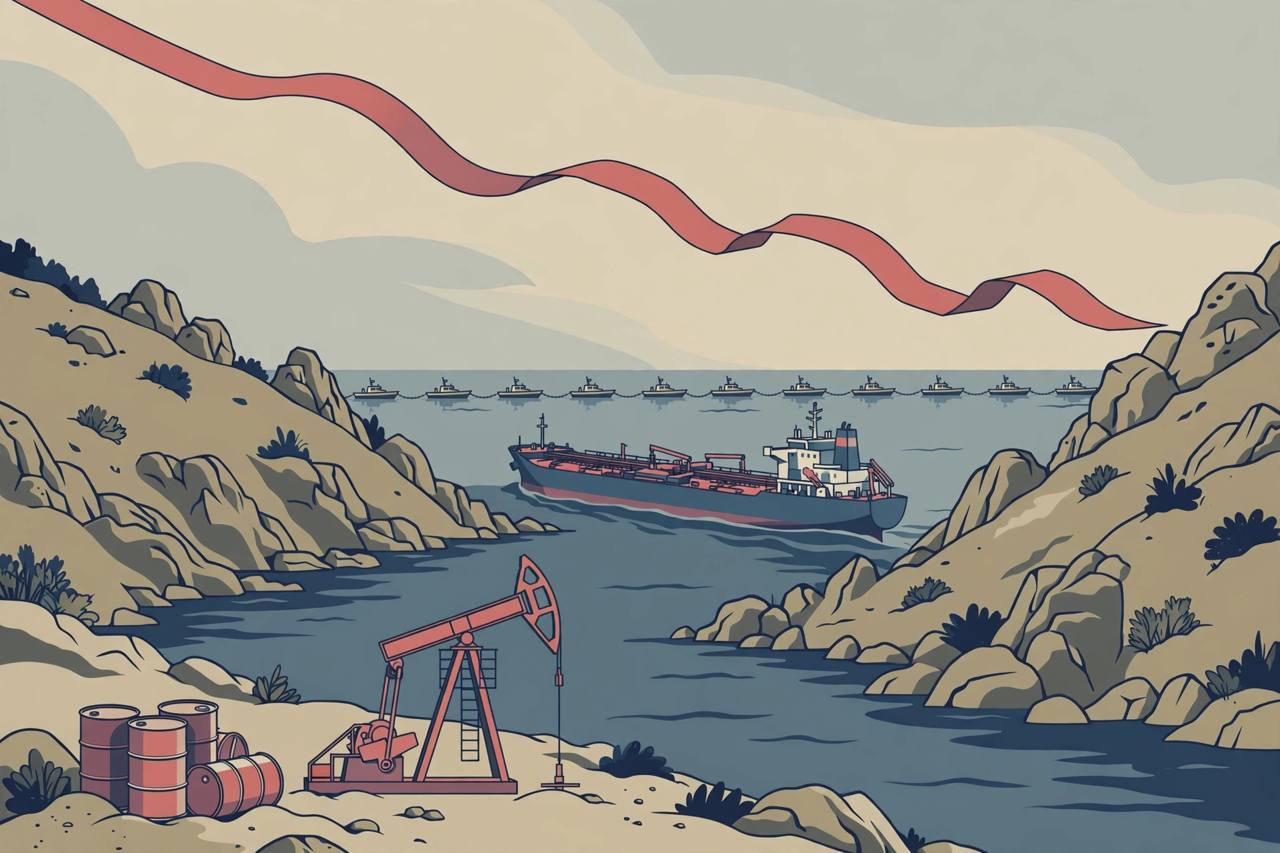
Oil prices edged down on Friday and were headed for a second straight weekly decline, as the United States kept its focus on its naval blockade of Iran and other economic pressure — easing fears of renewed direct fighting, even though attacks on shipping remained a supply risk, Reuters reported.
Source: Reuters
For the week, Brent and West Texas Intermediate (WTI) were both on track for a drop of nearly 3%. The fall follows a much steeper plunge last week, when Brent dropped 16% and WTI dropped 13%, Reuters said.
Trump says a deal with Iran is not necessary
US President Donald Trump said on Truth Social that a deal with Iran was not necessary to end the war. Analysts quoted by Reuters said that signalled Washington would keep its blockade on Iranian oil shipments, along with trade and economic sanctions, rather than return to large-scale fighting.
“Trump's indications that further military escalation against Iran may not be necessary have raised expectations that Washington could increasingly rely on economic sanctions and restrictions on oil shipments rather than intensifying military operations,” said Sugandha Sachdeva, founder of SS WealthStreet, a New Delhi-based research firm, according to Reuters.
“The market is range-bound post midterms,” said Jeff Currie, founder of Real Macro and former global head of commodities research at Goldman Sachs, adding that there appeared to be little prospect either of more hostilities or of a peace deal. “That means the market is roughly balanced, with the ability to trade up limited and the ability to trade down limited,” he said, according to Reuters.
US oil stocks build adds to the pressure
US crude stocks rose 4.7 million barrels to 414.4 million barrels in the week ended November 6, the Energy Information Administration's Weekly Petroleum Status Report showed — against expectations in a Reuters poll for a 1.1 million-barrel draw. Yaani, stocks rose when traders had expected them to fall. Gasoline inventories climbed 1.8 million barrels and distillates, which include diesel and heating oil, rose 4.1 million barrels, though distillates remain 8% below the five-year average. Net crude imports rose by 544,000 barrels per day and refinery utilisation rose 0.7 percentage point.
Source: FXEmpire / EIA
Reuters reported that US crude and fuel inventories rose last week, driven by softer refined-products demand and a jump in oil imports, the EIA said on Thursday — a sign of softening US demand that also weighed on prices, Sachdeva said.
Hormuz shipping risk has not gone away
Despite the easing prices, risks remain for oil shipments out of the Strait of Hormuz, the key waterway for crude exports from the main Middle East producers. On Thursday, Iran's military said four oil tankers were hit by explosions in the strait after ignoring warnings — a claim Reuters said it could not immediately verify, and which is reported here as Iran's claim only.
That same day, Yemen's Iran-aligned Houthis said they had attacked a pumping station on the Saudi East-West oil pipeline, an oil facility in the Saudi Red Sea city of Yanbu, and an Aramco building in the capital Riyadh — also reported here as the Houthis' claim. “Geopolitical risks remain elevated, and any fresh disruption to oil supplies could quickly reignite upward pressure on prices,” Sachdeva said, according to Reuters.
Background: the US-Israeli war on Iran is now in its ninth month, having begun with US and Israeli strikes on Iran on February 28. Oil has had a volatile week, with earlier hopes for a rapprochement offset by the strikes on Saudi infrastructure claimed by the Houthis and by attacks on tankers shipping crude out of the Gulf, Reuters said.
Why it matters beyond the trading screens: oil prices set the cost of fuel, transport and remittances across the Gulf, where lakhs of Punjabi and Indian workers live and work, and they feed directly into fuel prices and inflation in India. A second weekly fall eases that pressure for now — but, as the analysts quoted above warn, one fresh disruption in Hormuz could reverse it quickly.
What happens next: traders are watching Friday's close to confirm the second weekly decline, any new Trump statement on Iran, shipping reports from the Strait of Hormuz, and the next US inventory data for signs of whether demand is really softening.