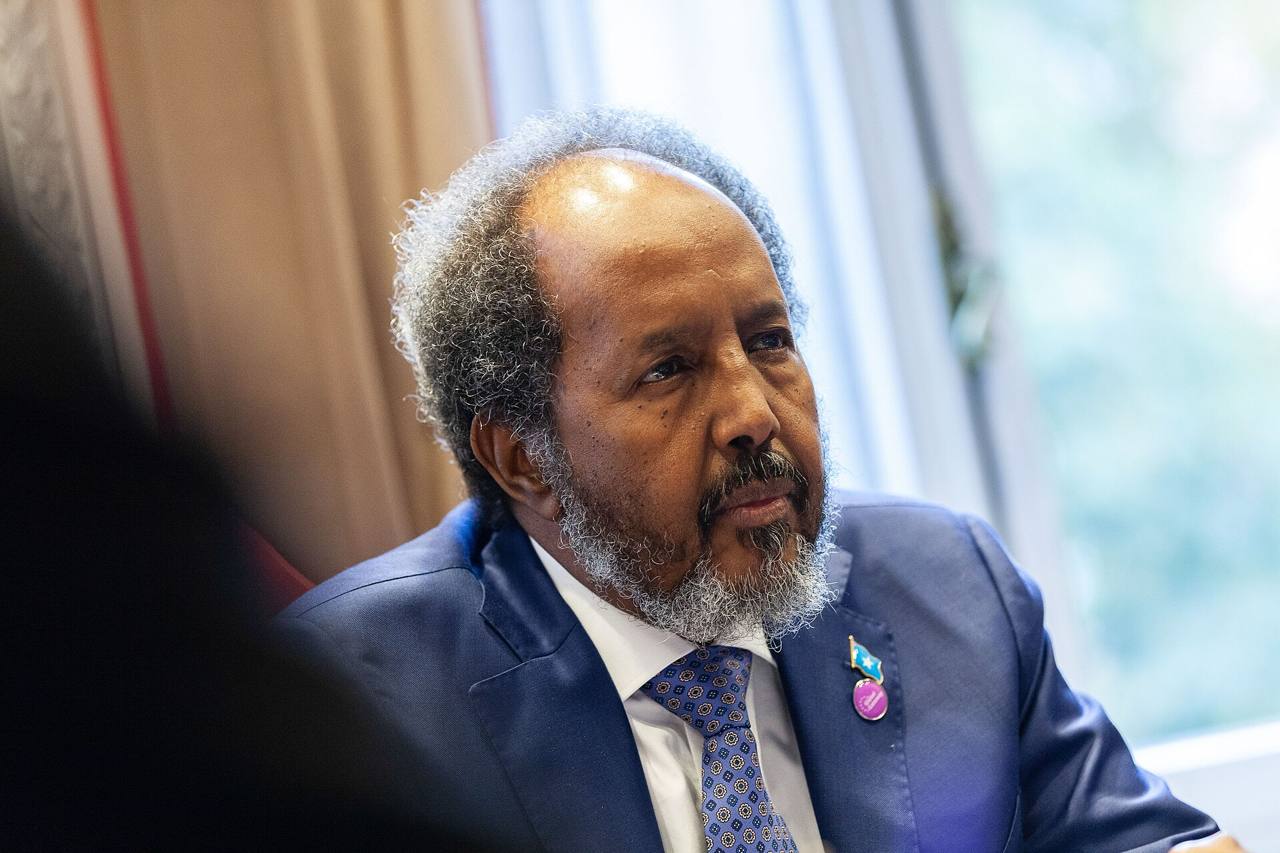
Somalia's Supreme Court ruled on Thursday that the terms of the country's president, parliament and federal government have already expired, rejected the idea that this year's constitutional amendments quietly extended their time in office, and ordered that elections be held within 90 days — a landmark judgment that plunges Mogadishu into an open constitutional confrontation.
Source: HornPost
In its decision, the court's Constitutional Division said the amendments adopted in 2026, which lengthened official terms to five years, did not state that the longer term would apply retrospectively to leaders already in office. The previous four-year term therefore still governs the current institutions, the court held, partially accepting and partially rejecting a constitutional petition brought by former President Sheikh Sharif Sheikh Ahmed.
Source: HornPost
The dates the court fixed — and a caretaker order
According to the ruling, the Federal Parliament's term ended on April 14, 2026, and the Federal Government's mandate expired the same day, while President Hassan Sheikh Mohamud's presidential term ended on May 15, 2026. Official actions taken after those dates could not be considered legally valid, the court said, and the federal government should operate only in a caretaker capacity, limited to routine administration and essential services. Political stakeholders were directed to agree an electoral framework within 30 days, with elections to follow within 90 days.
Source: HornPost
Second ruling the same day: the chief justice cannot be fired by Facebook post
In a separate but related decision issued the same day, the Supreme Court declared null and void President Mohamud's dismissal of Chief Justice Baashe Yusuf Ahmed. The presidency had announced on Wednesday, November 4, that Baashe was removed and that former chief justice Ibrahim Idle Suleiman — who held the post until May 2018 and later served as a legal adviser to Mohamud — was reinstated. The court said the president had no constitutional authority to remove the head of the judiciary unilaterally, and that the announcement itself had no legal effect: “The statement regarding the removal of the Chief Justice published on the Presidency's Facebook page lacks any legal basis,” the court said.
Source: Puntland Times
The court grounded its ruling in Articles 135 and 138 of the constitution: appointing a chief justice requires a recommendation from the judicial service body, approval by parliament and formal presidential confirmation, while removal must be initiated through the judicial council and approved by a majority of both houses of parliament sitting jointly. None of that process was shown to have happened. The court went further, saying the purpose of the dismissal was to interfere with the constitutional case already before it — Sharif's petition, filed on October 11 and received by the court the next day, challenging the amendment procedures and the mandates of the presidency, government and parliament.
Source: Somali Stream
What each side says
The presidency had justified Wednesday's change by citing complaints from judges, judicial employees and legal professionals about the administration of justice, presenting it as part of a broader reform to give Somalis a transparent and impartial judiciary — but it published no specific allegations against Baashe and did not say whether the judicial council or parliament had been involved. The Supreme Court rejected that justification, said the reported complaints had no substance, and defended Baashe's record on judicial standards, transparency and fighting corruption. Sharif Sheikh Ahmed welcomed the rulings as a defence of the constitution and the rule of law, and former Prime Minister Hassan Ali Khaire also welcomed them, calling the decision decisive and in the people's interest, according to HornPost. At the time of reporting, the Federal Government had not issued an official response; HornPost said it sought comment and received none.
Source: HornPost
Background — and what happens next
The clash lands on ground the court has already contested: under Baashe, the Supreme Court annulled the July 30 parliamentary and local council election results in Galmudug, forcing fresh elections on September 30 whose results it later certified. The 2026 amendments underpin the government's electoral framework and its preparations for planned 2027 elections, and Sharif has argued they were adopted without the procedures the law requires. Two questions now decide Somalia's next three months: whether Villa Somalia recognises rulings that declare its own mandate expired and its chief-justice appointment invalid — Suleiman cannot lawfully take office if Baashe was never lawfully removed — and whether rival camps can agree an electoral framework inside the court's 30-day window so a vote can actually happen within 90 days.
Source: Puntland Times