US President Donald Trump said on Thursday, November 5, that he will soon decide whether to resume all-out war in Iran, after meeting his national security team on Iran for the first time since the midterm elections — a decision he framed in the Oval Office as a choice about whether to go further with strikes to make sure Iran's nuclear programme is dead and, in his words, "it will never happen again".
Source: Axios via Zot News
"Now we will make a decision," Trump told reporters in the Oval Office. "I would rather not destroy the rest of the country if possible, but maybe I will have to. You'll know soon enough."
Source: Axios via Zot News
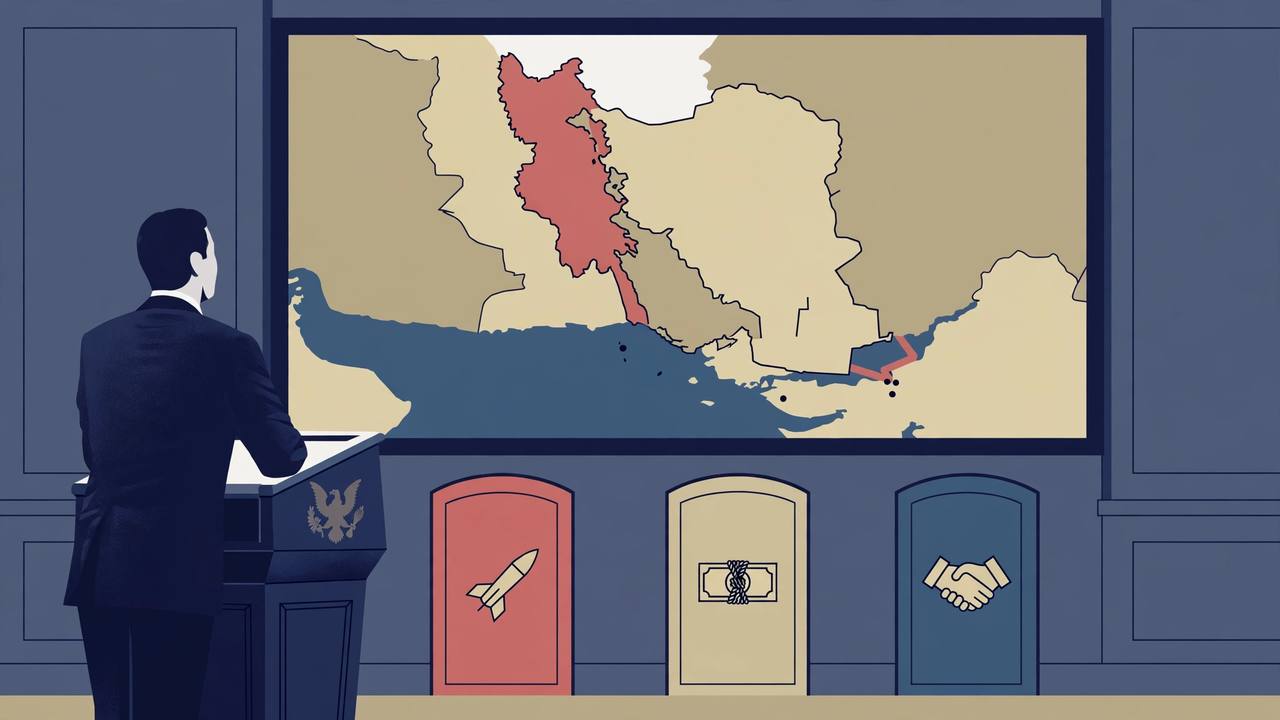
The Iran meeting formed part of Trump's weekly intelligence briefing, two US officials said, according to Axios reporter Barak Ravid. For now, the president is considering three options: launch new strikes, continue to squeeze Iran's regime economically, or cut a deal that includes significant concessions to the Iranians.
Source: TipRanks (Axios)
"If we have to do the rest of the Iran thing, we're very much locked and loaded," Trump said, adding: "They're not doing anything without our approval. Remember what I said to you: Iran will never have a nuclear weapon." He also promised wider announcements ahead: "We're going to do a lot of things. You'll be seeing a lot of things over the next week, two weeks. We have a lot of things cooking."
Source: Matzav (Oval Office remarks)
US Central Command (CENTCOM) is finalising preparations to potentially resume major combat operations in Iran, though it has not received a new directive from Washington, a US official said, according to the Axios report.
Trump spoke on the same day Iran sent a new nuclear proposal to Washington through Qatar, according to a senior Iranian official cited by Reuters — the latest move in the indirect talks that run alongside the military pressure. Read: Iran sends nuclear proposal via Qatar
Also on Thursday, Mohsen Rezaei, secretary of Iran's Supreme National Security Council and a key player in the indirect negotiations with the US, met Russian President Vladimir Putin at the Kremlin, days after Putin offered to mediate. Read: Iran's Rezaei meets Putin at the Kremlin
A sharp turn from earlier this week
The warning marks a harder line than Trump took only days earlier. In an interview with the Financial Times published on November 3, he said the United States had no immediate plans to strike Iran and that "we seem to be getting everything we want" in the stand-off, Reuters reported. Since then, the midterm elections have handed the Democrats control of both houses of Congress — a defeat Vice President JD Vance publicly blamed on the Iran war, and which Trump conceded this week was "largely true", while insisting he would make the same decision again.
Why it matters beyond Washington
Any resumption of major US strikes would land first on the Gulf: shipping through the Strait of Hormuz, oil prices, and the safety of the lakhs of Punjabi and Indian workers who live and work in Gulf states. Oil markets moved the other way on Thursday — Brent crude rose during the day but held below $100 a barrel after Wednesday's steep fall, as traders weighed whether the new Congress might press for de-escalation, Reuters reported.
What happens next: Trump gave no date for his decision, and no new order to CENTCOM has been reported. The next signals to watch are any White House announcement in the coming days, Iran's response to the remarks, and whether the Qatar-channel nuclear proposal produces a reply from Washington before any military step.