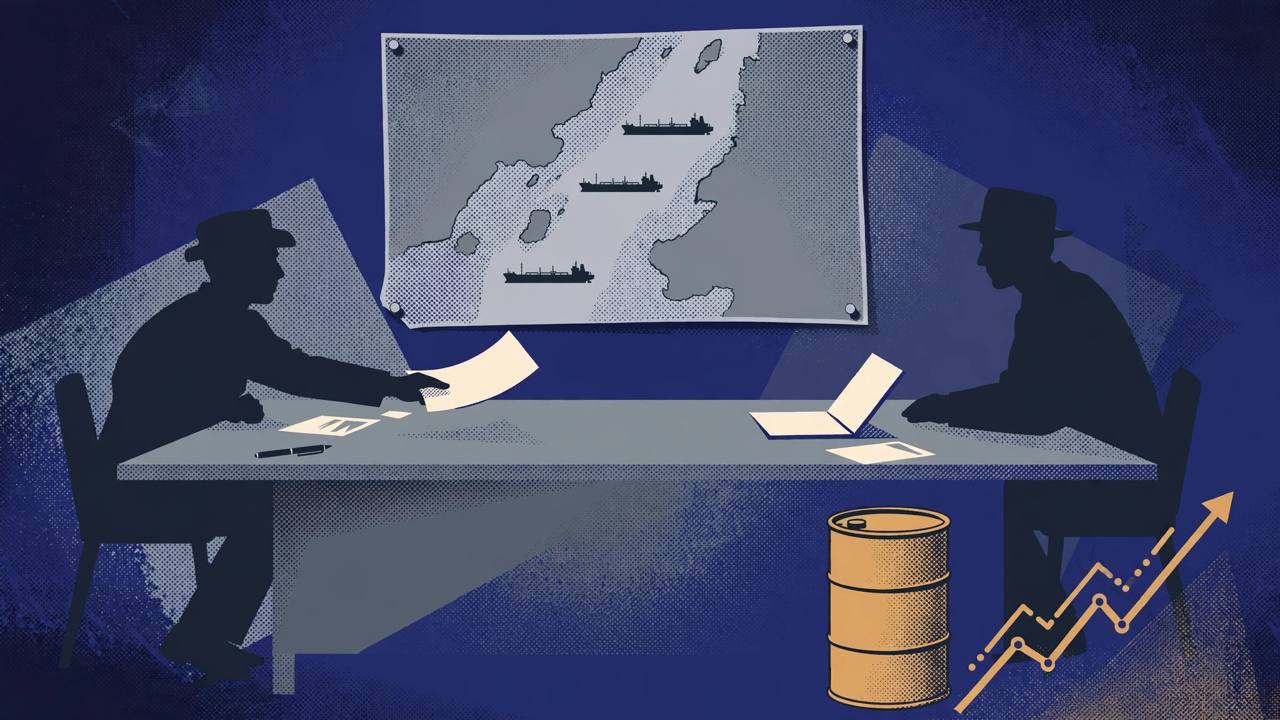
US President Donald Trump said on Friday, November 6, that he is "not satisfied" with Iran's latest peace proposal to end the war, and that he is uncertain whether a deal with Tehran will be reached. Iran delivered the draft proposal to mediator Pakistan on Thursday evening, Iran's IRNA news agency reported, without detailing its contents. An Iranian diplomatic source told Al Jazeera the proposal was submitted to Pakistani mediators on Thursday, and a Pakistani official told Reuters it had been received and forwarded to the United States.
Source: Al Jazeera
"They want to make a deal, I'm not satisfied with it, so we'll see what happens," Trump told reporters, according to Al Jazeera. "They're asking for things I can't agree to." The Economic Times, reporting the same Friday remarks from the AFP wire, quoted him blaming the stalled talks on "tremendous discord" within Iran's leadership and asking: "Do we want to go and just blast the hell out of them and finish them forever — or do we want to try and make a deal?" He said he would "prefer not" to take the first option "on a human basis", while Al Jazeera reported he warned he would "blast them away" if negotiations failed.
Source: Economic Times (AFP) via EximGuru
Friday's rejection is the newest turn in a week of fast-moving mediation: on Thursday Tehran sent Washington a separate nuclear proposal through Qatar, to be discussed only after its seven demands are met, and hours later Trump said after a security meeting that he would 'soon' decide whether to resume all-out war. Read: Iran sends US a nuclear proposal through Qatar
Tehran's answer: open to talks, not to imposed terms
Iranian Foreign Minister Abbas Araghchi said Tehran is open to diplomacy if Washington alters what he described as its "threatening rhetoric" and "expansionist approach", Al Jazeera reported. Iran's judiciary chief Gholamhossein Mohseni Ejei said on Friday that his country had "never shied away from negotiations", but added it would not accept the "imposition" of peace terms while seeking to avoid renewed conflict, AFP reported. Iran has repeatedly warned it is prepared for the war to resume and has threatened strikes on US interests and energy infrastructure in the region.
The White House has declined to provide details of the Iranian proposal. Axios reported that US envoy Steve Witkoff had submitted amendments that put Tehran's nuclear programme back on the negotiating table, including demands that Iran not move enriched uranium from bombed sites or resume activity there during talks, according to the Economic Times report. Trump has repeatedly said any deal must guarantee Iran will not pursue a nuclear weapon; Tehran denies plans to weaponise its programme and insists it is for civilian purposes.
'Hostilities have terminated' — Trump's letter to Congress
On the same Friday, Trump wrote to congressional leaders declaring that hostilities with Iran "have terminated", arguing there has been no exchange of fire between US forces and Iran since April 7, 2026 — even though there has been no change in the US military posture, AFP reported. The letter lands in a legal dispute in Washington: officials argue a ceasefire pauses the 60-day clock after which congressional authorisation for the war would be required, a claim opposition Democrats dispute. Trump imposed a naval blockade of Iranian ports on April 13 to pressure Tehran back to negotiations.
The economic squeeze continues on both sides of the strait. Iran maintains its hold on the Strait of Hormuz, choking major flows of oil, gas and fertiliser, while the United States runs a counter-blockade on Iranian ports. The US military says its blockade has stopped $6 billion (yaani lagbhag 6 arab dollar) in Iranian oil exports, and Washington has imposed new sanctions on three Iranian currency firms and warned others against paying a "toll" for safe passage through Hormuz, AFP reported. Iran's inflation has surged past 50 percent. Supreme Leader Mojtaba Khamenei said in a Friday statement that owners of damaged businesses should avoid layoffs "as much as possible", while threatening Iran's enemies with "economic and cultural jihad". For the lakhs of Punjabi and Indian workers across the Gulf, a frozen conflict with the strait still choked means fuel, food and remittance pressures stay high even without open fighting.
Militarily, the USS Gerald R. Ford aircraft carrier has left the Middle East after taking part in operations against Iran, a US official said on Friday, though two other US carriers remain in the region. Washington also announced late on Friday that it had approved major arms sales to Middle East allies, including a $4 billion (yaani lagbhag 4 arab dollar) Patriot missile deal with Qatar, AFP reported via the Economic Times.
Analyst Sultan Barakat of Hamad Bin Khalifa University told Al Jazeera both sides are eager to end the conflict but in a way that does not make them appear weak: 'Both sides are really desperate to bring an end to this war in a way that allows them to save face.' He noted Tehran has not attacked the US warships enforcing the blockade, instead seeking alternative routes through Pakistan and elsewhere.
What happens next
The contents of Iran's Pakistan-channel proposal have not been disclosed, and no new round of talks has been announced. The ceasefire that began on April 8 still holds, but negotiations have been frozen for weeks since the Islamabad talks in April produced no framework. With Trump publicly rejecting Tehran's newest terms on Friday while also telling Congress the hostilities are over, the next move — a revised proposal, more economic pressure, or the resumed strikes Trump keeps threatening — now sits with Washington and Tehran's rival leadership camps.