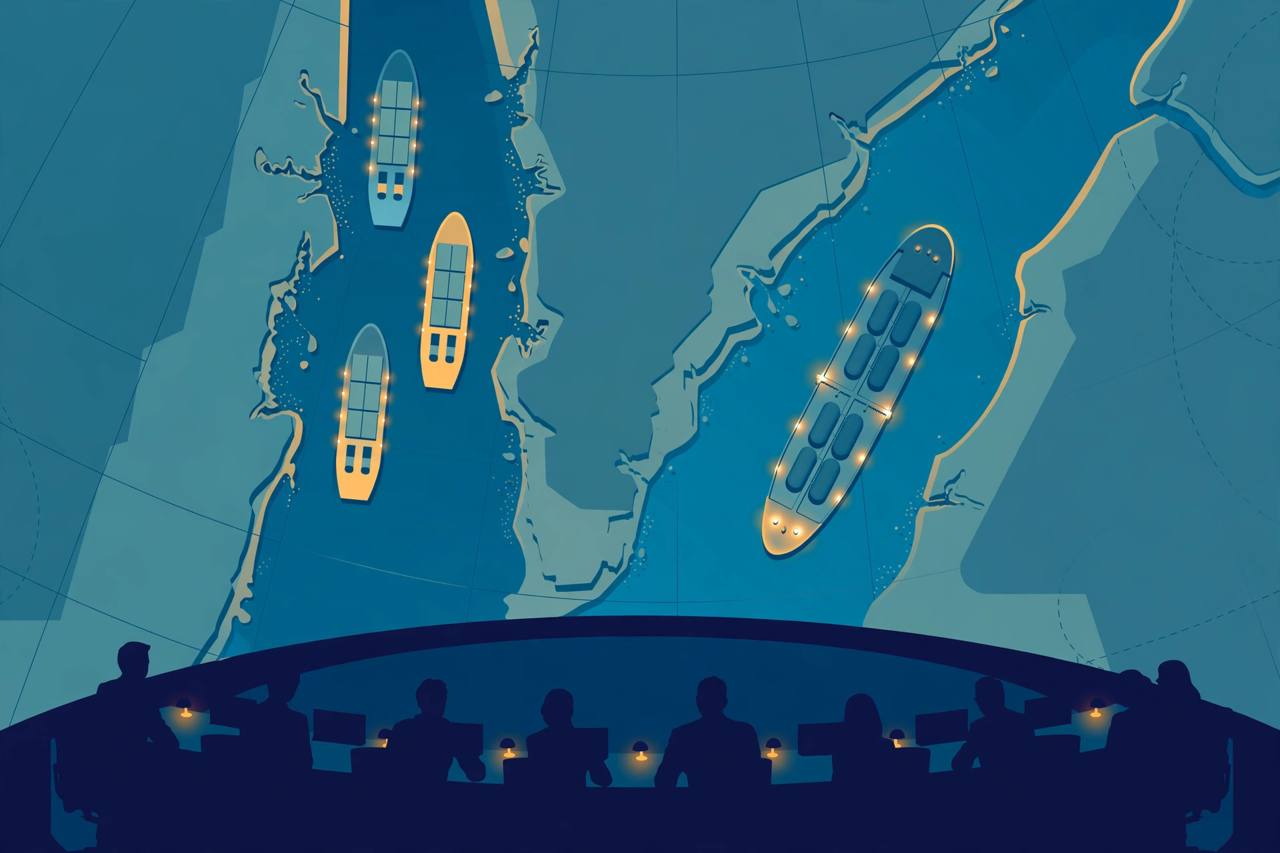
The United Nations Security Council met on Friday afternoon, November 13, at Bahrain's request to discuss escalating tensions in the Gulf region and growing threats to maritime security, the UN's Meetings Coverage service said in its live briefing note.
Source: UN Meetings Coverage and Press Releases, Nov 13, 2026
The briefings were delivered by Gulf Cooperation Council Secretary-General Jasem Mohamed Albudaiwi and United Nations Assistant Secretary-General Mohamed Khaled Khiari, the UN note said. The session comes nearly nine months into the conflict sparked by Israeli and United States strikes on Iran on February 28, followed by Iranian attacks on US military assets and other targets in six Gulf states and Jordan, and Iranian moves to disrupt shipping.
Source: UN Meetings Coverage and Press Releases, Nov 13, 2026
Two straits, one squeeze
Iran has all but closed the Strait of Hormuz, and transit volumes through it remain about 65 per cent below pre-conflict levels, according to UK Maritime Trade Operations figures reported in Traders Union's summary of UN News reporting. October recorded the highest number of incidents since the war began, the summary said.
Source: Traders Union summary of UN News reporting, Nov 13, 2026
Pressure is extending beyond Hormuz: transits through the Bab al-Mandab Strait, the Red Sea entrance past Yemen, are down by roughly a quarter since the Houthis declared a blockade on Saudi-linked shipping in July, adding to the strain on trade routes and energy transport across the region, the summary said.
Source: Traders Union summary of UN News reporting, Nov 13, 2026
In his briefing, Khiari reiterated concern and condemnation over Houthi attacks on Saudi civilian and energy infrastructure and called for freedom of navigation and diplomacy, according to UN News reporting summarised by Yemen Monitor. What is confirmed is the briefing and its warnings; the UN report's cumulative figures are not a new incident toll for Friday.
Source: Yemen Monitor monitoring summary, Nov 13, 2026
Background: a lapsed ceasefire and a divided council
The meeting follows months of failed efforts to secure a broader settlement after a 60-day US-Iran ceasefire, mediated by Pakistan in June, lapsed in August without a peace deal, Traders Union's summary said. In March, the council adopted Resolution 2817 condemning Iran's attacks and threats to navigation, while China and Russia abstained — a split the summary said highlights continued divisions over how to respond.
Source: Traders Union summary of UN News reporting, Nov 13, 2026
Hormuz carried about a fifth of the world's oil before the war, and the Gulf states on both sides of Friday's discussion are home to lakhs of Punjabi and Indian workers whose jobs, flights and remittances track the region's security and oil economy. A second chokepoint — Bab al-Mandab — under pressure at the same time is what turns a regional war into a global trade problem, which is why Bahrain asked for the council to meet.
What happens next
No new resolution from Friday's session was reported in the UN briefing note or the summaries available at publication. What to watch: whether the council follows the briefing with a formal statement or resolution, whether Hormuz transit volumes recover from the roughly 65 percent shortfall, and whether the Houthi blockade declared in July tightens or eases Bab al-Mandab traffic — the two numbers that will show whether Friday's warnings changed anything at sea.