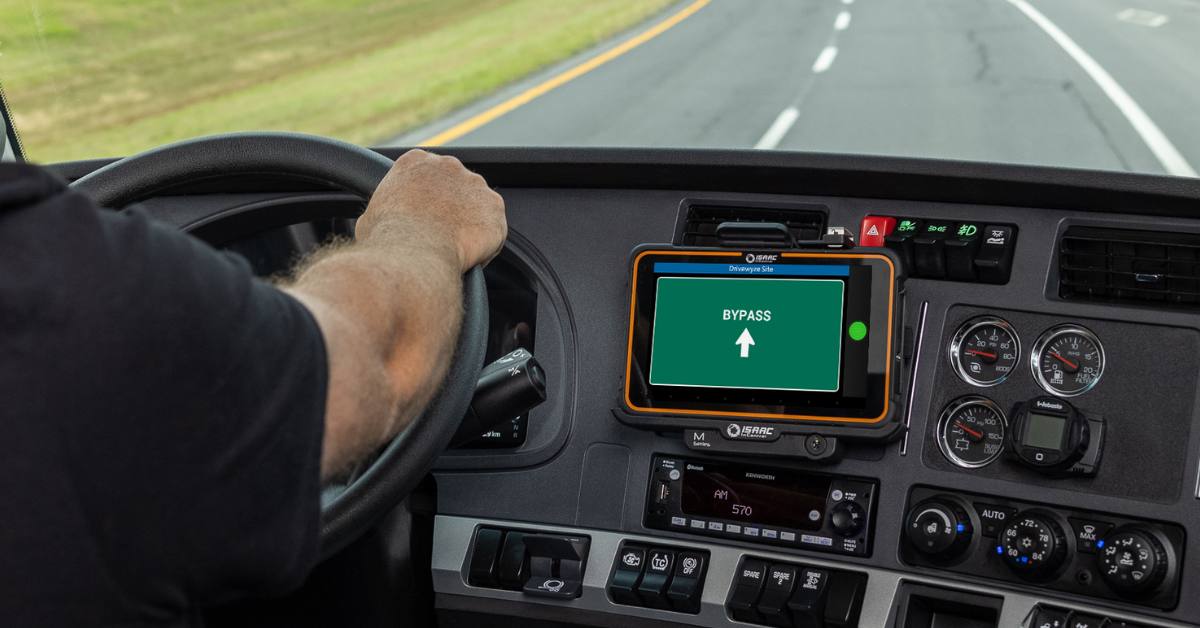
The American Trucking Associations (ATA) on Monday, November 16 released a 12-page report proposing six steps to combat fraud in electronic logging devices (ELDs) — the in-cab systems most commercial truck drivers have been required to use to record their hours of service since the federal ELD mandate took full effect in late 2019. The report, 'The Road to ELD Certification: Recommendations of ATA's Working Group on ELD Fraud,' calls for an end to the current system in which ELD makers largely certify their own devices, and for independent, third-party certification instead.
Source: Transport Topics, reporting ATA's report
Why ATA acted now
The report comes days after the Federal Motor Carrier Safety Administration (FMCSA) removed 133 devices from its registry of approved ELDs in the largest batch ever stricken from the list, and after FMCSA overhauled how it vets devices seeking a place on the registry and monitors devices already on the market. Fleets cited for ELD tampering have a 56% higher crash rate, according to the Commercial Vehicle Safety Alliance (CVSA), a figure ATA cited in releasing the report. The working group behind it was established after ATA's Safety Policy Committee voted in October 2025 to support stronger measures for ELD integrity, including third-party certification.
The six recommendations
First, ATA wants FMCSA to run automated checks on electronic records of duty status for common signs of fraud — out-of-sequence file numbers, impossible distances and driver information manipulation — followed by human review of flagged records. Second, companies registering ELDs should be required to have a verified U.S. footprint, so FMCSA and law enforcement can hold a provider accountable when noncompliance or fraud is found. Third, FMCSA should build a formal, properly staffed process for receiving, tracking and resolving fraud reports, particularly those coming from law enforcement.
Source: Truckers News, reporting ATA's recommendations
Fourth, ATA proposes an independent certification program: FMCSA would keep authority over technical standards, regulatory interpretation, investigations and enforcement, while qualified independent organizations do the specialised technical work of certification — a model closer to Canada's third-party system. Fifth, certification must mean sustained compliance, with regular reviews of devices already certified rather than a one-time approval. Sixth, FMCSA should regularly review and update the ELD technical requirements themselves, so the rules keep pace with new forms of fraud.
What ATA's leaders said
Henry Hanscom, ATA's chief advocacy and public affairs officer, praised FMCSA for its 'proactive efforts to strengthen vetting procedures, enhance oversight, and identify and remove bad actors from the industry, while remaining responsive to concerns raised by legitimate industry stakeholders.' He added: 'Those efforts have created important momentum. ATA's recommendations provide a roadmap to continue that progress by making fraud harder to commit and easier to detect and shut down. A strong, sustainable certification system will protect responsible carriers, support law enforcement, and, most importantly, make our highways safer.'
Kevin Grove, ATA's director of safety and technology policy, said: 'No system will eliminate every attempt at fraud, but we can make cheating significantly more difficult and costly. FMCSA has already demonstrated its commitment to meeting this challenge. The next step is to give the agency a stronger, lasting framework to protect the integrity of ELDs and hours-of-service compliance. ATA is committed to being a constructive partner in this ongoing effort.'
The ask to Congress — and a parallel bill
ATA is also urging Congress to dedicate additional staff and financial resources to FMCSA, noting the agency's limited resources may hinder its ability to carry out the recommendations. In Congress, the GHOSTRUCK Act (H.R. 9369), backed by Reps. Dave Taylor of Ohio and Greg Steube of Florida, would allow only authorised individuals physically located in North America to edit or annotate ELD records, with driver approval. Steube said: 'Foreign dispatchers should not be able to manipulate trucking safety records from halfway around the world and put American lives at risk,' adding that reports have exposed overseas actors falsifying driver logs and overworking truckers beyond safe limits.
Nothing in ATA's report changes the law today. ELD self-certification remains the current system, the six steps are recommendations to FMCSA and Congress, and any independent certification system would need FMCSA rulemaking — ATA recommends the agency issue a notice of proposed rulemaking as soon as practical. Drivers should keep using a device that is on FMCSA's current registered list.
For Punjabi and other diaspora drivers and owner-operators, ELDs are not an abstract policy file: the device in the cab decides legal driving time every day, a revoked device can force an urgent replacement, and log fraud by competitors who falsify hours undercuts both safety and rates for carriers who follow the rules. A certification system that removes bad devices before they reach the cab — and keeps checking them afterwards — is the change ATA says would protect responsible carriers most.
What happens next: FMCSA has not announced a rulemaking timetable in the coverage reviewed for this story, and ATA proposed no deadline by which all ELDs would have to be independently certified. Watch for an FMCSA response, any notice of proposed rulemaking, congressional funding decisions for the agency, and the forthcoming CVSA findings ATA said will detail the tampering evidence behind the report.