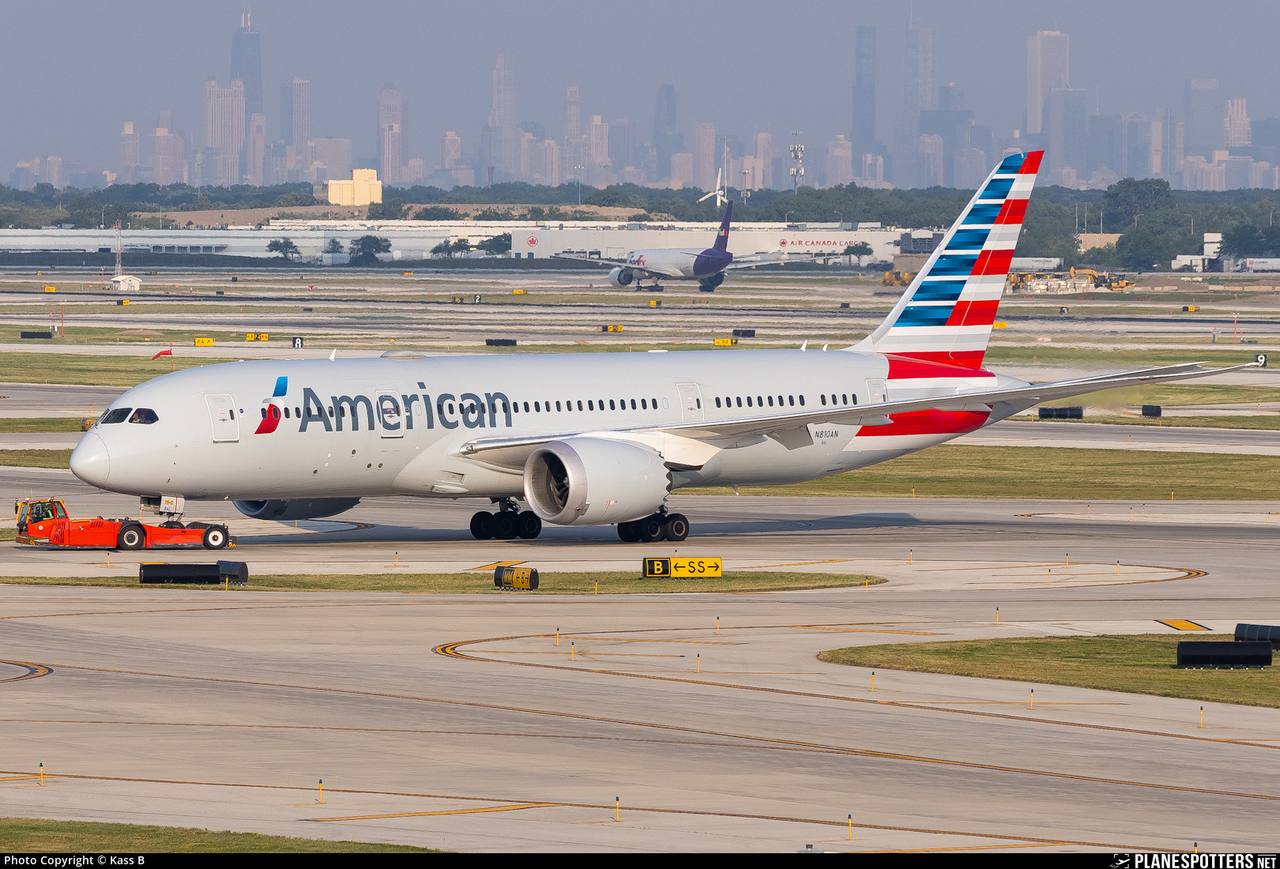
American Airlines is dropping its lawsuit against the City of Chicago over gate space at O'Hare International Airport, ending a bitter fight with United Airlines over one of the busiest airports in the United States. The airline has asked a court to dismiss the entire case with prejudice, including its claim for money damages — a move that, once approved, closes the door on American ever returning to collect damages over the 2025 gate redistribution.
Source: View From The Wing
What American filed
American told the aviation publication View From The Wing that it has filed to dismiss the underlying contract case after losing its appeal to block the gate changes. Chicago and United do not object to the dismissal, and each side would bear its own costs and legal fees. In a statement, American said: “We stand by our decision to advocate for a fair process, and today, we believe the best way to continue delivering on that commitment is to look ahead.” The Chicago Tribune also reported that American plans to dismiss the suit.
A fight over the 2018 lease
The dispute goes back to the 2018 Airline Use and Lease Agreement, the contract Chicago signs with each airline at O'Hare. In 2025 the city began a reallocation of gate space that shifted gates to United, which was gaining space freed up when Delta moved to Terminal 5. American argued the lease barred a new reallocation before 2027, because its last additional gate became operational on March 14, 2025, starting a 12-month ramp-up period of protection.
American sued the city for breach of contract and sought a preliminary injunction to halt the shift. After a seven-day hearing, Cook County Circuit Court Judge Thaddeus L. Wilson denied the injunction. On November 19, the Illinois Appellate Court (First District) affirmed that ruling, finding that blocking the gate changes would cause significant disruption to travellers and airport operations that outweighed the potential harm to American's business.
Why American walked away anyway
American's position at O'Hare is far stronger than when it sued. Two subsequent gate redeterminations have increased its allocation, and it bought two gates from Spirit Airlines — G8 and G10 — for $30 million. The airline now runs more than 500 daily departures to more than 185 destinations from Chicago, its third-largest hub, with nearly 10,000 employees. Its spring 2026 schedule calls for 30% more departures than spring 2025, and it has added more than 30 new destinations since the start of 2025.
United, meanwhile, had tried to push American out. Chief executive Scott Kirby talked up American's losses and pressed financial analysts to push for a retreat, and United filed extra flying to stop American improving its gate position — even though it did not independently want all that extra capacity. The Federal Aviation Administration concluded the airport could not handle all the schedules the airlines had filed.
American is also investing in the airport: a new Admirals Club in the L concourse, more than 10,000 square feet, will double its current lounge footprint, and Margaret Mueller, former head of the Executives' Club of Chicago, joins as vice president and managing partner for the market on November 30.
Once the court approves the dismissal with prejudice, American cannot revive its damages claim over the 2025 redistribution. For travellers, the practical effect is stability at O'Hare heading into the Thanksgiving rush: the airport already saw an FAA ground stop on November 23 over air-traffic staffing, and a settled gate fight removes one more source of disruption at the start of the busiest travel week of the year.