New York City Mayor Zohran Mamdani announced on Friday, November 13, that the U.S. Department of Agriculture (USDA) will delay enforcement of its new SNAP retailer stocking rule by at least 90 days, after direct conversations between the mayor, President Donald Trump and Agriculture Secretary Brooke Rollins. The pause begins Friday and applies to stores across the United States, not only in New York.
Source: Civil Eats
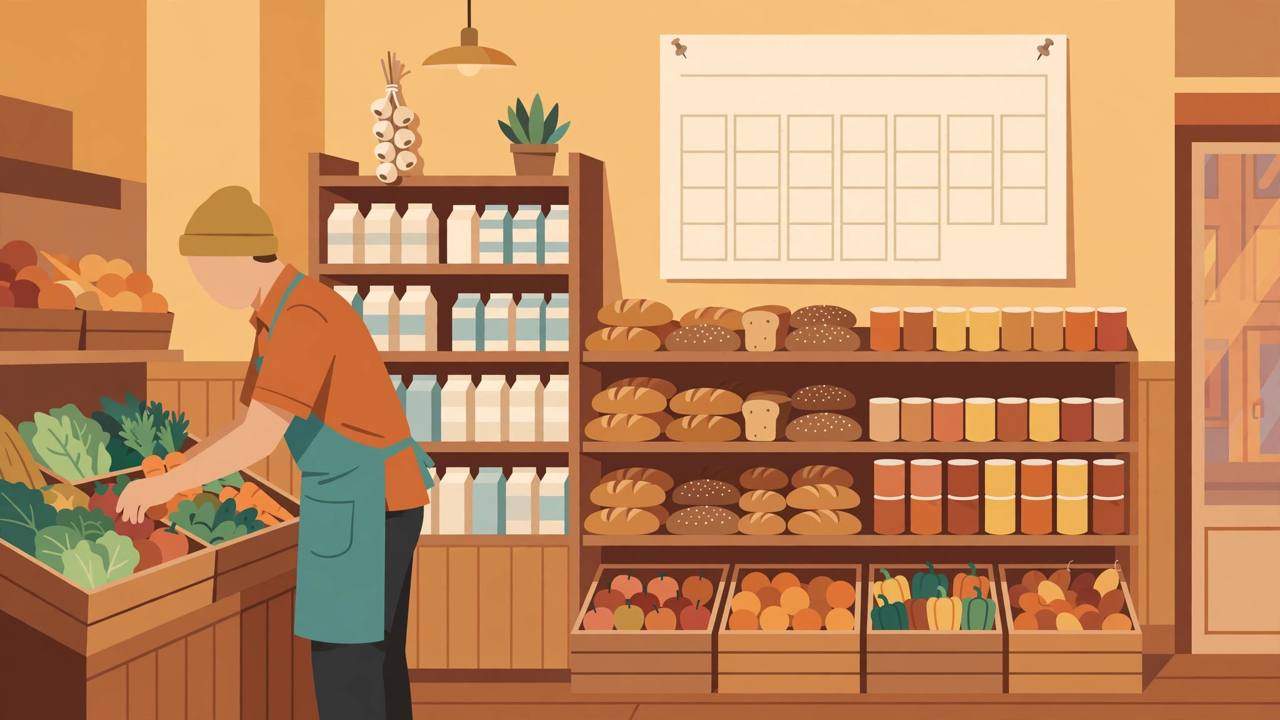
The rule sets what a shop must keep on its shelves to stay authorized to accept Supplemental Nutrition Assistance Program (SNAP) benefits, the federal food assistance that millions of low-income families spend at neighbourhood stores. Under the new standard, a SNAP retailer must stock at least seven varieties of food in each of four staple categories — dairy, grains, protein, and fruits and vegetables — and must offer perishable items in at least three of those categories. The previous standard was three varieties per category, so the rule roughly doubles what a small store must carry.
Source: The Guardian, via Washington Sun
The rule itself went into effect on November 4, which left small retailers only a short window to change what they stock before facing enforcement. Mamdani had written to Secretary Rollins last week asking for a six-month postponement, warning that bodega owners had not been given enough time to comply. Friday's announcement gives them at least 90 days instead — pushing the practical compliance deadline into mid-February 2027.
"For corporate grocery giants these requirements posed little challenge, but the story was different for our neighborhood corner stores and bodegas," Mamdani said at a Friday afternoon press conference, adding that SNAP purchases are crucial to bodegas' survival. The mayor said he called the president after learning the guidance could have stopped tens of thousands of small grocery stores from accepting food benefits.
Source: Civil Eats
Why small stores said they could not comply in time
The stakes are highest for the smallest shops. Mamdani said SNAP purchases account for 15% to 20% of store sales at some bodegas, with even higher shares in the Bronx and other low-income neighbourhoods. New York City alone has more than 10,000 bodegas and corner stores, and the mayor's office said local agencies will now work with the USDA on outreach and resources so owners can secure the goods and storage equipment — including refrigeration for the new perishable requirements — needed to comply.
Source: The Best Times
The White House confirmed the temporary reprieve. The Trump administration says the stocking rules are aimed at improving access to more nutritious food, describing the delay as giving retailers accepting SNAP "90 additional days to comply with staple food stocking requirements, making sure families have access to more dairy, fruits, vegetables, grains, and protein." The delay pauses enforcement; it does not withdraw the rule.
Source: The Best Times
What changes on the shelf
Beyond the variety counts, the rule changes which products count toward a store's stocking requirement. Some items — including beef jerky, snack bars and fruit spreads — will no longer count toward the staple-food totals, the USDA has said, although SNAP customers will still be able to buy those items with their benefits. Stores must also carry perishable foods in several of the four categories, a change that can require new cold storage in shops with very little floor space.
Corner stores and bodegas are the food infrastructure of low-income neighbourhoods in cities across the United States, and a large share are immigrant-run family businesses — including South Asian and Punjabi shopkeepers in New York and other diaspora hubs. Losing SNAP authorization would not only cut a store's revenue; it would remove the nearest place many families can spend food benefits. The 90-day pause gives those shops a realistic window to restock, add refrigeration and keep serving SNAP customers.
What happens next: retailers now have at least 90 days from November 13 to meet the stocking standard before enforcement begins, and New York City agencies say they will help store owners through the process with the USDA. Mamdani framed Friday's deal as a quick fix for an impossibly short federal deadline and said broader questions around SNAP availability are still being negotiated with the administration. Store owners who cannot meet the standard by the new deadline would risk losing their SNAP authorization.