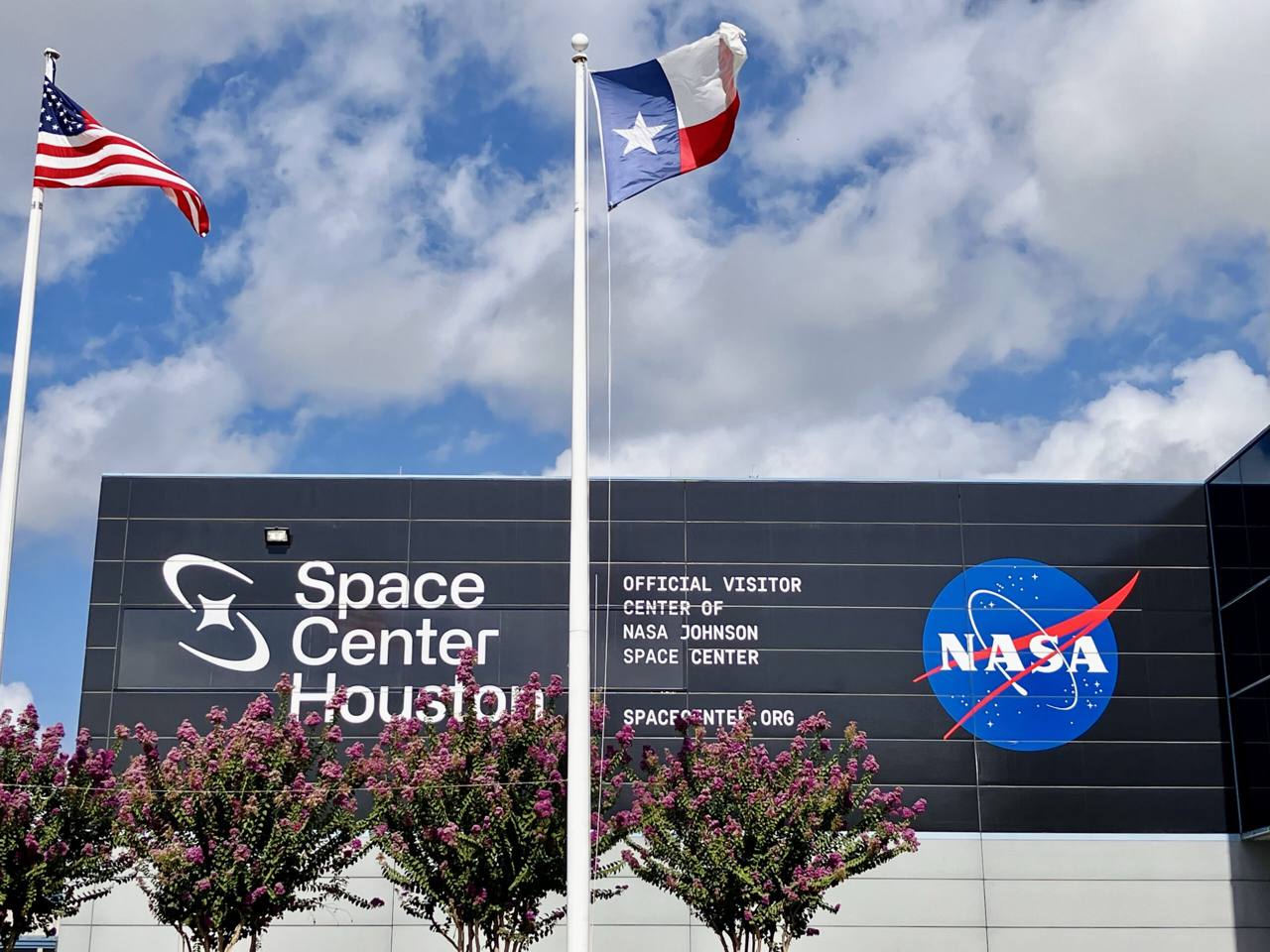
HOUSTON — Texas has formally proposed Houston as the home of the proposed United States Space Academy, pitching NASA's Johnson Space Center and the city's six decades of human spaceflight history as the natural base for the new national institution. The Texas Space Commission announced the proposal on Friday.
The proposal, submitted to NASA in response to the agency's request for information, would combine technical education and leadership development with training linked to space missions and related industries. It points to Johnson Space Center — home to Mission Control and the astronaut corps — along with the Texas A&M University Space Institute and the Houston Spaceport at Ellington Airport as the anchors of a Houston campus.
Why Houston, in Texas' pitch
State officials say Houston's case rests on more than 60 years of human spaceflight experience. The Houston region is home to more than 500 aerospace and aviation organisations, and Texas has 16 Tier One research universities, according to the Texas Space Commission. The proposal draws on academic strength from the Texas A&M University System, the Texas Tech University System, the University of Houston System, the University of Texas System and Rice University.
Who is behind the bid
Governor Greg Abbott appointed the leadership team behind the proposal, chaired by State Representative Greg Bonnen, a medical doctor who chairs the House Appropriations Committee. The team also includes Texas Space Commission board directors, members of the Texas Aerospace Research and Space Economy Consortium, former and current NASA and U.S. military personnel, and industry leaders.
"Houston makes the most sense as the location for this incredible learning ecosystem to teach and train our next generation of spacefaring Americans," Bonnen said. "Texas offers NASA the opportunity to educate students where human spaceflight is practiced every day."
A bipartisan push
The bid now has backing from both parties. Republican Senator Ted Cruz said on Saturday that he spoke with Democratic Senator-elect James Talarico for about 30 minutes on Friday and that the two agreed to work together to bring the academy to Texas. Cruz, appearing on Fox News, said a bipartisan push would make Texas' bid "really powerful" and described Talarico as enthusiastic about the effort.
Talarico, who defeated Ken Paxton in this month's Senate race, would take office in January. Governor-elect Gina Hinojosa has also pledged to carry the effort forward once she takes office, saying she fully supports establishing the academy in Texas "to prepare future generations for interstellar travel through rigorous education, world-class training, and commitment to public service."
What the academy would be
The academy concept was established by President Donald Trump's executive order of August 28, 2026, which created a Presidential Commission to recommend how to establish the proposed NASA-led federal institution. NASA asked states to respond to its request for information by November 16, and 25 states submitted proposals, according to NASA Deputy Administrator Matt Anderson.
Under the plan Texas submitted, students would pair classroom and laboratory instruction with supervised research and team projects in spacecraft engineering, robotics and mission operations, preparing them for careers in the civil, commercial and national-security space sectors. NASA's stated objectives call for breaking ground no later than 2027, beginning instruction for 300 students in 2028, and moving to a permanent campus by 2031.
The presidential commission is chaired by NASA Administrator Jared Isaacman, with Michael Kratsios, the president's science and technology adviser, and Kevin Hassett, the president's economic policy adviser, serving as vice chairs. The commission is due to meet again on Monday as it prepares its recommendation to the president on December 26.
The competition
Texas faces 24 other contenders, including Florida and Ohio, in the race to host the academy. Pennsylvania has pitched a site beside Pittsburgh International Airport, and Colorado has proposed Colorado Springs as the academy's home.
Pennsylvania's bid, reported earlier, proposes 300 acres and $285 million beside Pittsburgh's airport, with a 2031 opening. Read: Pennsylvania's Space Academy bid
For now, nothing is decided. The request for information does not select a site or award funding, and the commission stressed that Texas' participation would depend on federal selection and subsequent authorisations, funding, approvals and agreements.
What happens next
The presidential commission's recommendation to President Trump is expected on December 26. Bonnen said he looks forward to the decision before the Texas Legislature convenes in January, when state lawmakers would take up any funding or measures the project needs.
Houston is home to one of the largest South Asian and Punjabi communities in the United States, and to one of the country's busiest energy and logistics corridors. If the academy lands here, it would add a new high-skill training pipeline — in spacecraft engineering, robotics and mission operations — alongside the jobs the region already draws from energy, medicine and the ports. But the academy is still only a proposal: no site has been selected and no funding awarded.