Workers rejected the wage board's Tk17,000 minimum wage the day it was announced — this is what has happened since. Read the wage decision
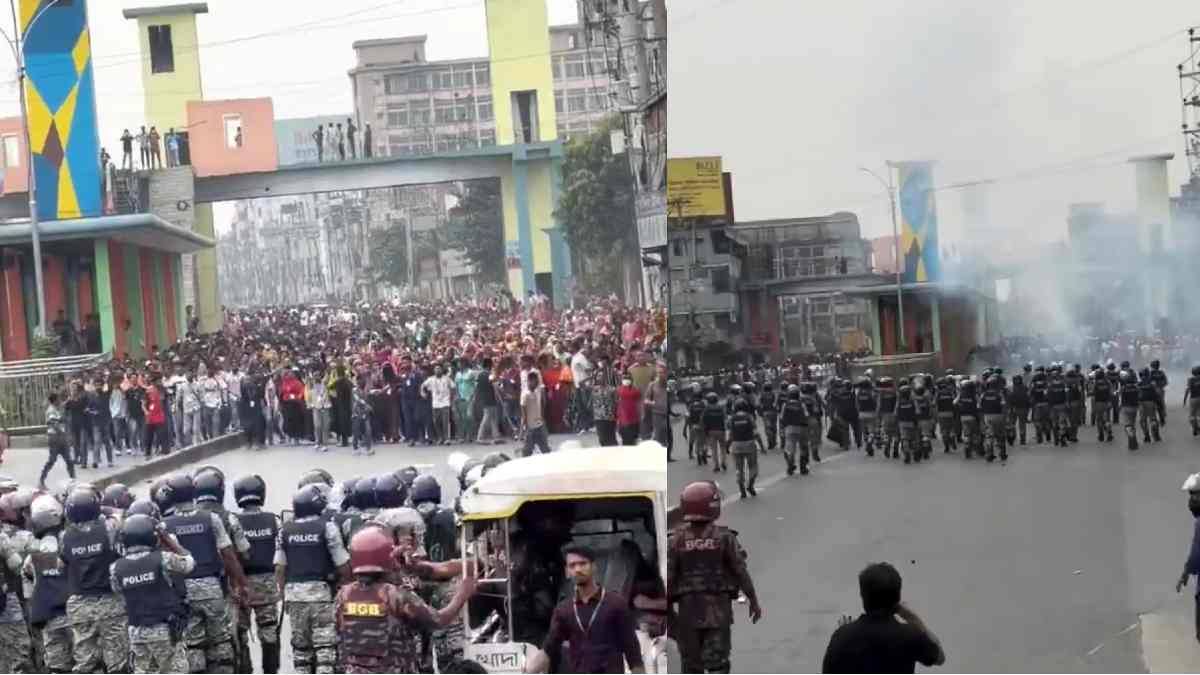
DHAKA — Garment workers in Bangladesh clashed with police for a second day on Thursday, November 26, after rejecting the government's new minimum wage as far too low, blocking highways in the Gazipur industrial belt near Dhaka as police fired tear gas and sound grenades to disperse them.
The unrest followed the Bangladesh Wage Board's decision on Wednesday to raise the sector's minimum monthly wage by 36%, from Tk12,500 to Tk17,000 — about $137. The board reached the decision by a 4–2 vote after about 12 hours of talks. Workers have demanded Tk30,000 a month, about $241, nearly double the approved figure, saying the raise does not cover rising food, housing, transport and healthcare costs.
Source: IBC Global Times
Protesters blocked the Dhaka–Tangail highway and the Dhaka–Mymensingh highway in Gazipur, hurling bricks and torching vehicles, according to reports. Police said the clashes were mostly confined to two areas and the situation was under control, but factories across the belt stayed shut.
At least 320 factories remained shut on Thursday, according to reports, and the Bangladesh Garment Manufacturers and Exporters Association (BGMEA) said 173 factories, mostly in Gazipur, had announced temporary closures because of the unrest. The association put production losses at about $428 million — yaani 42.8 crore dollars — and said buyers have moved orders worth around $254 million, yaani 25.4 crore dollars, to other countries.
Source: The Left Views
Two workers dead, union leaders arrested
Two workers have died during the unrest. Toufiq Sheikh, 21, a garment worker in Gazipur, was attacked by people linked to a factory while filming an assault on demonstrators, according to reports. Mohammad Selim, 23, a worker in Savar, died after spending 12 days in hospital following critical injuries.
Prime Minister Tarique Rahman has responded to the protests in part by arresting and intimidating labour organisers, according to reports. Leaders of the Green Bangla Garment Workers Federation were detained after taking part in an international webinar on wage demands, and other detained union figures include Mostafa Kamal, vice president of the Bangladesh Garments Trade Union Federation, and organiser Rozina Akter Sumi. Amnesty International South Asia said the crackdown "raises concerns about the targeting of workers for exercising their rights to freedom of peaceful assembly, freedom of association, and collective bargaining."
Source: Maktoob Media
Authorities have deployed 18 platoons of the Border Guard Bangladesh across the industrial areas of Savar, Ashulia and Gazipur, using drones and body-worn cameras to monitor demonstrations. Labour Minister Ariful Haque Chowdhury urged workers to hold dialogue before taking to the streets and to help keep the industry competitive. The BGMEA and the Bangladesh Knitwear Manufacturers and Exporters Association called in a joint statement for wage negotiations to resume as soon as possible.
The wage board's figure is provisional and must pass through an objection period before being formally published in the Labour Ministry's gazette. Under a four-grade structure, monthly pay would range from Tk17,000 at the lowest grade to Tk21,500 at the highest. The revised wages apply from December 1, with workers due to receive the higher pay in January.
Bangladesh is the world's second-biggest garment exporter, earning about $38 billion a year and employing more than four million people. A wage fight that shuts hundreds of factories and pushes orders abroad hits the country's biggest export industry — and the workers who stitch clothes for global brands including Fruit of the Loom and Levi Strauss.
What is solid
- The wage board approved Tk17,000 on November 25 by a 4–2 vote; workers demand Tk30,000.
- At least 320 factories remained shut on November 26–27 and two workers have died in the unrest.
- BGMEA estimates production losses of about $428 million.
What is only claimed
- Reports differ on how many factories are shut — figures range from 173 announced closures in Gazipur to about 320 still shut and about 500 shut at the peak — because counts cover different areas and days.
- The government says the clashes are under control; workers and unions say the crackdown targets lawful protest.