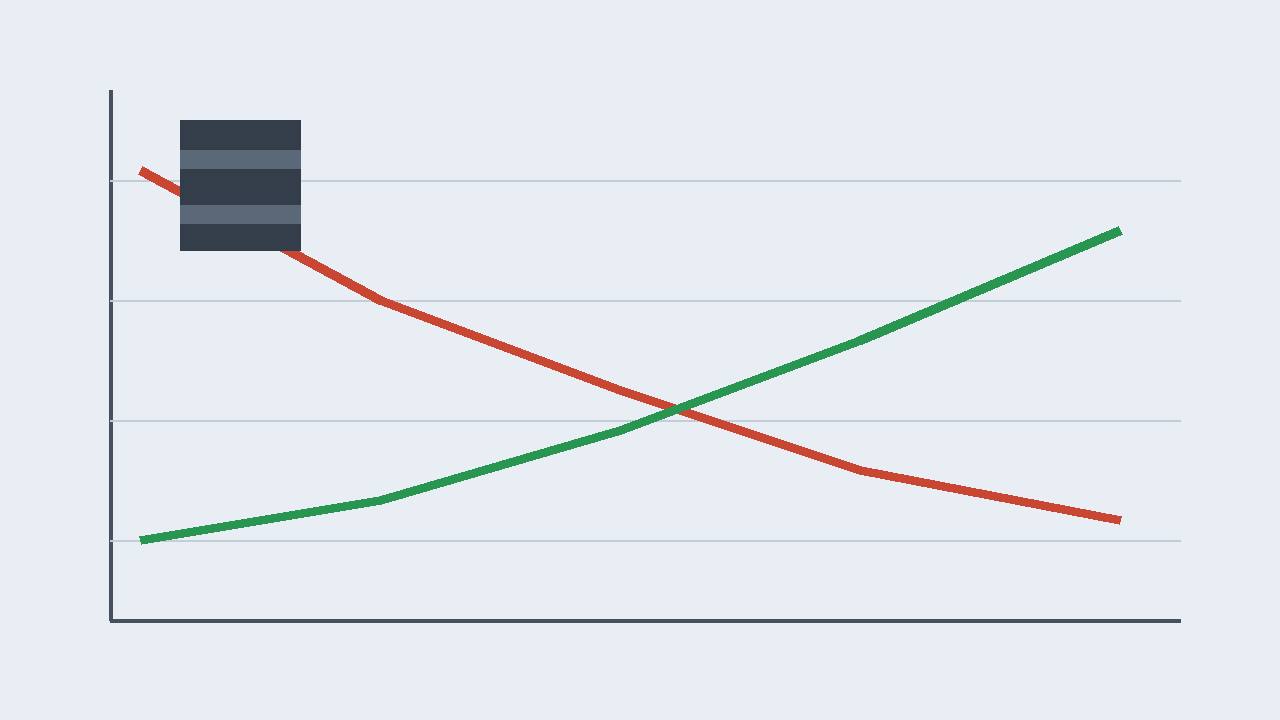
Asian stocks rose on Tuesday and oil prices fell to their lowest levels since early September, after US President Donald Trump said he plans to hold off on new military strikes against Iran, Reuters reported from Singapore. Brent crude futures were last down 1% at $91.56 a barrel, well below $100, as investors pinned their hopes on possible talks between the United States and Iran.
Source: Reuters, via Global Banking & Finance Review
Front-month West Texas Intermediate futures were down 0.9% at $86.08 a barrel in early Asian trading, after falling below $90 overnight, Dow Jones Newswires reported via Morningstar, with Brent 0.7% lower at $91.92 in that snapshot — slightly different prices from different moments in the same falling session, both reported here with their sources rather than merged.
Source: Dow Jones Newswires, via Morningstar
Stocks climb as the oil fear drains out
South Korea's KOSPI rose over 5% and Japan's Nikkei gained about 3% in early trading, while MSCI's broadest index of Asia-Pacific shares pushed 1.5% higher, moving away from the seven-month low it hit last week, Reuters said. On Monday, the S&P 500 clocked its biggest one-day jump since April, closing up 2.35%, while the Nasdaq closed 2.7% higher, its best day in over four months. Brent had settled down 5.85% in the previous session after sliding to its lowest since August 31, and has retreated about 22% from the six-month high of $118 it touched on October 30, as fears eased that Trump might step up attacks on Iran after the US midterms.
Source: Reuters, via Dev Discourse
Monday's fall, when Brent dropped towards $94 as Qatar mediation and Hormuz proposals moved markets, was reported by Awaaz Punjab on Monday. Read: Brent falls towards $94 on Qatar-Hormuz proposal and Trump comments
The US-Israeli war with Iran, which erupted at the end of February, has stoked inflationary concerns across the globe, spurring major central banks to raise rates in recent months, Reuters noted. The slump in oil prices eased those inflation worries and helped lift stocks after last week's rout, when a sweeping victory by Democrats in the US midterm elections fed concerns that new regulations could dent the durability of the AI trade.
Source: Reuters, via Dev Discourse
Investors were also waiting for US inflation data due on Tuesday that could sway the near-term interest-rate outlook. Economists polled ahead of the release expected headline prices to rise 0.3% in October and core prices, excluding food and energy, to increase 0.2% — forecasts reported by Reuters, not confirmed readings.
Source: Reuters, via Global Banking & Finance Review
The rally rests on hopes of US-Iran talks, not a signed deal: Iran's leadership has publicly rejected Washington's account of momentum, and any new strike or Hormuz incident could reverse the oil fall within a session. Tuesday's US inflation print is the next scheduled test.
What is solid
- Brent was last down 1% at $91.56 a barrel on Tuesday, its lowest since early September, after Trump said he plans to hold off on new strikes on Iran (Reuters).
- KOSPI rose over 5%, the Nikkei about 3% and MSCI Asia-Pacific 1.5% in early Tuesday trade (Reuters).
- The S&P 500 rose 2.35% on Monday, its biggest one-day jump since April, and the Nasdaq rose 2.7% (Reuters).
What is only claimed
- Price snapshots differ by moment: Reuters put Brent at $91.56 down 1%, while Dow Jones put Brent at $91.92 down 0.7% and WTI at $86.08 in early Asian trade — both are reported with sources, not averaged.
- The market move is driven by hopes of talks; no US-Iran agreement has been announced, and Tehran has disputed Washington's optimistic account.