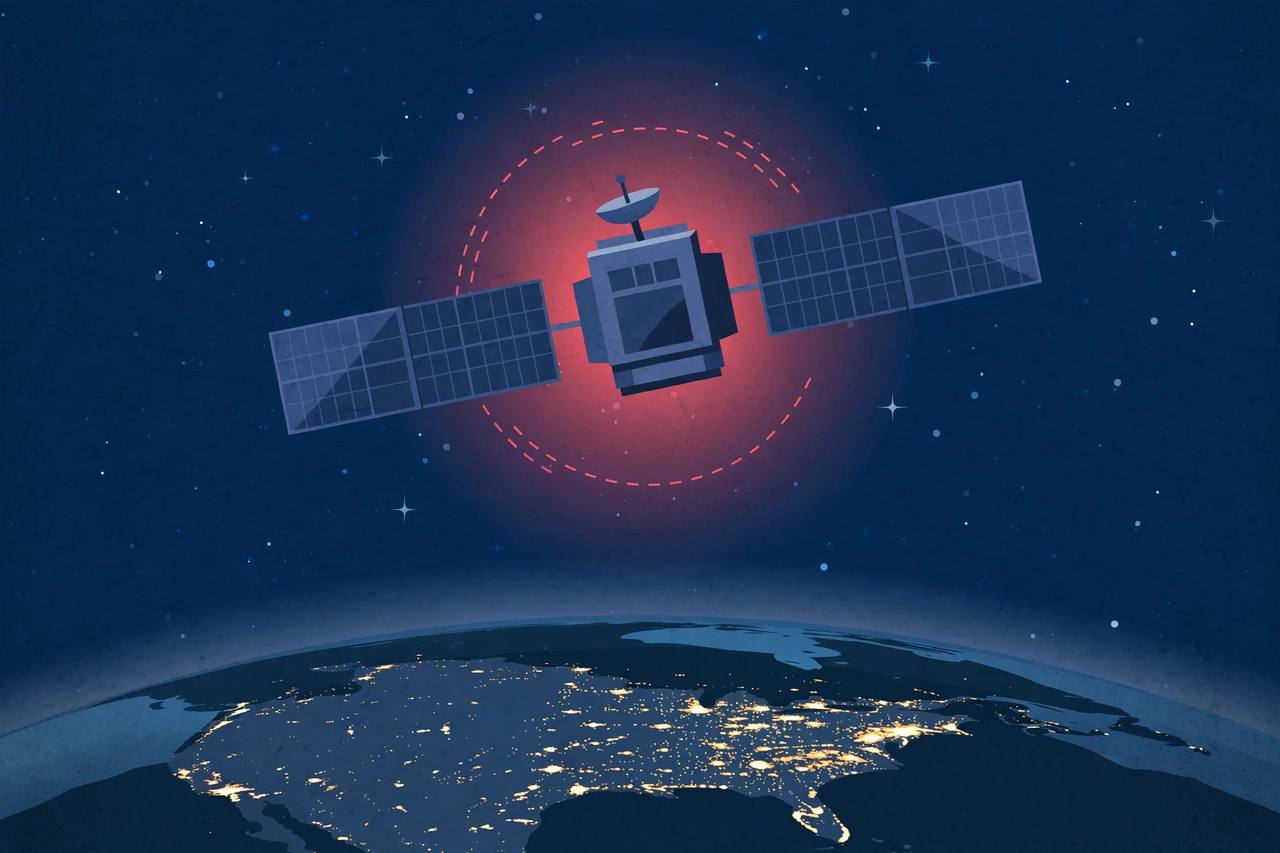
NATO members' intelligence services have concluded that Russia plans to launch a satellite armed with a nuclear weapon into space this year, German media reported on Monday, in a warning that has set off alarm across the alliance.
Source: Reuters
The satellite, named Sputnik-S, was assembled several years ago and is stored in the Moscow region, according to the report by German broadcasters NDR and WDR and the newspaper Süddeutsche Zeitung. Western intelligence services, including Germany's BND foreign intelligence service and the armed forces, have exchanged intelligence on the programme.
US officials have alleged for years that Russia has been developing a nuclear weapon capable of destroying entire satellite networks, such as SpaceX's vast Starlink internet system that Ukrainian troops have been using. A nuclear explosion in space would not hit a single target — it would send out a blast of radiation and an electromagnetic pulse that could cripple satellites across wide areas of orbit.
What a blast in orbit could do
US Space Command has estimated that roughly one-third of low-Earth-orbit satellites could be disabled within hours or days of such a detonation, according to reporting on the assessments. German military officials have warned that a blast in space could also cause widespread power outages and severe losses of communications, navigation and banking services on the ground.
In Berlin, the warning has already reached the top of the government. Bundeswehr experts have briefed politicians, including Defence Minister Boris Pistorius, on the intelligence, according to Süddeutsche Zeitung. The German defence ministry said it monitors global space developments continuously and declined to say more, citing confidentiality.
Russia has rejected the claims. The Russian Embassy in Berlin called the allegations unfounded, according to Süddeutsche Zeitung. Reuters reported that the embassy, Germany's BND and NATO headquarters in Brussels did not immediately respond to requests for comment. In 2024, Russia denied US assertions that it was developing a weapon that could destroy enemy satellites by setting off a nuclear explosion in space.
A treaty line at stake
Putting a nuclear weapon in orbit would violate the 1967 Outer Space Treaty, which bans nuclear arms in space. Russia in 2024 vetoed a United Nations move to prohibit weapons of mass destruction in orbit, a step that now looks very different in light of the new intelligence.
The warning lands in an already tense week for NATO: alliance ambassadors are meeting in Brussels on Monday after Russian missiles landed in Poland last week. NATO meets after Russian missiles land in Poland
No launch date has been confirmed, and it remains unclear whether Sputnik-S will actually be launched. Some reporting suggests a launch could come as early as December, but the intelligence conclusion is about intent and readiness, not a fixed timetable. European capitals are now pressing for expanded space defences, and the alerts have deepened calls for the alliance to treat orbit as a front line, not a safe distance.
What is solid
- NATO intelligence services have concluded Russia plans a nuclear-armed satellite launch this year, as reported by NDR, WDR and Süddeutsche Zeitung
- The satellite is named Sputnik-S, was assembled years ago and is stored near Moscow
- The 1967 Outer Space Treaty bans nuclear weapons in space
What is only claimed
- Whether Russia will actually launch Sputnik-S — no launch date is confirmed
- The exact timing — reports say this year, possibly as early as December
- The scale of damage a blast would cause, which rests on US defence estimates