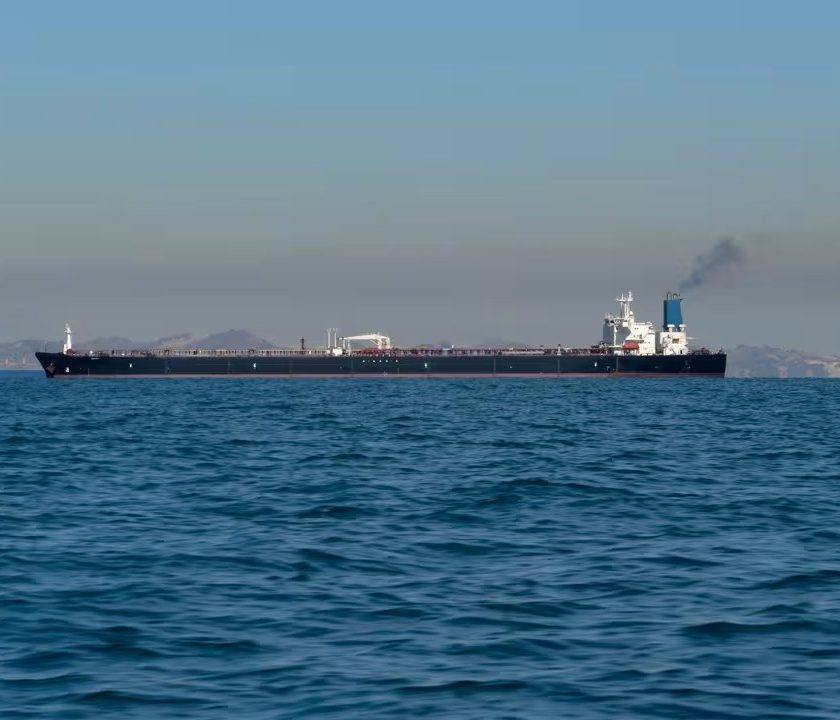
Iran and the United States should "immediately" allow fertiliser shipments through the Strait of Hormuz to ease the crisis in some of the world's most vulnerable countries, a senior United Nations official said on Saturday.
Source: AFP via The Sen Times
Jorge Moreira da Silva, executive director of the UN Office for Project Services (UNOPS), made the appeal at the COP31 climate talks in the Turkish resort city of Antalya. He warned that the lack of fertilisers could push millions of people into poverty.
"They should continue their negotiations about the comprehensive deal — but that deal should not avoid an immediate, exceptional, limited, and time-bound solution for the fertilisers," Moreira da Silva said, adding that he had delivered the same message to both countries.
"Basically what we need is five vessels a day with fertilisers," he said. The UN has a system ready to get fertiliser shipments moving within seven to 10 days once passage is allowed, he added.
Why fertiliser ships are stuck
The Iranian blockade of the vital waterway, which started after the joint US-Israeli attack against Iran in late February, has choked shipping in the region and beyond. A separate US blockade of Iranian ports has further complicated matters, according to AFP. Before the conflict, a third of the world's fertilisers passed through the Strait of Hormuz; since the blockades began, fertiliser prices have risen by 30 percent, Moreira da Silva said.
The poorest countries are hit hardest
"What I think is not sufficiently recognised is the disproportionate impact on the most vulnerable countries," Moreira da Silva said. He heads the UN task force dedicated to facilitating the safe passage of fertilisers during the crisis.
Sudan's finance minister recently told him that the price of food there had doubled in six months, he said. In Nepal, officials told him farmers could no longer afford to buy fertilisers. He named Mozambique, Kenya, Sudan, Somalia, Nepal, Bangladesh and Sri Lanka among the countries facing very significant impact — a list that underlines how a shipping blockade in the Gulf reaches farm fields and food prices across Africa and South Asia.
"If we continue missing the planting seasons in different parts of the world we may have 45 million people facing severe and acute food insecurity. We may have 30 million people being forced into poverty." — Jorge Moreira da Silva, UNOPS, speaking to AFP in Antalya on November 14.
What happens next
The appeal puts the fertiliser question on a separate, urgent track from the wider negotiations between Iran and the United States to end the conflict, which are still continuing. Moreira da Silva's proposal is deliberately narrow — an exceptional, limited and time-bound corridor for fertiliser cargo alone — so that planting seasons are not lost while the comprehensive deal is argued over. Whether either side accepts the five-vessels-a-day plan will decide if the UN system can start moving within the seven to 10 days he promised.
Source: Reuters summary via Wisevoter