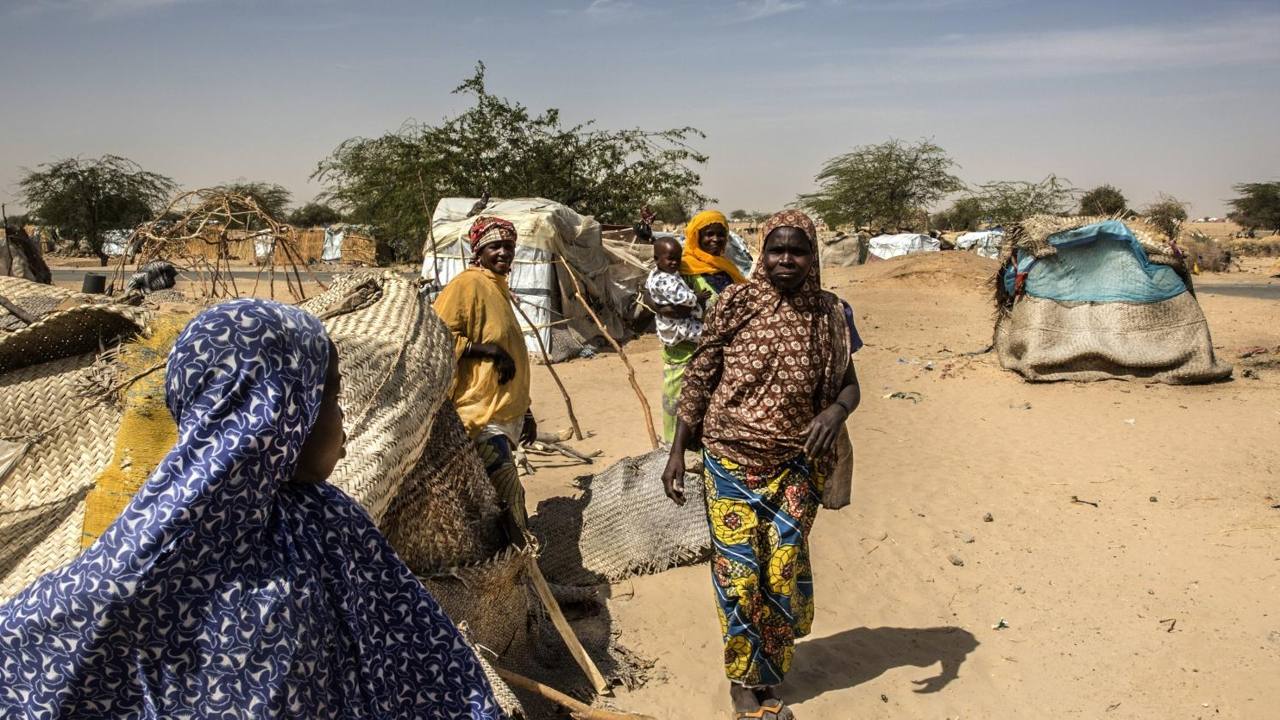
GENEVA — Nearly 64,000 people have fled northern Nigeria for neighbouring Niger this year, escaping attacks by Islamist militants and armed gangs and adding to mounting humanitarian needs in one of the world's poorest countries, the UN refugee agency UNHCR said on Tuesday, November 10, 2026.
Source: Reuters, Nov 10, 2026
The influx is stretching resources in Niger, which already hosts more than 500,000 refugees and asylum-seekers, including about 327,500 Nigerians, Reuters reported. Several hundred Nigerians have also sought refuge in Benin. Most of the new arrivals have settled in the border regions of Diffa, in the south-east, and Tahoua, in the west.
Source: Reuters, Nov 10, 2026
In October alone, around 1,200 people crossed into Diffa and another 3,400 into Tahoua, UN News reported. Conditions are particularly dire in Diffa, which has accounted for more than 70 per cent of Niger's reported security incidents this year, including armed attacks and violence against civilians.
Source: UN News, Nov 10, 2026
One refugee voice recorded by the UN's UNifeed service at the Ari Guirguidi site in Diffa described fleeing a displacement camp at Damasak, inside Nigeria, after repeated attacks: Boko Haram fighters kept coming, shooting and setting houses on fire, the 41-year-old said, which is why the family left and abandoned the camp.
Source: UNifeed / UNHCR, Nov 10, 2026
Hunger, drought and no papers
Northern Nigeria faces multiple overlapping crises — jihadist insurgencies by groups including Boko Haram and Islamic State West Africa Province (ISWAP), armed banditry and farmer-herder conflicts — which have forced millions from their homes over the past 25 years, UN News reported. New arrivals, many of them children, face high malnutrition levels, limited food and clean water, makeshift shelters and widespread respiratory infections; refugee women described walking several kilometres to collect water.
Source: UN News, Nov 10, 2026
Drought is compounding the emergency on the Niger side of the border: grain production is expected to be insufficient in around 700 of the region's 1,000 villages, and an estimated 70 per cent of pastureland has been lost to drought and irregular rainfall, UN News reported. Only about 5 per cent of this year's Nigerian arrivals in Niger have been formally registered — a lack of funds is hampering registration — leaving most without the documentation needed to access aid and public services, UNHCR said.
Source: UN News / Reuters, Nov 10, 2026
What is solid
- Nearly 64,000 people have arrived in Niger fleeing violence in northern Nigeria since the beginning of 2026, and several hundred more have gone to Benin (UNHCR, reported by Reuters and UN News on Nov 10, 2026).
- Niger already hosted more than 500,000 refugees and asylum-seekers, including about 327,500 Nigerians, before this year's arrivals (UNHCR).
- UNHCR is seeking $11.4 million to scale up its response in Niger, Nigeria and Benin, including a $2 million appeal for immediate critical needs such as water, food, shelter, health care, registration and protection.
What is only claimed
- The exact split of responsibility for the violence varies by locality: UN reporting attributes the displacement to a mix of Boko Haram, ISWAP, criminal gangs and farmer-herder conflicts, and no single group accounts for all of the flight.
- Registration figures are incomplete by definition — with only about 5 per cent of this year's arrivals registered, UNHCR's totals are agency estimates, not a full count.
UNHCR's Director of External Relations Dominique Hyde, who visited the Ari Guirguidi site in Diffa, said Niger's authorities and host communities were showing "remarkable solidarity," including making land available for temporary shelter — but warned their capacity was increasingly stretched. "Without additional resources, thousands of vulnerable families risk being left without essential assistance and protection as displacement continues," Hyde said.
Source: UN News, Nov 10, 2026
UNHCR wants $11.4 million (yaani about $1.14 crore) to expand registration, water, food, shelter, health care and protection work across Niger, Nigeria and Benin, with $2 million needed immediately. With arrivals continuing — 4,600 people crossed into Diffa and Tahoua in October alone — and Diffa itself recording most of Niger's security incidents this year, the agency warns the emergency will deepen unless donors fund the response.