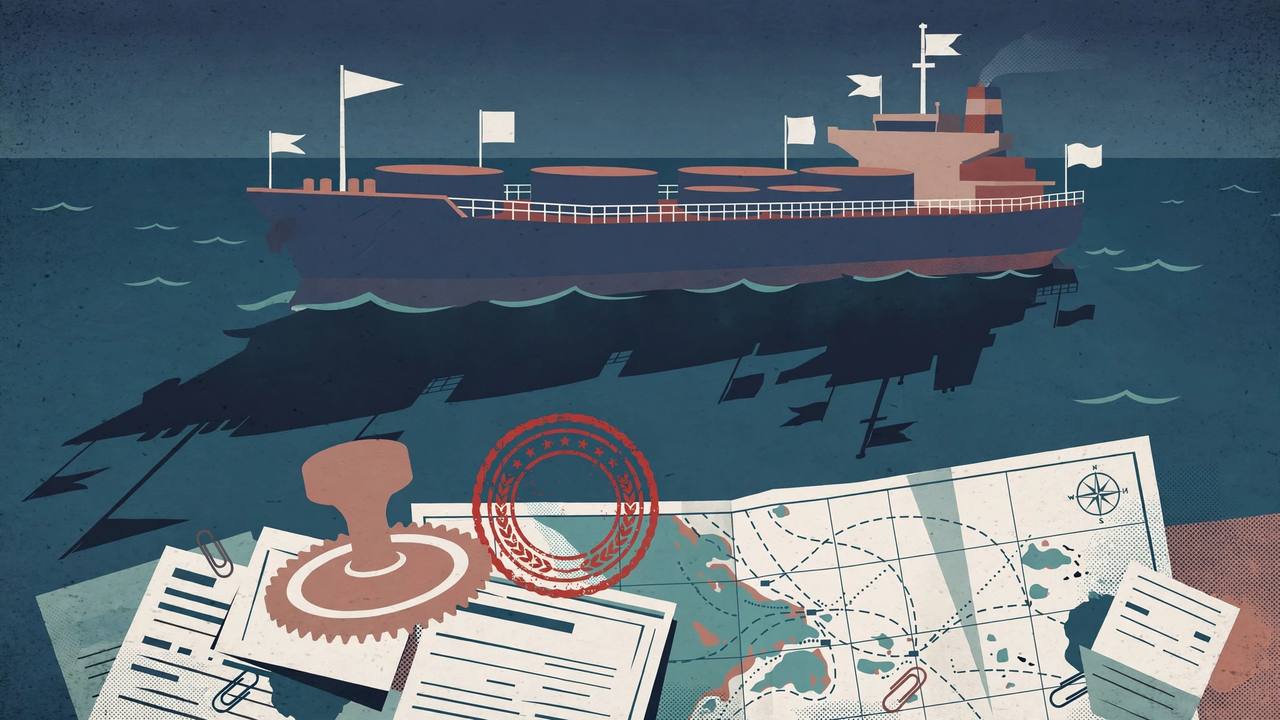
The United States Treasury on Wednesday, November 4, imposed fresh sanctions on a Chandigarh-based Indian couple, two other Indian citizens, nine connected entities and a Turkish ground-handling company, accusing them of helping Iran move its oil and keep its sanctioned airlines flying — the latest move in the Trump administration's “Operation Economic Outcast” campaign to cut off the oil revenue funding Iran's war with the US and Israel, Reuters reported. The designations target what Treasury called the “vast criminal network” of Suniel Kumar Sharma and his wife Jaspreet Preeti Shahid, which Treasury said provided false flags and fake certifications to sanctioned vessels carrying Iranian petroleum, including vessels operating for the Iranian military and its proxies.
Source: Reuters
“As we have said many times, under Operation Economic Outcast, you are either with us or against us,” Treasury Secretary Scott Bessent said. “We know where you are, and we will sanction those who continue supporting the Iranian regime, whether by land, sea, or air.” AFP, reporting the same announcement, said Treasury warned it would continue targeting entities and individuals supporting the Iranian government. The sanctions were unveiled a day after Democrats won control of both houses of Congress in midterm elections in which the unpopular Iran war was a key issue, Reuters noted.
Source: US Treasury / AFP
How the false-flag scheme worked, according to Treasury
Treasury said Sharma and Shahid, operating from Chandigarh, India, fraudulently claimed to represent countries from nearly every continent — among them Guyana, Eswatini and Laos — issuing flags and certifications that let Iran's shadow fleet evade international restrictions. The network bought web domains and built websites claiming to offer flagging, seafarer training and certification, and vessel classification on behalf of countries that had never authorised them, with sites purporting to represent Aruba, Guyana, Mali, Mozambique, Malawi, Sint Maarten and Timor-Leste, among others. Sharma is managing director of Oceaniek Technologies India, which Treasury said he used to set up registries purporting to belong to Aruba, Nicaragua and Sint Maarten, and to provide false flags to sanctioned tankers including LATTAFA, BINARY STAR and VERA.
Source: US Treasury
One designated company, Singapore-based Eswatini Maritime Affairs and International Ship Registry PTE. Ltd., was publicly disavowed by Eswatini's own authorities yet continued flagging vessels carrying Iranian petroleum, including the sanctioned PING SHUN, Treasury said. On April 22, 2026, the US Department of War seized the falsely Guyana-flagged MAJESTIC X, which was carrying Iranian oil when it was boarded, Treasury added. Treasury warned that falsely flagged vessels carry no valid protection and indemnity insurance, so a shadow-fleet accident could cause billions of dollars in damage — yaani thousands of crores of rupees — to the economies of countries in whose waters they sail.
Source: US Treasury
The Turkish aviation arm: Fugo Ground Services
Separately, the Treasury's Office of Foreign Assets Control (OFAC) sanctioned Türkiye-based Fugo Ground Services Inc for providing ground handling and other services to US-sanctioned Iranian airlines that continue to fly to Türkiye. Treasury said Fugo has direct service agreements with Iran Air Tour, Saha Airlines, Sepehran Airlines, Varesh Airlines, Taban Airlines and Ata Airlines, and began serving several of them in the weeks after their September 8, 2026 designations. OFAC also issued a new alert to industry warning of the sanctions risk of dealing with potentially falsely flagged vessels.
Source: US Treasury / Reuters
What is solid
- The US Treasury designated Sharma, Shahid, Dhiman and Ishwinder Singh, nine connected entities and Fugo Ground Services Inc on November 4 under Executive Order 13902, as part of Operation Economic Outcast (announced August 24, 2026)
- Treasury says the Chandigarh-based network provided false flags and certifications to sanctioned vessels transporting Iranian petroleum, and that Fugo services sanctioned Iranian airlines in Türkiye
- As a result, the designated persons' US property is blocked, US persons are generally barred from dealing with them, and entities owned 50 per cent or more by them are also blocked
What is only claimed
- The fraud allegations are Treasury's designations, not court findings — the designated people and companies have not been convicted, and no response from Sharma, Shahid or Fugo was reported by Reuters or AFP
- Tehran rejects the US sanctions campaign as illegal economic warfare; Iran and the US remain far apart on a deal to end the war, a senior Iranian official told Reuters on Tuesday
Background: the war, the blockade and Hormuz
The designations land in the ninth month of the war that began when the US and Israel attacked Iran on February 28. Washington reimposed its blockade of Iranian ports on July 14 after a memorandum of understanding to end the war broke down, Reuters reported, and Iran continues to hold the Strait of Hormuz closed on its terms: Tehran's conditions for reopening include waiving oil sanctions, ending the US naval blockade and releasing frozen Iranian funds. Operation Economic Outcast, announced by Bessent on August 24 and dubbed “Economic D-Day”, is the financial arm of that pressure — Treasury said last week its actions were driving the Iranian rial to new lows and domestic inflation to around 90 per cent, figures Tehran disputes.
Source: Reuters
The sanctions tighten the same oil lifeline at the centre of the Hormuz standoff — Tehran has set its price for reopening the strait, and Washington's answer so far is more pressure, not concessions: Iran's Hormuz conditions: Khamenei and Rezaei set Tehran's terms
What it means for Indian and Gulf readers
The case reaches directly into India: the network's base is Chandigarh, its directors are Indian nationals, and its alleged business — flags, seafarer certification and ship management — touches the maritime world in which lakhs of Indian and Punjabi seafarers and Gulf-based workers earn their living. OFAC's new industry alert means shipping firms, agents and crew managers dealing with unverified registries now carry direct US sanctions risk. Oil markets, meanwhile, stayed volatile on Wednesday: Brent crude slipped about 0.7 per cent to $102.87 a barrel in a session that swung both ways as traders weighed the Democrats' Congress sweep against the risk of renewed US strikes on Iran, Dow Jones reporting showed.
Source: US Treasury / Dow Jones via Morningstar
What happens next
Treasury has said Operation Economic Outcast will accelerate the pace of US enforcement, and that any foreign firm or individual enabling sanctioned Iranian airlines — through aircraft transfers, cargo services or sales-agent support — faces the same treatment as Fugo. Violations can bring civil or criminal penalties, and OFAC can also move against foreign banks that knowingly facilitate significant transactions for designated persons. Whether the Chandigarh network's designations draw a response from Indian authorities, and whether Tehran answers the new squeeze at the negotiating table in Qatar or at sea in Hormuz, are the next tests.
Source: US Treasury