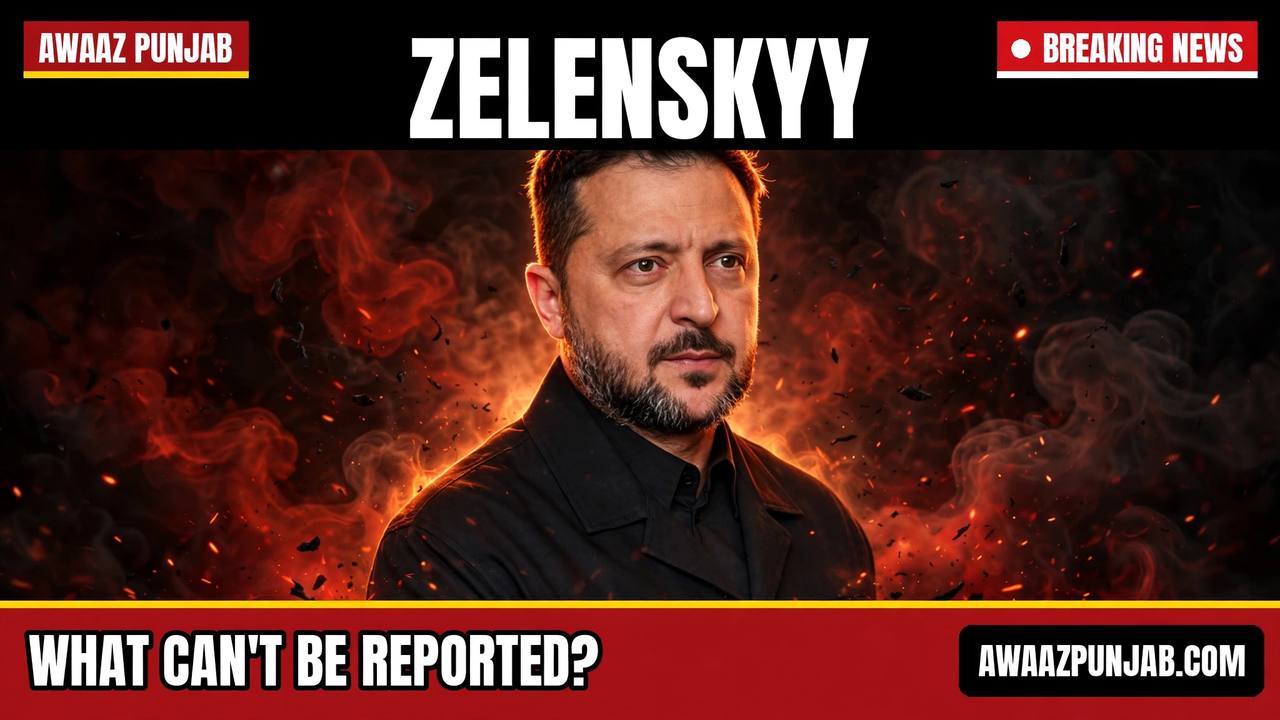
Kyiv — Ukrainian President Volodymyr Zelenskyy signed a decree on Saturday, November 28, ordering the government to take urgent measures to prohibit media outlets from publishing details about the consequences of Russian strikes on critical infrastructure and the timelines for restoring damaged facilities.
Source: Ukrinform
The decree, No. 1151/2026, published on the president's website, puts into effect a National Security and Defence Council decision taken on October 23 on protecting critical infrastructure through the 2026/27 heating season.
The ban also covers the construction stages and the condition of protective structures at energy and life-support facilities, according to the decree's text as reported by Ukrainian media.
The government must take urgent measures to prohibit the media from covering information about the consequences of destruction and the timelines for restoring critical infrastructure facilities.
Enforcement still undefined
Presidential adviser Dmytro Lytvyn conceded on Saturday that enforcement would be complicated, because a significant portion of such posts come from anonymous Telegram channels. The Cabinet of Ministers, the Security Service (SBU) and other agencies are to define the measures; no penalties have been specified yet.
Source: AFP
Strikes intensify as winter sets in
Overnight on November 28, Russia launched 162 drones, 74 of them jet-powered, with hits at 13 locations, Ukraine's Air Force said. In Kyiv, one woman was killed and four people were injured, Mayor Vitali Klitschko said, and grid operator Ukrenergo put hourly outage schedules in force for every category of consumer as night temperatures fell to between -3C and -8C.
Source: ERR News
The decree also orders the Defence Ministry and the General Staff to take steps to better protect critical energy infrastructure. Most Cabinet tasks, including deploying electronic-warfare systems at energy facilities, carry a one-month deadline.
The restrictions are not new in Ukraine. Under martial law, media outlets are already barred from publishing the locations of strikes or the damage caused, and publishing a photo or video linked to a specific location before an official announcement can carry a prison sentence of up to 12 years.
Russia is moving in the same direction: Russian lawmakers last week proposed bills that would prohibit independent and unauthorised reporting on the consequences of Ukrainian strikes, the Institute for the Study of War reported. What happens next: the Cabinet and the SBU are to define enforcement within a month, press-freedom groups are expected to respond, and the bombardment is set to continue into the winter.
It is the fifth winter of the full-scale invasion. Kyiv's offer of a Black Sea ceasefire limited to farm exports, made on November 27, is still awaiting Moscow's response.