The first laboratory results from the controlled detonation of nearly five tons of unstable lead azide in southeastern Iowa show no rise in lead in the water that supplies drinking water to the area, the U.S. Environmental Protection Agency said on Saturday.
Source: EPA
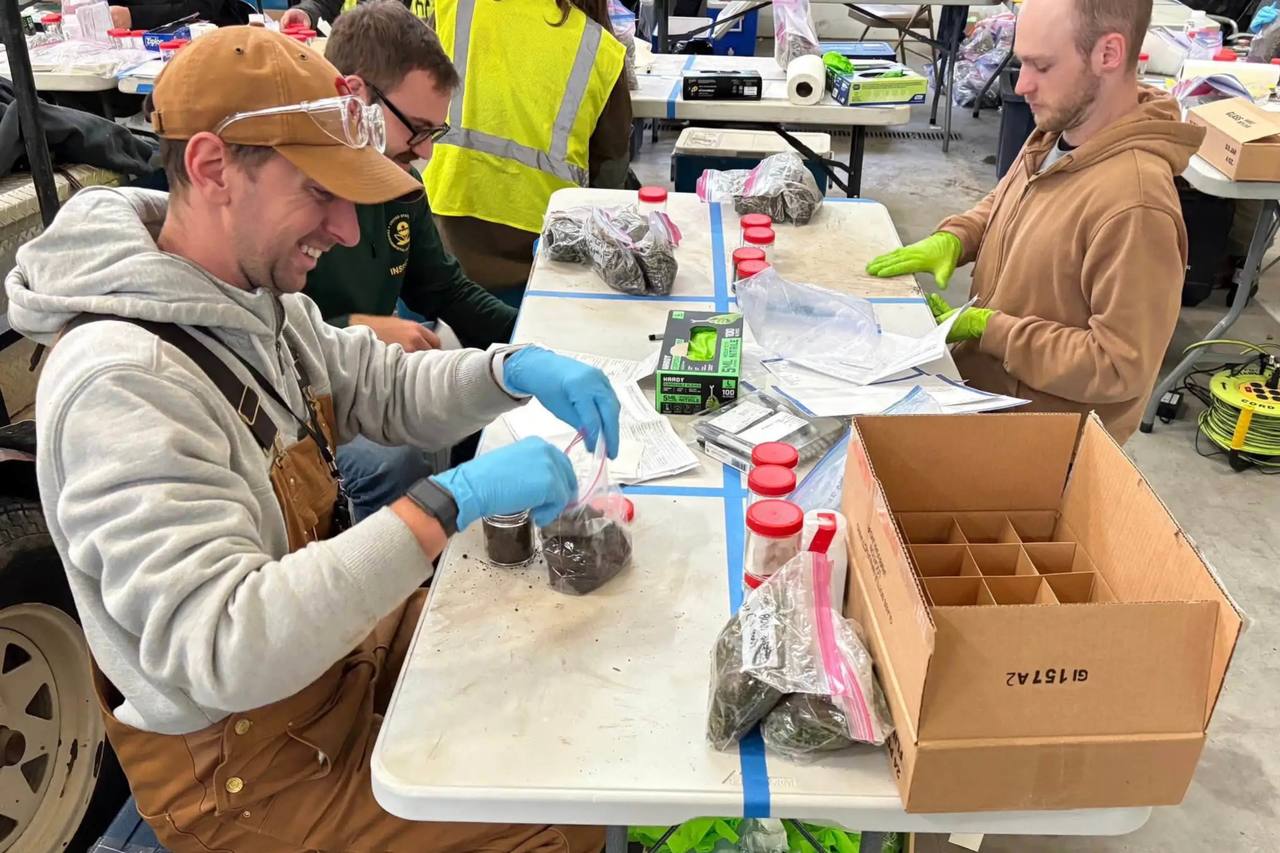
"EPA found no lead in the 38 water samples taken post-detonation at public water supplies, which included samples of finished treated drinking water and untreated water at the intake," the agency said in a press release. The results, released three days after the blast, are the first lab findings from the massive sampling operation that followed Wednesday's detonation at the Iowa Army Ammunition Plant in Middletown.
Source: EPA
What the tests covered
The EPA's teams collected more than 1,600 air, water, soil and dust samples after the detonation — roughly the same number taken before it — and assessed 187 homes and other structures, including schools, playgrounds, churches and daycare centres. About 300 people spent Thursday in the field sampling across the region. According to initial lab results from 88 percent of the post-detonation samples analysed so far, measurable concentrations of lead in soil, water and drinking supplies were no higher after the blast than in samples taken beforehand.
Source: Reuters
Air monitoring told the same story. The EPA said its Xact air monitoring systems recorded readings of 0.0 micrograms per cubic metre of airborne lead for 30 consecutive hours after the controlled detonation. Before the blast, the agency sampled 35 water sources across Iowa, Illinois and Missouri to set a baseline; four locations showed low levels of lead — between 1.13 and 2.12 parts per billion — all far below the EPA's lead action level of 15 parts per billion for drinking water.
The blast and why it happened
On Wednesday morning, November 25, the Army detonated nearly five tons — about 4,500 kilograms — of highly volatile lead azide stored in 68 degrading plastic drums at the ammunition plant in Middletown, a small farming town about 150 miles southwest of Des Moines. The demolition was carried out in two simultaneous explosions after the Army said the stockpile was at risk of exploding on its own as temperatures dropped. Residents living closest to the plant were evacuated in advance, while others were told to shelter inside their homes. An all-clear notice later in the day said residents could resume normal activities.
Source: Associated Press
The detonation ended weeks of delays and court fights. The Eighth Circuit froze the Army's plan, the Justice Department invoked emergency powers to proceed, President Donald Trump ordered a halt until a court and Iowa's governor-elect agreed, and the court then cleared the blast for Wednesday. Throughout, residents and elected officials criticised the Army for giving too little notice — Middletown residents knew of the plans, but few others did, and the warnings largely failed to register with elected officials and the broader public until days before the planned detonation.
Not everyone is reassured
Wally Taylor, the legal chair for the Sierra Club Iowa Chapter — one of the groups that petitioned to pause the permit that cleared the way for the blast — said he was not confident in the EPA's results and thought it was still "too early to make any firm conclusions." He said lead could still have spread near the explosion site and that he was waiting for test results from the University of Iowa, which sent out air monitors and collected samples before the detonation, and other research groups. "The lead had to go somewhere," Taylor said. Experts have also cautioned that the first results represent only one data point and must be followed by additional testing.
The mayor of Muscatine, Iowa, a small city about 50 miles north of Middletown, called the initial results encouraging. Mayor Brad Bark said in an emailed statement that the findings are "a reassurance for communities." "Our priority remains the health and safety of our residents. We will continue to follow the recommendations and stay in close coordination with the EPA, the Army, state and county partners," Bark said.
What happens next
The EPA said it is preparing to receive, validate and release post-detonation data on water from taps, soil from structures and non-structures, and dust both inside and on the exterior of structures, as well as air samples. As results return from the laboratories and are validated over the coming days, they will be posted publicly at epa.gov/IowaData. Lead is a heavy metal that is especially dangerous to children and pregnant people, which is why the sampling — and the wait for the full results — matters to families across the region.
On Friday, the Army said the controlled detonation went as planned, with no airborne lead detected — while the governor-elect, two US senators and local critics said Iowans were kept in the dark for too long. Read our earlier report
For now, the first numbers point in a reassuring direction: no lead in the drinking-water samples tested, no airborne lead for 30 hours, and soil and water readings no higher than before the blast. The fuller answer — from taps, soil and dust — is still coming.