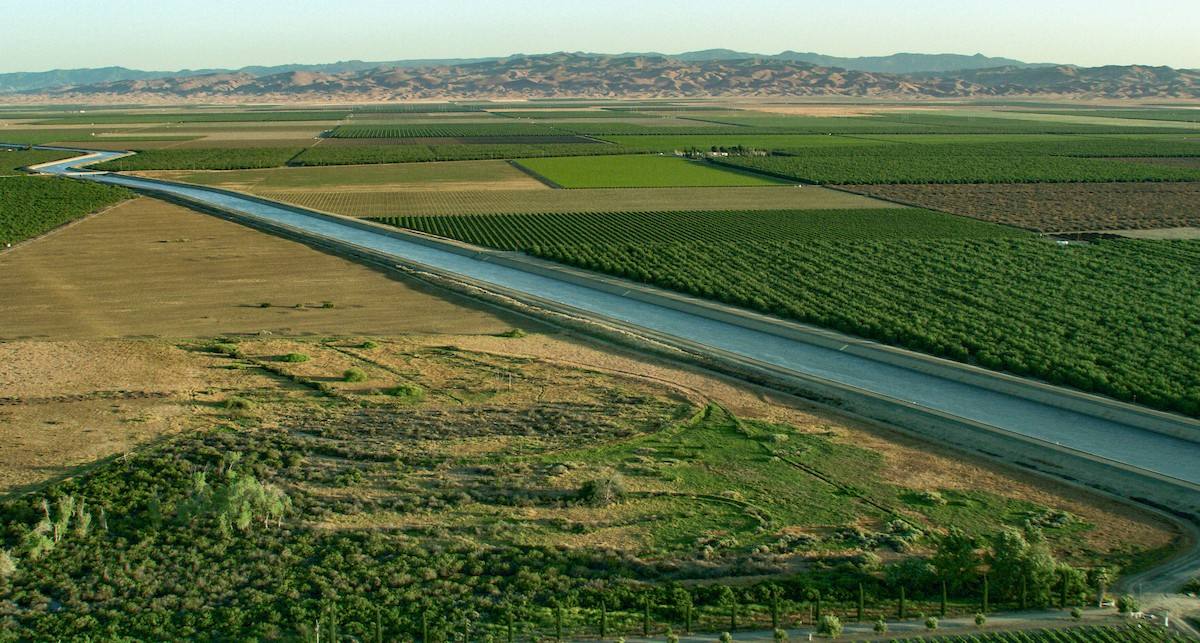
Westlands Water District, the largest irrigation district in California's Central Valley, has filed a lawsuit challenging the State Water Resources Control Board's adoption of the updated Bay-Delta Water Quality Control Plan, the district announced on Wednesday, November 25. The filing marks the collapse of a years-long negotiated effort to settle California's most bitter water fight — and opens a new court battle over the rules that govern water for nearly 30 million Californians.
In its announcement, Westlands said the plan the board adopted is “legally deficient, unworkable” and “undermines the very principles that brought stakeholders to the table.” The district argues the state rewrote the deal so fundamentally that “little remains beyond the HRL name” — a reference to the Healthy Rivers and Landscapes Program at the heart of the dispute.
A decade of talks, then a break
The dispute goes back to the 2022 Memorandum of Understanding, under which water users, the state and federal agencies agreed to a voluntary approach: water users would dedicate part of their water to river flows and habitat restoration over eight years, instead of the state imposing fixed pumping limits. Westlands says it invested years of good-faith participation and significant resources in that approach “because the District believed it was the right thing to do.”
The State Water Board adopted the updated Bay-Delta Plan at its October 28–29 meeting, voting 4–1 in the first overhaul of the rules in 31 years. The plan lets water users choose between the traditional regulatory path, in which the board sets flows and curtailments, and a voluntary pathway built on the 2022 agreements — but Westlands, the State Water Contractors and other signatories say the final text is not the deal they signed.
“The State changed the terms, ignored participants' concerns and replaced a negotiated partnership with a one-sided approach that bears little resemblance to the collaborative program and commitments established through the 2022 Memorandum of Understanding.” — Allison Febbo, General Manager, Westlands Water District
What the adopted plan does
The plan governs the Sacramento–San Joaquin Delta, the estuary where California's two largest rivers meet and the hub of the state's two biggest water systems. It directs about $2.9 billion in state, federal and local investment toward habitat work, including restoring more than 27,000 acres of aquatic habitat, and designates Tribal Tradition and Culture as a protected beneficial use of water, recognising the importance of salmon to California Native American tribes. Pending approval by the Office of Administrative Law, the voluntary pathway must begin implementation no later than October 1, 2027.
Westlands is not the only party unhappy with the outcome — but the sides disagree in opposite directions. Jennifer Pierre, general manager of the State Water Contractors, described the plan as “a complete system of micromanagement” that gives water users too little flexibility. Tribes, environmental advocates and fishing groups warn the deal and its regulatory backup gut protections for an ecosystem already in crisis. And the Trump administration, through the U.S. Bureau of Reclamation, had threatened to withdraw support and several hundred million dollars in federal funding unless its concerns were addressed.
Why it matters in the Central Valley
Westlands has served farmers and rural communities on the west side of Fresno and Kings counties for more than seven decades, and it describes itself as a world leader in agricultural water conservation. For growers in the district, the plan's water-supply rules decide how much water reaches their fields — and how much uncertainty they carry into the 2027 irrigation season. Fresno and Kings counties sit in the heart of the Central Valley, home to one of the largest Punjabi farming communities in the United States, and water allocations shape farm work, irrigation costs and the valley economy far beyond the district's own boundaries.
What happens next
The lawsuit now moves through the courts, while the plan itself heads for approval by the Office of Administrative Law. Board staff are to release a draft implementation methodology within a year and develop implementing regulations within two. Westlands said it will keep working with the California Department of Fish and Wildlife, the Department of Water Resources and other public water agencies on solutions, and that it “welcomes fresh thinking from the next Administration” — a signal that the district expects the fight over California water to continue well beyond this filing.
This report is based on the Westlands Water District press release published by Maven's Notebook, the district's statement of November 25, and reporting on the Bay-Delta Plan's adoption by Smart Water Magazine, CalMatters and the Pacific Research Institute.
Source: Maven's Notebook