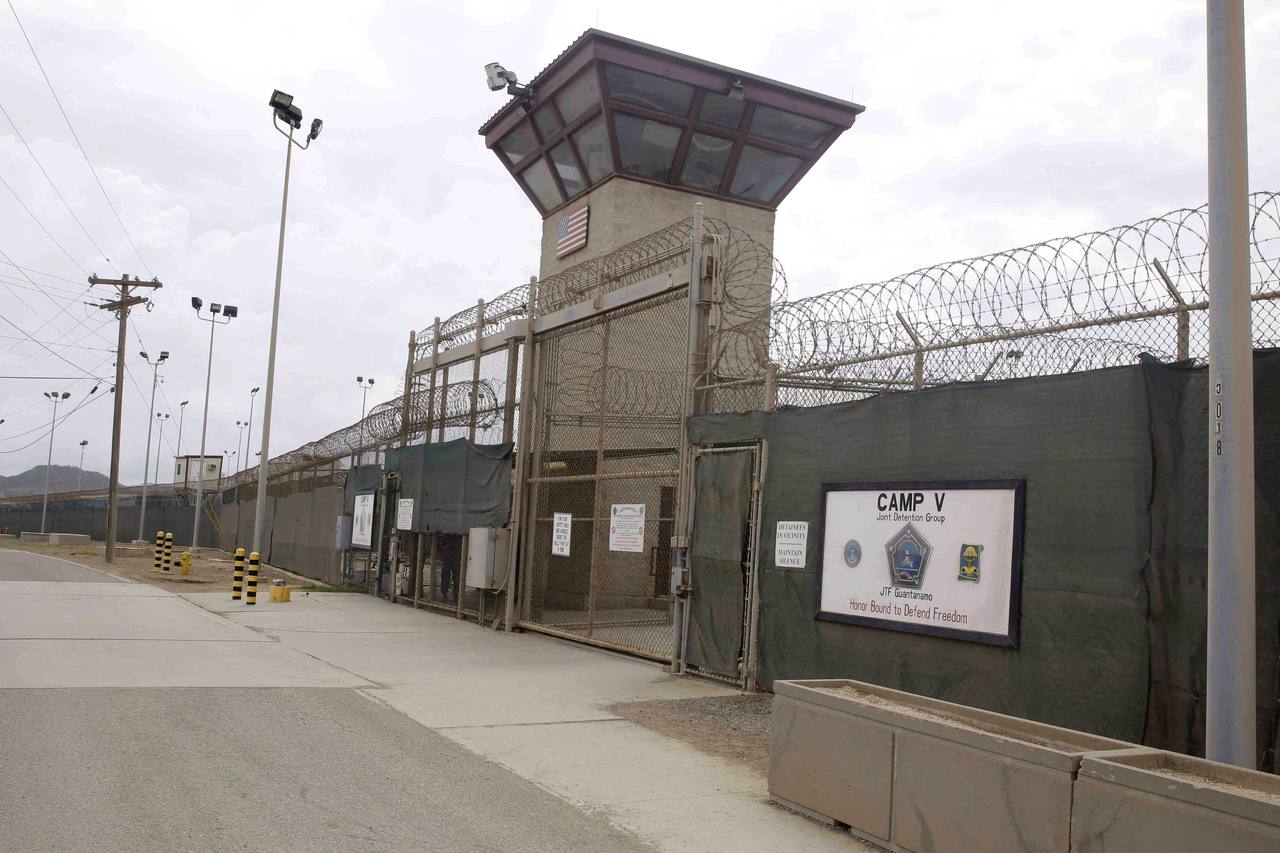
The US Department of Defense spent more than $81.5 million transferring and holding migrants at the naval base at Guantanamo Bay in Cuba, even though only 849 people were ever held there, according to a new watchdog report.
Source: CNN
The figures come from the Pentagon's lead inspector general report on Operation Southern Guard, published on Wednesday, November 25. The report tracks the military's spending in support of the Department of Homeland Security (DHS) at Naval Station Guantanamo Bay since the operation began in 2025.
A base built for tens of thousands that held fewer than 900
When the operation began, the military surged capabilities to the base to hold tens of thousands of people, and officials cited a figure of 30,000 in January. Tents and facilities were built in a hurry. But the report found the base's maximum capacity since the operation began was only 399 people — and on September 3, just eight migrants were being held there.
About 350 US military personnel were still at the base in September 2026 supporting the DHS operation, the report says, though the exact number may fluctuate. The US Army accounted for the lion's share of the spending, according to the report's breakdown, which does not say exactly what the money was spent on. The Army is the service that largely leads and oversees major logistical efforts such as flights, facilities and troop deployments.
Migrants sent to Guantanamo Bay are held there while DHS arranges their removal from the United States. Between July and September 2026, people stayed at the base for an average of seven days. But the average detention time has grown since the operation began, the report says, because some home countries have been unwilling to accept their nationals back and because of flight-scheduling problems. One person was held for 102 days for that reason.
Dividing the total by the number of people held works out to about $96,000 per person — for stays that averaged just a week in the most recent quarter. That figure counts the full cost of the mission, including flights, facilities and the hundreds of troops deployed to support it.
A second report puts the wider bill even higher
A separate report from the Government Accountability Office (GAO), released on November 19 by Senator Dick Durbin of Illinois, put the combined cost even higher. It found that Immigration and Customs Enforcement (ICE) and the Defense Department together obligated about $111 million for immigration detention at Guantanamo Bay, where the average daily population was fewer than 30 people.
According to the GAO report, ICE officials told investigators that cost did not factor into the decision to use Guantanamo Bay and that conserving costs is not a goal there. The GAO report also found that ICE received $45 billion in immigration detention funding in July 2025, bought 11 warehouses for about $1.07 billion to convert into detention facilities before scaling the plan back, and bought four existing detention facilities in July and August 2026 for about $2.2 billion in total.
The GAO also found that ICE has committed to pay for 46,688 beds at 64 facilities whether or not they are used, and that at just four facilities it paid about $13 million a month for empty beds.
The $81.5 million figure covers only the Pentagon's obligations under Operation Southern Guard. The GAO's $111 million figure covers both ICE and the Defense Department. The two reports measure different parts of the same operation, and neither is the final total: the inspector general's report covers spending only through September 2026.
Why this matters, and what happens next
For immigrants and their families, the figures show the scale of the enforcement system the Trump administration has built around detention. Migrants are flown to a military base in Cuba and held there while DHS arranges removals, even as the base sits largely empty. For taxpayers, the reports give the first full accounting of what the Guantanamo operation has cost — and both watchdogs found the money was spent without a clear plan for how many people the base would actually hold.
The mission is still technically active, and the total will keep rising as long as it runs. The inspector general's report covers only spending through September 2026, so later costs are not yet accounted for. Senator Durbin, the ranking member of the Senate Judiciary Committee, released the GAO report publicly on November 19, and both reports are now part of the congressional debate over detention spending.