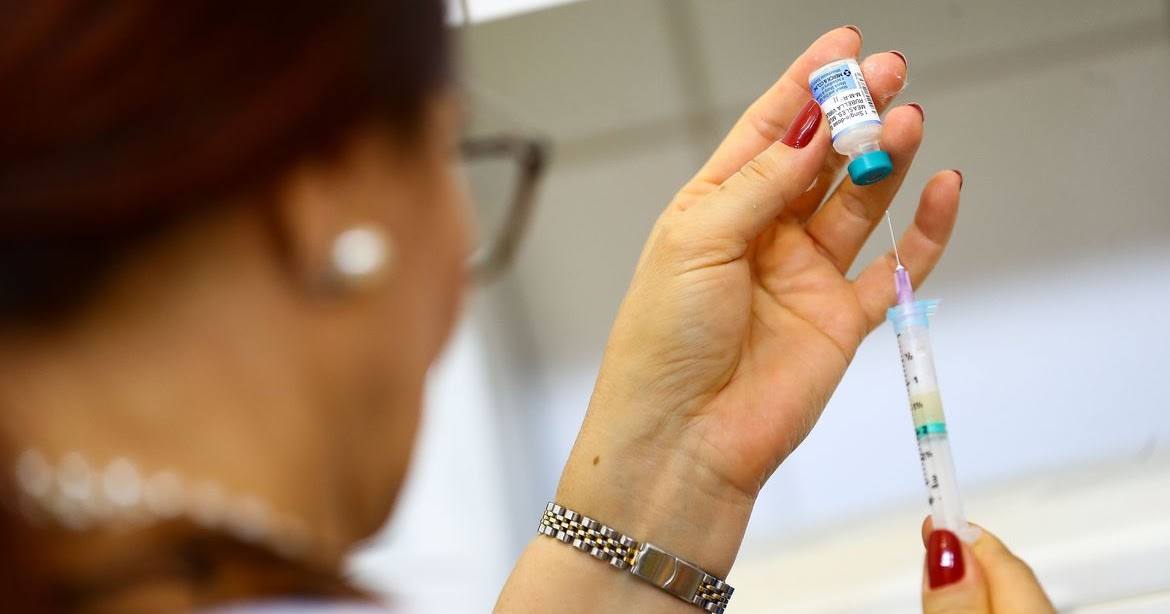
HARRISBURG, Pennsylvania — Pennsylvania's measles outbreak has claimed a seventh life. The Pennsylvania Department of Health confirmed on Friday, November 13, that an unvaccinated resident of Montour County who tested positive for measles has died — the state's seventh measles-associated death of 2026 and the first recorded in Montour County, WFMZ reported. The department is not releasing the person's age or other identifying details, saying it wants to protect the family's privacy.
Source: Reuters, November 13, 2026
The death was confirmed in the department's latest statewide update. Pennsylvania has now confirmed 1,542 measles cases across 46 counties this year, including 37 new cases since November 9, and 305 people have been hospitalized. Pennsylvania has more measles cases than any other state in the country this year, out of 5,412 cases the U.S. Centers for Disease Control and Prevention (CDC) has counted nationally.
Four counties have now recorded a death
Pennsylvania's seven deaths now span four counties: three in Lancaster County, two in Jefferson County, one in Mifflin County and now one in Montour County. Montour is a small county in the Susquehanna Valley that includes Danville, home to Geisinger Medical Center — where, in August, access to the neonatal intensive care unit was restricted after a potential measles exposure from a hospital visitor, CIDRAP reported at the time. The outbreak's first two deaths were reported in August, both unvaccinated Lancaster County residents.
One reported death is deliberately not in the count. The department said it is aware of a reported October death in Franklin County, but its investigation has not found a Franklin County case that meets the criteria for a measles-associated death, so that death is not included. A wider counting dispute sits behind the state figure: state health departments have reported 10 measles-associated deaths nationwide this year, while the CDC lists six and calls its figure subject to change, CIDRAP reported. Reuters reported that on Thursday the CDC confirmed six measles-related deaths nationwide this year — twice the 2025 toll — after the agency, under Health Secretary Robert F. Kennedy Jr., began using National Center for Health Statistics mortality data instead of state figures.
Early signs of slowing — with warnings attached
State officials say the pace of the outbreak is easing. CIDRAP reported 61 new Pennsylvania cases this week, and state epidemiologist Lisa McHugh said the outbreak "seems to be slowing" and added, "We're hoping that continues." The same day Pennsylvania confirmed its seventh death, Wisconsin health officials reported a pediatric measles-associated death — the second linked to that state's outbreak — with details withheld to protect the family's privacy, Reuters reported. Johns Hopkins Bloomberg School of Public Health professor William Moss told Reuters the pattern has a clear driver: "The bottom line is that measles virus will readily spread in communities with low measles vaccine coverage."
The longer arc shows why officials are not declaring the outbreak over. When the department confirmed the sixth death — an unvaccinated Jefferson County resident — on November 4, the state stood at 1,467 cases in 45 counties. In the nine days since, Pennsylvania has added 75 cases, one more county and 22 hospitalizations. Health officials also warn that holiday travel and indoor gatherings in the weeks ahead could carry the virus into households and communities that have not yet seen a case.
Of Pennsylvania's 1,542 confirmed cases, only five have occurred in vaccinated people — under 1 percent of the total. The Department of Health says two doses of the MMR vaccine provide 97 percent protection against measles.
Vaccination demand has surged across the state
Pennsylvanians are responding at clinics. Monthly MMR doses rose from about 56,000 in September to about 61,000 in October, compared with a normal monthly average of about 25,000. The department has also given more than 7,100 doses at 257 pop-up clinics in affected communities since late April, with dozens more clinics scheduled. Statewide, 92.7 percent of Pennsylvania kindergartners received the MMR vaccine for the 2025–26 school year — but officials and researchers note that a state average hides wide gaps between communities, and it is in those gaps that outbreaks take hold. According to the CDC, nearly 1 to 3 of every 1,000 children who get measles die from respiratory or neurologic complications.
What families should watch for — and what happens next
Measles symptoms — fever, cough, runny nose, red, watery eyes and then a rash — can appear 7 to 21 days after exposure. Anyone who suspects an exposure and has symptoms should call a health care provider before visiting in person, or call the department's hotline at 877-PA-HEALTH (877-724-3258); trouble breathing, confusion or seizures require urgent care. The people at highest risk are unvaccinated children, infants too young for routine vaccination, pregnant people and people with weakened immune systems. The vaccine is available from health care providers, county and municipal health departments, Department of Health State Health Centers, federally qualified health centers and Vaccines for Children sites — an important option for families without insurance — and federal guidance allows infants 6 to 11 months old in some outbreak or travel situations to receive an early MMR dose, a question parents can raise with a pediatrician before holiday trips to affected counties.
The department posts outbreak updates at pa.gov/measles. The next milestone is national: a PAHO commission decision on the United States' measles elimination status is expected on November 17. For Pennsylvania — including the state's Punjabi and other immigrant families in and around Philadelphia, Pittsburgh and the central counties now at the centre of this outbreak — the practical test in the coming weeks is whether weekly case growth keeps falling, and whether the Franklin County review changes the death count.