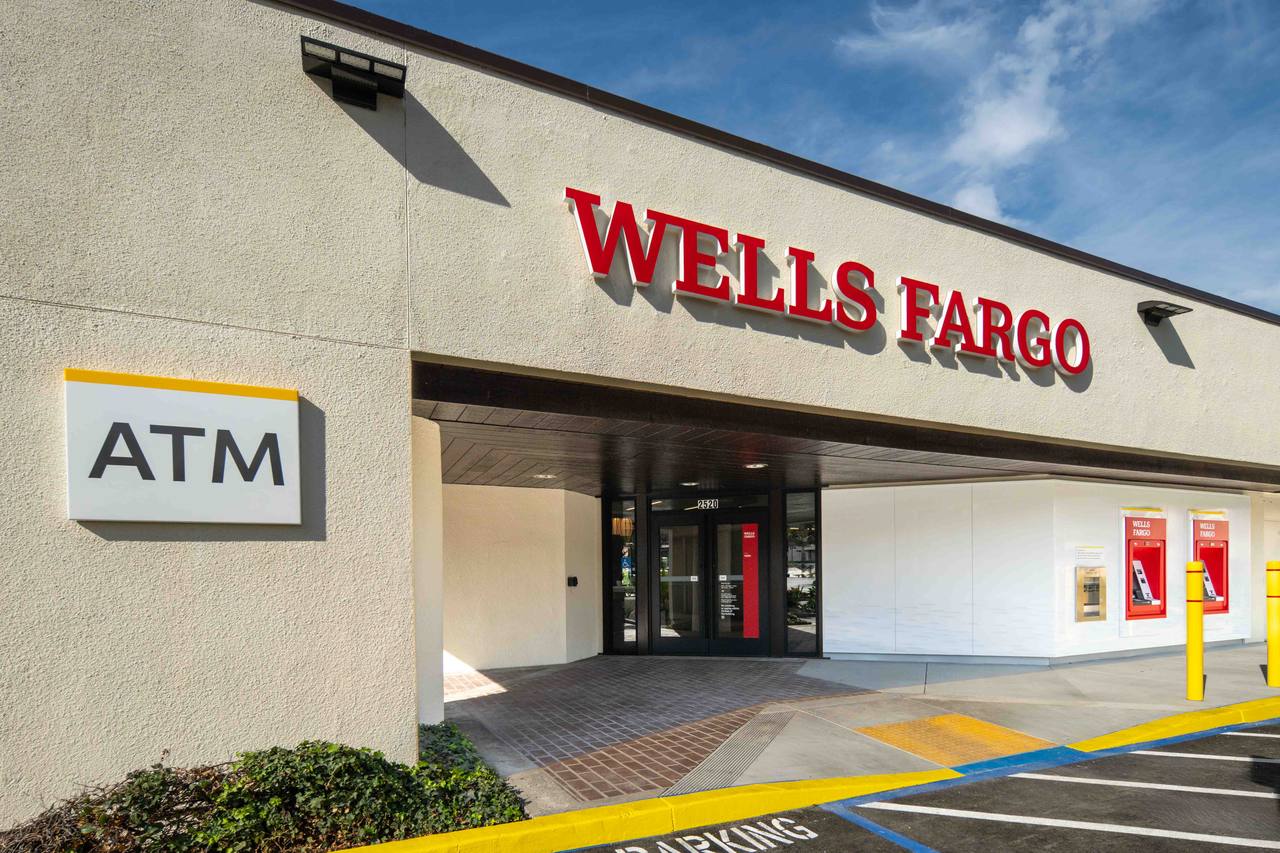
From today, Tuesday, November 24, 2026, Wells Fargo customers who let an artificial-intelligence assistant into their bank accounts are bound by new terms that put the risk squarely on the customer. Anything an AI agent does while logged in as you, the bank says, counts as if you did it yourself — and it is, in the bank's own capital letters, “AT YOUR OWN RISK.”
Source: Wells Fargo
The change sits in a new Section 15 of Wells Fargo's Online Access Agreement, titled “Third-Party Artificial Intelligence Agents or Agentic AI.” It says that if you use a third-party AI tool to reach your accounts, requests submitted through it “may be treated as if they came directly from you.” Instructions given by an agent are, in the agreement's words, “deemed to have been initiated and authorized directly by you, without further verification” — including transactions you did not want or intend.
The definition is deliberately wide. Section 15(a) defines an “AI Agent” as “any software, application, program, or other technology that takes autonomous, semi-autonomous, or non-autonomous action on behalf of any person or entity.” The terms apply across Wells Fargo Online, Wells Fargo Business Online, Wells Fargo Mobile and Wells Fargo Advisors, and continued use of those services after today means the updated agreement applies to you.
The part to read twice: switching it off
The clause customers should read most carefully is the one about stopping. You must revoke an AI agent's access yourself, keep evidence that you did so, and hand that evidence to the bank if it asks. Until you notify the bank, the agreement says, “you remain responsible for all the AI Agent's activities.” Wells Fargo also reserves the right to require customers to register their AI agents with the bank, and to restrict or block access from certain third-party AI tools.
The bank, meanwhile, gives itself a wide disclaimer. It says it does “not monitor, screen, or review AI Agent activities,” and the customer bears the risk of the agent's mistakes, of “unintended actions,” and of actions taken on “incomplete, inaccurate, or manipulated inputs” — the last of those covering prompt-injection attacks, in which a third party slips instructions into data the agent reads.
Not just Wells Fargo
Wells Fargo is the latest, not the first, big American bank to rewrite its rules for AI agents. JPMorgan Chase changed its Digital Services Agreement on October 27, 2026; Citi updated its Online User Agreement in November, with a Section H treating access by an outside AI agent as authorized by the customer; PNC's new terms take effect in December; Bank of America has emailed customers warning them about sharing login credentials; and Ally has issued similar warnings. American Banker, which reviewed Wells Fargo's document on November 2, reported that Wells Fargo appears to be the first bank to require customers to prove they have turned off an agent's access.
Source: American Banker
Why are the banks moving now? So-called agentic AI tools can log in with a customer's credentials, check balances, pay bills and move money — and millions of people are starting to use them. The tools can make mistakes, be tricked by manipulated instructions, or simply do more than the customer asked. No regulator has yet set rules on who pays when an AI agent gets it wrong, so the banks are settling the question themselves, in their terms of service, before any regulator weighs in.
If an AI tool holds your bank login, the bank will treat its clicks as yours. Do not hand an AI agent your password unless you accept that its mistakes — including ones you never asked for — are your mistakes.
What to do before you hand an AI your login
Consumer and security experts quoted in coverage of the new terms give the same basic advice: use a bank-approved connection rather than handing over your password; start with read-only access so an agent can look but not move money; check exactly what permissions an agent has; know how to revoke its access — and keep proof that you did; and never share your login credentials with a tool you do not fully trust. If something goes wrong, notify the bank immediately, because the clock on your responsibility runs until you do.
What happens next is unwritten. Regulators, including the Consumer Financial Protection Bureau and state attorneys general, have not yet set liability rules for AI agents in banking, and consumer advocates expect the new clauses to draw scrutiny — and lawsuits — as the first disputes reach the courts. Other banks are expected to follow with their own versions. For Wells Fargo customers, the practical fact is immediate: from today, the new terms govern every online and mobile session.
American Banker first reported the details of the new terms on November 2, 2026, after reviewing the document; WIRED quoted the agreement's “AT YOUR OWN RISK” language; and Wells Fargo published its own summary notice of the update. TechCrunch reported on November 18 that Citi and PNC had made similar changes.
Source: WIRED