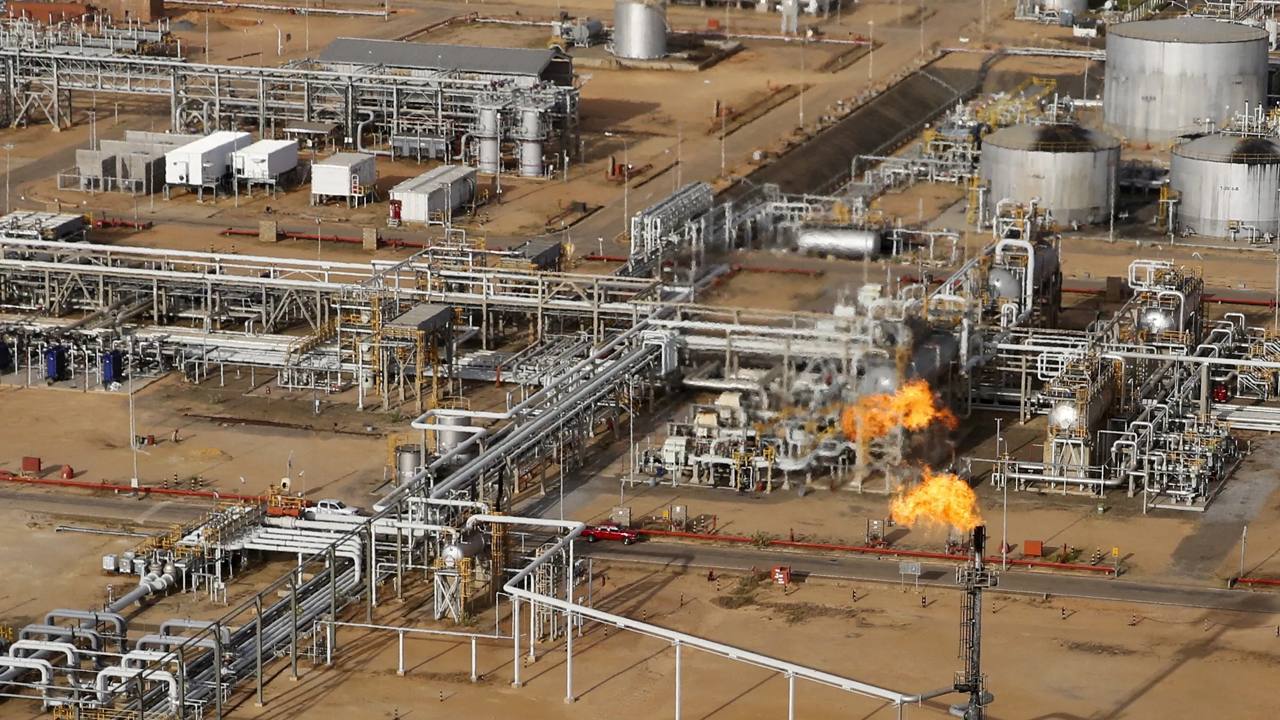
ExxonMobil can evaluate seven areas in Venezuela for possible development under the preliminary agreement it signed with the Venezuelan government and state oil company PDVSA on Monday, four people close to the matter told Reuters on Wednesday. The areas include undeveloped fields, mature areas and an exploration block.
Source: Reuters
The new details follow the memorandum of understanding signed in Caracas on Monday, in the presence of interim Venezuelan President Delcy Rodriguez — the first step in ExxonMobil's possible return to Venezuela nearly two decades after its assets there were expropriated. Read: ExxonMobil-PDVSA memorandum on a Venezuela upstream return
Under the non-binding pact, Exxon has exclusive rights for one year to negotiate contract terms and view subsurface and other data for the fields, one of the people said. Reuters said the arrangement is similar to ones other foreign companies have negotiated this year for entry into Venezuela's energy sector.
Exxon is evaluating a return to Petromonagas — previously called Cerro Negro — one of the few projects in Venezuela that has an operational upgrader to turn extra-heavy crude into exportable grades. The company is also assessing three additional areas in the Orinoco Belt, the country's largest output region, which include developed and undeveloped fields, the four people said, declining to be named because the agreement details are confidential.
Exxon is also negotiating exploration rights at a separate block, two of the sources said. Depending on the final composition of any portfolio it ultimately secures, Reuters reported, Exxon could re-enter Venezuela in an advantageous position, especially if it can create efficiencies with its operations in neighbouring Guyana — where it leads the consortium developing the prolific Stabroek block — and Trinidad and Tobago, where it is the sole rights holder to a large deepwater exploration area.
The open question of Russia's stakes
At two projects involved in the present talks — Petromonagas and Petrovictoria — Russia's participation remains an open question, Reuters reported. Russian state oil firm Rosneft acquired a 40% stake in Petromonagas following its expropriation from Exxon; that stake was transferred in 2020 to Roszarubezhneft, a Russian state firm created to shield Moscow's overseas assets from US sanctions.
Russia's government has said publicly that the company remains a stakeholder in those two and other oil and gas projects in the OPEC country. Venezuela's oil minister Paula Henao said this year that the government fully respected its agreements with Russia and China and that joint ventures in which they hold stakes would continue to operate. Exxon has not publicly disclosed its areas of interest in Venezuela and has made no reference to Russia's stakes, Reuters said.
Exxon declined to comment beyond its statement issued on Monday, which called the memorandum a “meaningful first step” and added that any future investment would require stable policies, clear regulations, strong investment protections and competitive returns. Venezuela's oil ministry and PDVSA did not immediately reply to Reuters' requests for comment.
Venezuela had offered Exxon a different mix of areas earlier this year, which the company rejected, Reuters reported. A return would be a big win for US President Donald Trump, who has pushed to remake the South American nation's energy sector: in January, shortly after US forces removed then-President Nicolas Maduro from power, Exxon CEO Darren Woods called Venezuela “uninvestable” at a White House meeting, but his comments softened after an oil reform pushed by Rodriguez earlier this year — on the company's third-quarter earnings call he said progress had been made to improve fiscal and legal terms. US Energy Secretary Chris Wright said this week on social media that Exxon's preliminary agreement was “tremendous progress in a remarkable short time.”