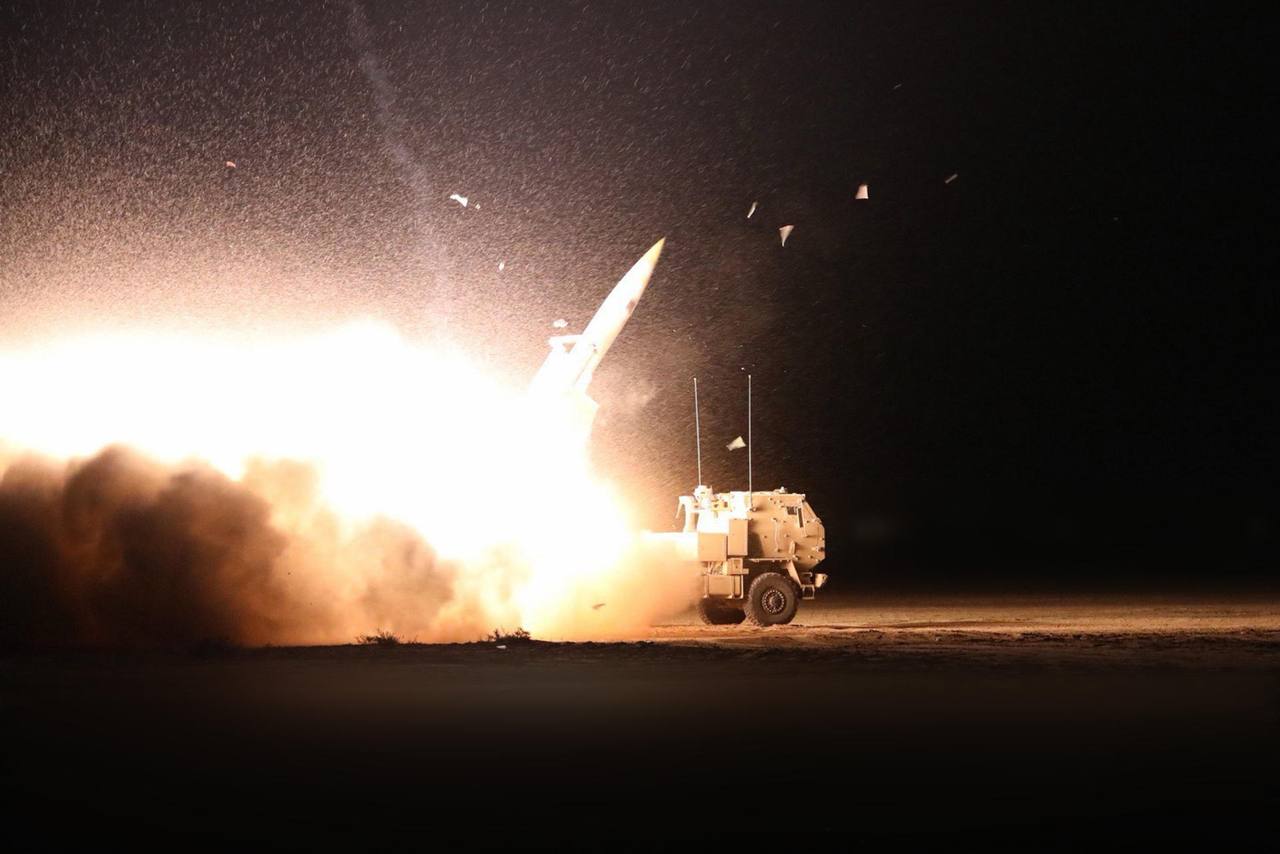
Iran still holds an estimated 1,500 to 2,500 missiles despite months of United States and Israeli strikes aimed at destroying its weapons infrastructure, The Wall Street Journal reported on Sunday, citing United States intelligence assessments shared by American officials.
Source: The Wall Street Journal via Europe Says
The assessment means Tehran keeps a substantial arsenal capable of threatening American forces and allied targets across the Middle East if all-out fighting resumes. It sits uneasily beside repeated claims by US President Donald Trump that Iran's military capabilities have been largely destroyed during the war that began on February 28.
A 'low confidence' count, and why the number is so hard to pin down
Officials said the assessment carries a low level of confidence, largely because of the difficulty of determining how many of Iran's missiles are ready to launch and how many remain in storage. Jim Lamson, a visiting research fellow at King's College London and a former CIA analyst specialising in Iran's military, said the secrecy surrounding the arsenal and its many manufacturers makes any count uncertain. "Having done this work for the government, I know it can be extremely low confidence even with all the classified information," he said.
Source: The Wall Street Journal via Bytes Europe (Ynet)
Israeli military officials estimate that Iran possesses more than 1,500 ballistic missiles, although assessments across the region differ. Simone Ledeen, who served as US deputy assistant secretary of defense for the Middle East during Trump's first term, said even the lowest estimate of 1,500 would mean Iran had replenished more than half of its estimated prewar stockpile — rebuilt, she said, between the 12-day war of June 2025 and the start of the current war in February.
Rebuilding underground, but more slowly than before the war
According to the report, Iran has continued replenishing its inventory using components accumulated before the war, although rebuilding is proceeding at a slower pace than before the conflict. In April, the Journal reported that Tehran had retained thousands of short- and medium-range ballistic missiles that could be recovered from underground sites: American and Israeli strikes collapsed the entrances to storage facilities, but satellite images released since then have shown Iran regaining access to some of them by excavating the blocked entrances. An Israeli official said the missiles stored at those underground sites likely survived intact, and that despite severe damage the Iranians are "rebuilding and rearming" and preparing for another serious round of fighting.
Tehran also retains significant numbers of drones and shorter-range missiles, the report said. Israeli and US officials said Iran's ballistic missile, drone and increasingly sophisticated attacks on American military facilities, radar installations and early-warning systems across the Middle East prompted Washington to relocate numerous US military assets to Israel, which is considered safer.
Trump, Netanyahu — and what happens next
Destroying Iran's ballistic missile capability was one of the main goals declared by the United States and Israel when they launched the war, and Prime Minister Benjamin Netanyahu has claimed Iran's missile programme was crippled and its remaining stockpile was "running out". Speaking at a Veterans Day ceremony on Wednesday, Trump suggested the United States had yet to achieve a complete victory: "We fought back, and we seriously fought back. And we won, just a question of when we want to end it. We want to make sure we have a total victory, not a 93 percent victory. It's going to be total." In an interview on Thursday with radio host Hugh Hewitt, Trump said he would consider it a "defeat" if Iran's regime remained in power when he leaves office.
For now, Washington has opted to maintain economic pressure on Tehran through sanctions and a blockade rather than launch another major military offensive, while Gulf allies have warned against renewed fighting over fears of retaliatory Iranian strikes and Israel continues to push for further military action, according to the newspaper. Any return to open war would again put Gulf-based workers — including lakhs of Punjabi and Indian workers across Saudi Arabia, the UAE, Qatar, Bahrain and Kuwait — in the line of fire, and would threaten oil shipments, flights and remittances across the region.
The missile assessment lands days after Trump told advisers he may hold off on fresh Iran attacks unless there are new provocations. Read: Trump may hold off on Iran attacks, advisers say