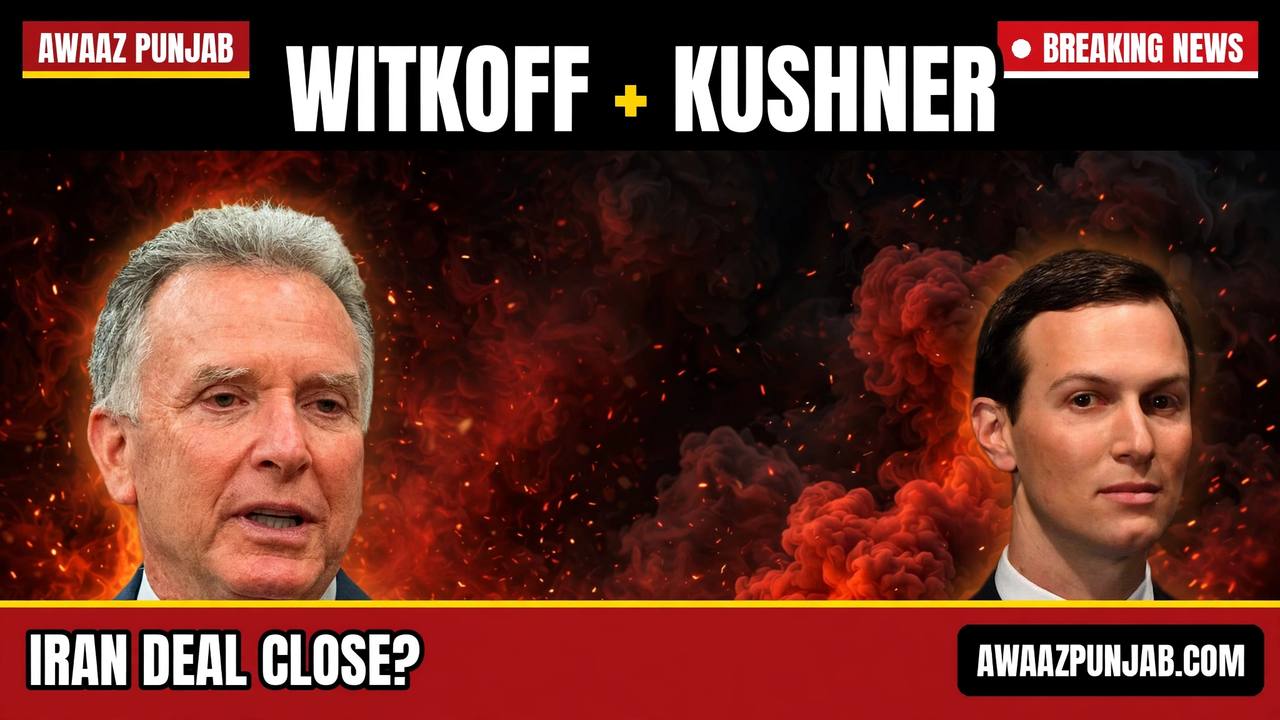
The United States and Iran are closing in on a one-page memorandum to formally end the war in the Gulf, Reuters reported on Wednesday, citing a Pakistani source familiar with the negotiations and another person briefed on the mediation. Iran said the same day it was reviewing a new US proposal and would convey its response soon through Pakistan.
Source: Reuters
Under the reported terms, Iran would pledge not to build a nuclear weapon and halt uranium enrichment for at least 12 years, while the United States would lift sanctions and release billions of dollars in frozen Iranian assets. Both sides would reopen the Strait of Hormuz within 30 days, and a preliminary deal would trigger 30 days of talks towards a full agreement.
The report, first carried by the US outlet Axios, said the one-page, 14-point memorandum was being negotiated between US envoys Steve Witkoff and Jared Kushner and several Iranian officials, both directly and through mediators. Axios reported that the White House believed it was closing in on the deal and expected Iranian responses on several key points in the next 48 hours.
Source: Axios
An Iranian foreign ministry spokesperson, cited by Iran's ISNA news agency, said Tehran was evaluating the 14-point US proposal and would convey its response soon via Pakistan, which hosted the war's only peace talks and has since served as the main conduit for messages between the two sides. In an early-morning social media post, US President Donald Trump gave no details of any specific proposal but said the war could end if Iran agreed.
Neither government has confirmed the reported terms. The White House, the State Department and Iranian officials contacted by Reuters did not immediately respond to requests for comment, and Al Jazeera said it could not confirm the reports. No deal has been signed.
What the reported deal would contain
The war began on February 28, when the US and Israel struck Iran. Talks led to a ceasefire in April and a memorandum of understanding in June, which collapsed weeks later when Iran attacked commercial ships. The US then reimposed a naval blockade on Iranian ports in July and announced Task Force Iron Gate to restrict weapons and sanctioned materials crossing Iran's land borders and the Caspian Sea.
Iran is under severe economic strain. Consumer prices in October were 88.7 percent higher than a year earlier, with food prices up 112.6 percent, according to Iran's Statistical Centre. Tehran has signalled it could use a military-escorted tanker convoy to challenge the blockade, warning that stopping its oil shipments could trigger attacks on Gulf energy infrastructure. Iran's army said on Tuesday it had shot down two US drones over the Strait of Hormuz.
Last week the two US envoys met senior Qatari officials in Berlin to discuss reviving diplomacy between Washington and Tehran. Qatar and Pakistan remain the two channels through which Iran is communicating with the Trump administration. Read the earlier story
Oil markets are already reacting to the region's tensions: Brent crude settled 3.5 percent higher at $94.61 a barrel on Wednesday after Yemen's Houthis said they had attacked Saudi Arabia's Ras Tanura refinery. Read: Houthis say they hit Ras Tanura refinery
For the lakhs of Punjabi and Indian workers living in the Gulf, a deal would matter directly. Reopening the Strait of Hormuz would steady shipping, flights and oil prices, and ease the pressure on remittances and jobs that the blockade and the fighting have put under strain for nine months.
What is solid
- Iran said on Wednesday it is reviewing a US proposal and will respond via Pakistan.
- The reported memorandum is a one-page, 14-point document, according to sources cited by Reuters and Axios.
- Steve Witkoff and Jared Kushner are leading the US side; Qatar and Pakistan are the mediation channels.
- The war began on February 28, 2026, and the US naval blockade of Iranian ports was reimposed in July.
What is only claimed
- The exact terms of the memorandum — reported by Axios and confirmed to Reuters by two sources — have not been confirmed by either government.
- Whether Iran will accept the proposal within the 48-hour window the White House is reported to expect.
- Iran's claim that it shot down two US drones over the Strait of Hormuz, which Washington has not confirmed.
What happens next depends on Tehran's response, expected within days. If both sides agree to the preliminary memorandum, the clock starts on 30 days of detailed negotiations on a full agreement — covering the nuclear programme, sanctions relief and the strait — while the hardest questions are left for later. If Iran rejects the terms, the war that has already run for nearly nine months continues, and the risk of a new round of strikes remains.