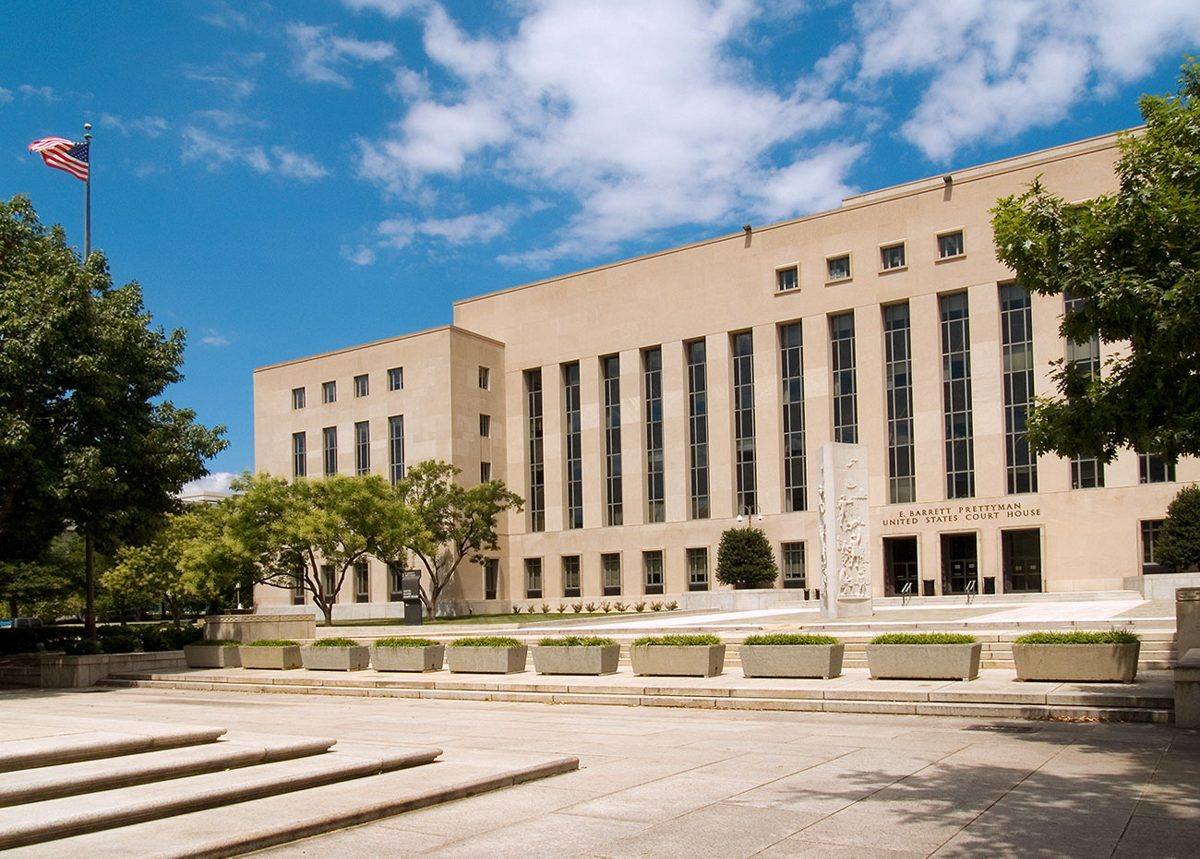
A federal judge in Washington, D.C., on Wednesday, November 25, barred the Federal Communications Commission (FCC) from taking any further action in its early licence renewal proceedings against ABC's eight company-owned television stations, ruling that the network is likely to prove the review was retaliation for speech protected by the First Amendment.
Source: Associated Press
U.S. District Judge Loren AliKhan granted Disney and ABC a preliminary injunction — along with a temporary restraining order — and rejected the FCC's motion to dismiss the companies' lawsuit. 'This is not a close case,' Judge AliKhan wrote, adding that ABC has a 'weighty interest in vindicating their right to be free of retaliation for [their] protected speech.'
Source: Reuters
What the judge found
Judge AliKhan concluded that Disney's lawyers had 'sufficiently cast the early license renewal proceedings as a retaliatory act.' Courts, she wrote, can infer retaliation from circumstantial evidence — including how closely the government's action followed the protected speech, the hostility the defendant expressed toward that speech, and the absence of a credible legitimate explanation. The FCC argued the licences were called in early because the agency was investigating whether Disney and ABC had discriminated in their employment practices. 'Although Defendants proffer a legitimate alternative explanation, the court does not find that explanation to be credible on the record before the court,' the judge wrote.
Source: Reason
The April order that started it
The case dates back to April 28, when the FCC ordered all eight of ABC's owned-and-operated stations to apply for early licence renewals within 30 days — by May 28 — even though their licences were not scheduled to come up for renewal until October 2028 at the earliest, and in some cases not until 2031. In a letter to Disney, ABC and the stations, David J. Brown, chief of the FCC's video division, wrote that calling in the licences early was 'essential within the meaning of agency regulations' under the Communications Act's public interest standard.
Source: TheWrap
The Kimmel joke behind the order
The FCC's order came one day after President Donald Trump and First Lady Melania Trump publicly called for the firing of late-night host Jimmy Kimmel over a joke in which Kimmel described the first lady as having the glow of 'an expectant widow.' The court counted eleven such calls by President Trump over the past two years for action against ABC — the most recent in July 2026 — and treated that pattern, together with the timing of the April order, as evidence pointing to retaliation.
Source: LateNighter
The lawsuit
Disney and ABC sued the FCC in August, calling the early review an unprecedented punishment of the network over its broadcast content. In September, the FCC asked the court to dismiss the case, calling it a 'meritless lawsuit' filed in the wrong court at the wrong time, and arguing it lacked jurisdiction. The Reporters Committee for Freedom of the Press filed a friend-of-the-court brief the same month urging the injunction, authored by former U.S. Solicitor General Donald B. Verrilli Jr.
Source: Reporters Committee for Freedom of the Press
An FCC spokesperson said after the ruling: 'The FCC has developed a voluminous record, and it will continue to follow the facts and the law wherever they lead.' The agency is chaired by Brendan Carr, a close ally of President Trump.
What the ruling does — and does not — do
The injunction stops the FCC from continuing the early review — including issuing a Hearing Designation Order — while the case plays out. It does not permanently decide the fate of ABC's licences, and it does not bar the FCC from continuing its separate investigation into Disney's employment practices.
What happens next
The FCC has until December 2 to report back to the court on its compliance with the injunction, and both sides must submit a joint proposal for the next steps in the litigation by December 9. As a condition of the injunction, ABC and Disney have been ordered to post a bond of $1. The case now continues toward a full hearing, and the judge's finding — that the network is likely to win on the retaliation claim — sets the terms for that fight. The ruling was widely read as a key test of the free-speech rights of American media outlets against government pressure, and a sharp check on the administration's campaign against broadcasters whose coverage it dislikes.
Source: LateNighter