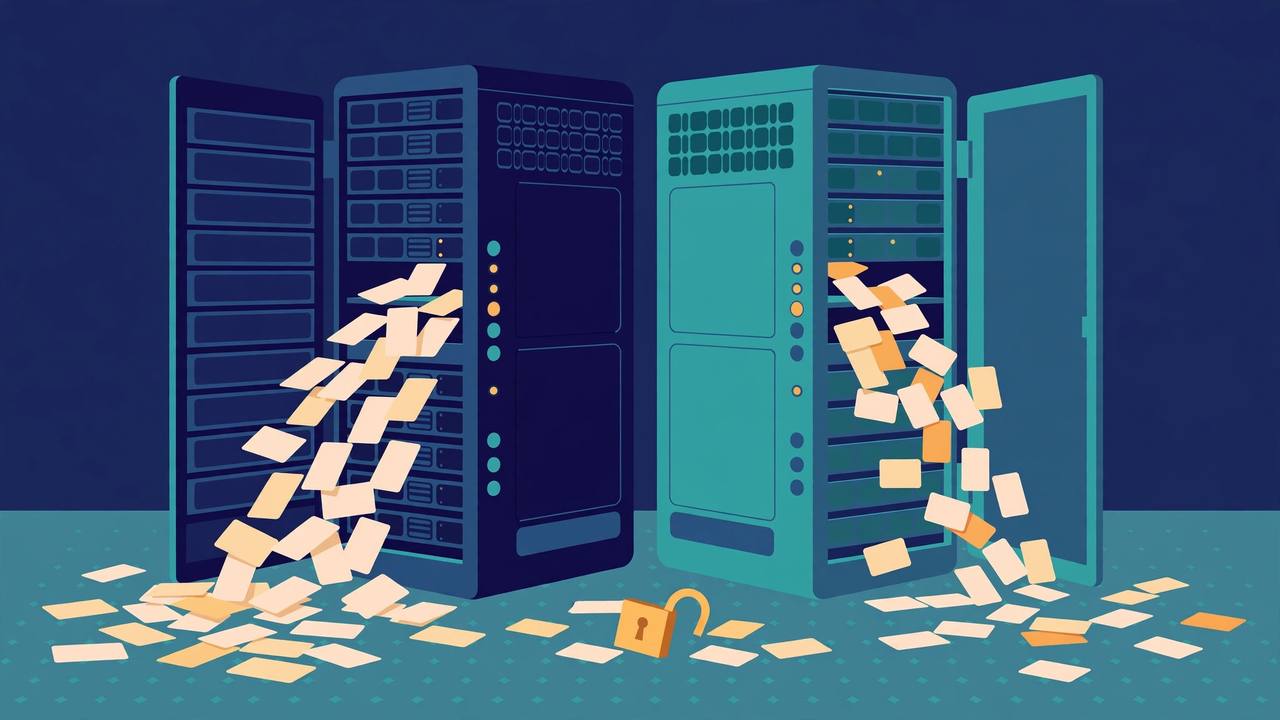
Two databases left open to the internet
More than 3.5 billion usernames, passwords and personal documents were exposed online in two unsecured databases, according to a WIRED report published on November 24, 2026.
Source: NDTV
Security researchers Greg Pollock and Jeremiah Fowler found the two databases independently. The owners of the databases could not be identified, and it remains unclear how long the data was publicly available or whether criminals accessed or downloaded it.
What was in the databases
Fowler's database held around 2 billion login credentials, including email addresses, usernames, passwords, browser cookies, session tokens and device information.
Pollock's database held more than 1.5 billion records, mainly linked to Chinese individuals and businesses, including at least 840 million distinct national identity numbers, 300 million phone numbers, around 11 million student records and nearly 8 million business registrations.
One of the troves also held around 400,000 documents appearing to contain information about people's lives, including passport and visa copies, tax documents and medical records. The exposed information covered accounts linked to major technology platforms, social media websites, government services, financial institutions and e-commerce platforms, and people in dozens of countries.
Databases taken offline; risk remains
The database of around 2 billion records was taken offline after Fowler contacted its hosting company, and the other database also became inaccessible during the investigation.
Use a strong, unique password for every account, switch on multi-factor authentication, never reuse passwords, keep software updated, and watch your accounts and credit reports for unusual activity.
This was not a hack of a named company. The databases were left unsecured and publicly accessible on the internet until researchers found them and had them taken down.