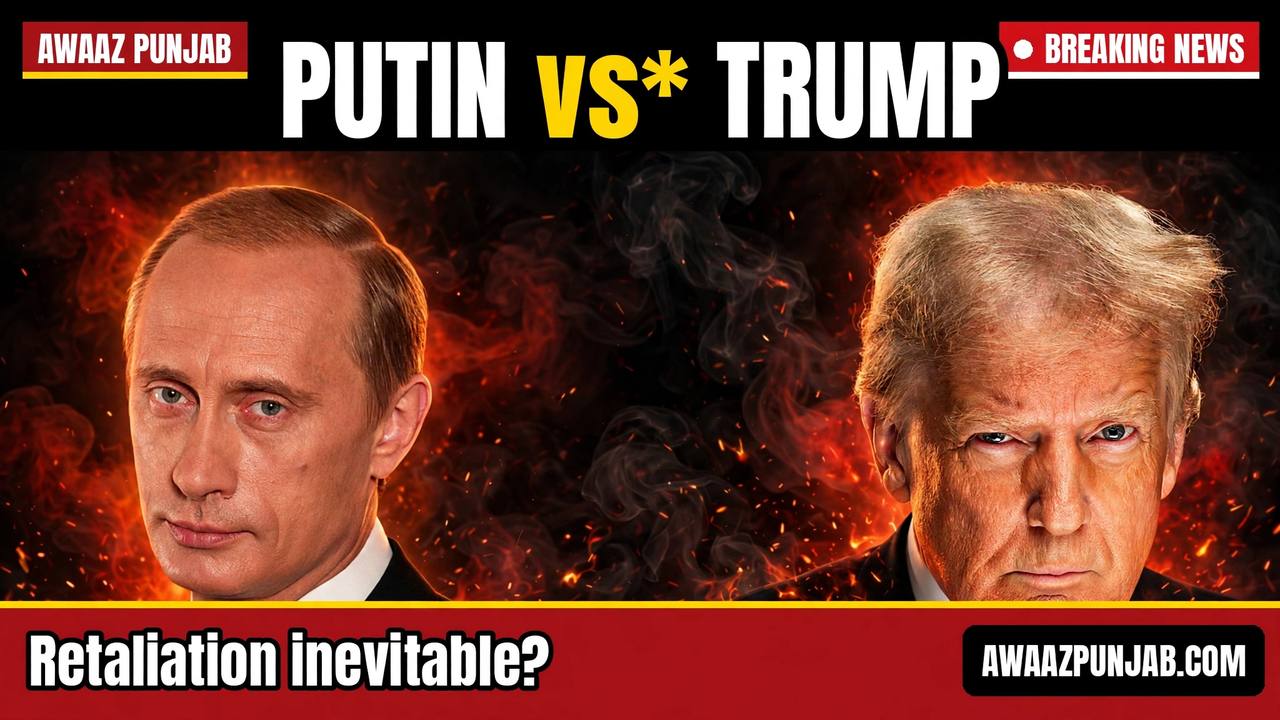
Russian President Vladimir Putin said on Tuesday that Ukraine has continued attacking Russian oil refineries despite a direct request from US President Donald Trump to stop, and warned that Russian retaliation is inevitable.
Source: Reuters
“We see that the Kyiv regime continues to attack our refining facilities, despite the US president’s appeal and direct request to refrain from such attacks. But the Kyiv authorities are ignoring this advice,” Putin told a meeting of government officials and senior oil executives in the Kremlin.
“In this regard, I would like to stress that retaliatory measures on our part are inevitable,” he said, adding that he wanted additional security measures for energy facilities.
Kyiv has said it will stop striking Russian energy targets only when Moscow does the same. Ukrainian Foreign Minister Andrii Sybiha, writing on X, said Putin could end the refinery strikes by halting the four-and-a-half-year-old war. “If Putin doesn’t like Ukraine’s strikes on his oil refineries, he can order an end to the war,” Sybiha wrote, adding: “Stop complaining. End the war.”
Source: AAP
The energy ceasefire that did not hold
Ukrainian strikes on Russian refineries subsided after Trump declared an energy ceasefire in mid-October, but they have picked up again since the end of last month. According to estimates from two industry sources cited by Reuters, Ukrainian drone attacks have cut Russian oil refineries’ combined crude processing volumes by 45% since late October.
Putin said the situation on Russia’s domestic fuel market remained difficult, but that petrol prices have stabilised after peaking in October. Ukraine has hit refineries across Russia in recent weeks, including three oil sites in a single night last week — refineries in Rostov and Perm and a Druzhba pumping station in Tatarstan.
Reuters sources had already reported in mid-November that drone strikes cut Russia’s daily oil refining by 45%, with 15 of 35 major refineries hit. Read the earlier report
Europe moves away from Russian gas
The European Union has decided to stop buying Russian seaborne liquefied natural gas from January 1, although Russian LNG supplies to Europe still reached around 13.7 million metric tons last year. Preliminary LSEG data showed Russian LNG exports to Europe rose about 6.3% year-on-year in the first 10 months of this year, totalling 11.8 million tons.
The war overnight
Russia attacked Ukraine with 96 strike drones overnight from November 23 into November 24, Ukrainian air defences said. By 08:00 on November 24, 73 of the 96 drones had been shot down or suppressed, with impacts recorded at 13 locations. Two people were killed in Zaporizhzhia, and regions including Vinnytsia and Zhytomyr reported injuries and damage to infrastructure.
Source: Al Jazeera
Ukraine’s General Staff reported 161 combat clashes over the previous day. President Volodymyr Zelenskyy has warned that Russia is preparing new strikes and urged allies to send more air-defence missiles, while about 60 Patriot interceptor missiles paid for by Kyiv’s Western allies are still being held up in Washington.
What is solid
- Putin said on Tuesday that retaliation for the refinery strikes is “inevitable”, at a Kremlin energy meeting.
- Kyiv says it will stop hitting Russian energy targets only when Moscow does the same.
- The EU will stop buying Russian seaborne LNG from January 1.
What is only claimed
- The 45% cut in refinery processing is an estimate from two industry sources, not a figure confirmed by Russian officials.
- Overnight drone interception figures are Kyiv’s figures and have not been independently verified.
What happens next will be watched in Kyiv, Washington and European capitals alike: whether Putin’s “inevitable” retaliation means a new wave of strikes on Ukraine’s energy grid as winter sets in, and whether Trump — whose request Kyiv is said to have ignored — responds to a warning aimed as much at Washington as at Kyiv.