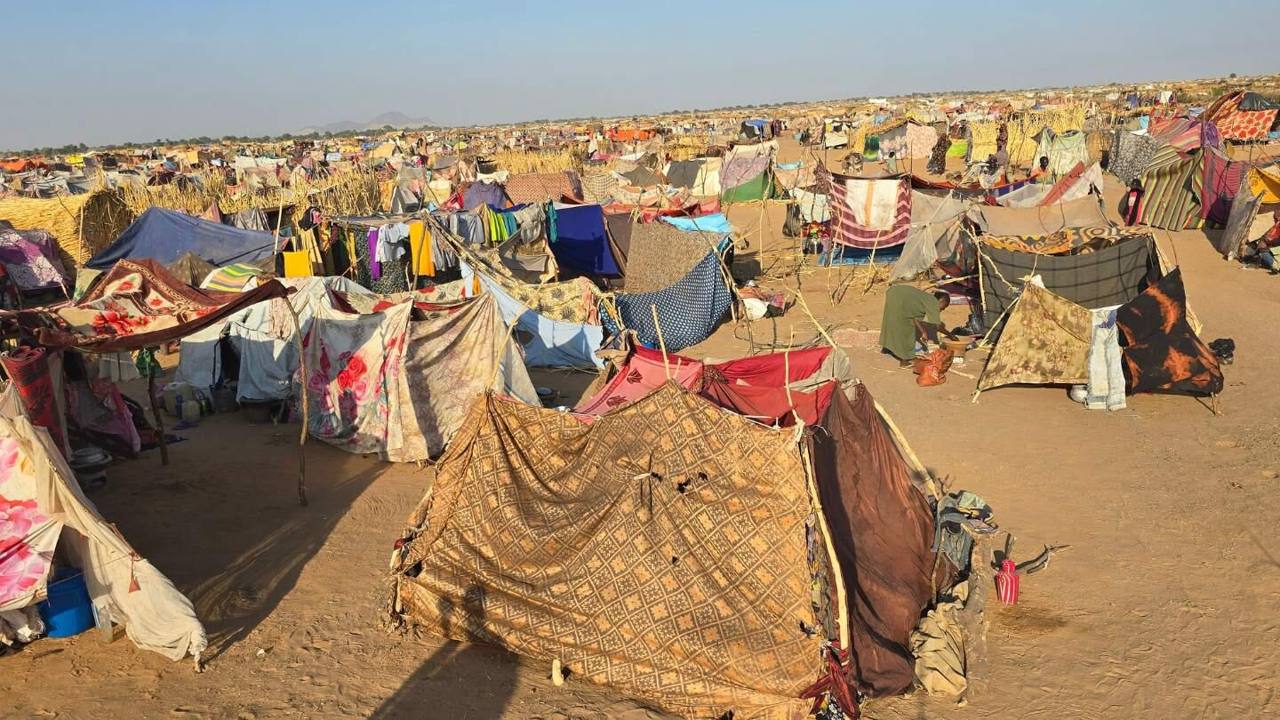
Nine civilians were killed and several others wounded on Tuesday morning, November 10, 2026, when drones struck Bani Shako village in the Al-Keili administrative unit of Al-Kurmuk locality, in Sudan's southeastern Blue Nile State, a local official said.
Source: The Eastleigh Voice
Al-Kurmuk Commissioner Abdel Aati Mohamed Al-Faki confirmed the incident and said all of those killed were civilians. A second report of the same official statement said the victims were displaced people who were on their way to the city of Damazin, the state capital, when the drones struck, and that some of the wounded were in serious condition.
Source: Uzax (reporting the commissioner's statement)
An accusation, not a confirmed attribution
Commissioner Al-Faki attributed the attack to the Rapid Support Forces, the paramilitary group that has fought Sudan's army since April 2023, and said the drones were launched from Ethiopian territory. Neither claim had been independently verified in the reports, the RSF had issued no statement on this strike in them, and Ethiopia has previously denied supporting the RSF or hosting its fighters — denials Khartoum has repeatedly disputed as Sudan accuses its neighbour over cross-border drone launches.
The Sudanese Observatory for Human Rights condemned the attack and called for an immediate end to strikes targeting civilians, villages and other populated areas. It also called on the international community and the UN Security Council to establish independent investigations into attacks on civilians and essential infrastructure, preserve evidence, and ensure protection for hospitals, health workers and humanitarian convoys.
Hospitals destroyed, measles spreading
The strike came hours after the same Observatory accused the RSF of destroying and vandalising health facilities in three North Darfur localities — Ambro Hospital and health centres in Ambro, Karnoi and Al-Tina — in a report titled "North Darfur: They Destroyed the Hospitals, Then Chased the Wounded". Doctors Without Borders (MSF), in its November 2026 report, said 70 to 80 per cent of health facilities in Sudan's conflict-affected areas are non-functional, recorded more than 28,000 measles patients at facilities it supports across the four Darfur states — 75 per cent of them unvaccinated and 69 per cent aged below five — and reported displaced people in Tawila, North Darfur, surviving on an average of just three litres of water a day, less than half the emergency minimum.
Blue Nile, on Sudan's border with Ethiopia, has become a second drone front in the war: in October a strike beside a displacement site at Abu Shandi killed dozens of displaced people, and in early November Khartoum filed complaints with the UN Security Council and the African Union accusing the RSF of launching drones from Ethiopian territory. Tuesday's dead were people who had already fled fighting once — killed, on the official account, while travelling toward the state capital.
What is solid
- Nine civilians were killed and several wounded in a Tuesday-morning drone strike on Bani Shako village, Al-Kurmuk locality, per the local commissioner, reported by two outlets
- The Sudanese Observatory for Human Rights condemned the strike and demanded independent investigations
- MSF reports 70-80% of health facilities in conflict areas non-functional and 28,000+ measles patients in Darfur facilities it supports
What is only claimed
- Who carried out the strike — the commissioner blames the RSF; no independent verification and no RSF statement in the reports
- Where the drones were launched from — the commissioner says Ethiopian territory; Ethiopia has previously denied supporting the RSF
What happens next: Sudan's war, begun in April 2023 when army chief Abdel Fattah al-Burhan and RSF commander Mohamed Hamdan Dagalo fell out over folding the paramilitary into the army, has displaced millions and left Darfur and the border states facing epidemics with a collapsed health system. No investigation into the Bani Shako strike had been announced in the reports, and aid access to Blue Nile's displaced communities remains the immediate test of the Observatory's demands.