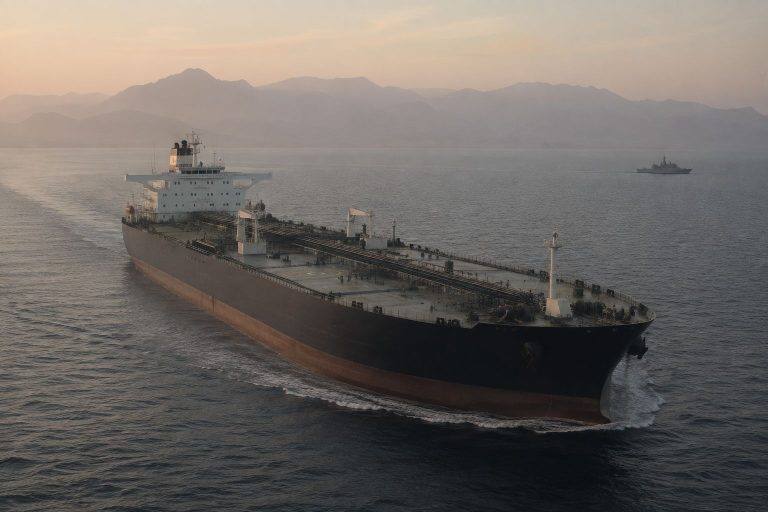
TEHRAN — Iran on Tuesday urged the United States to meet its demands to end the war, a day after President Donald Trump said the conflict was militarily "effectively over" and that he planned to hold off on new strikes. Foreign Minister Abbas Araghchi told Iran's IRNA news agency that the conflict "will not be resolved through military means, nor by intensifying sanctions", and that "the only solution is to adopt a language of respect, engage in diplomacy, and address Iran's demands and conditions — which were outlined in the two-day proposal and remain on the table".
Source: AFP, Nov 10 2026
This is a new development on Monday's story, in which Trump — after talks with Qatar's prime minister in Washington — said the war was militarily effectively over, that further strikes were unlikely for now, and that the US naval blockade of Iranian ports would stay. Tehran's answer came on Tuesday: Araghchi said the two-day Hormuz proposal remains on the table, security chief Mohsen Rezaei told Washington to surrender to Iran's seven conditions, and Araghchi dismissed reports of a Rezaei–Vance meeting as baseless. Read the earlier report: Trump says Iran war is 'effectively over' after Qatar PM talks
Tehran has proposed reopening the Strait of Hormuz, which it has blockaded since the start of the war, within two days in return for Washington meeting a raft of conditions. AFP listed them as ending the war on all fronts, unfreezing Iranian assets, lifting oil sanctions and ending the US counter-blockade of Iranian ports. Other Iranian accounts of the seven conditions also include lifting economic sanctions more broadly, reopening shipping lanes immediately and stopping intervention in Iran's internal affairs. No single official text publishing all seven in one place was available in the sources for this report, so the list is presented as reported, not as a verbatim document.
On Tuesday, Iran's security chief Mohsen Rezaei, secretary of the Supreme National Security Council, urged Washington to "surrender" to the Iranian demands, in posts reported by Iranian and regional media: "Stop playing. Stop making up news about imaginary negotiations. Do not deny the new order in West Asia — it is time to surrender to Iran's seven conditions." Rezaei's wording was a direct rejection of the suggestion, in Trump's Monday remarks, that momentum was building because Tehran was negotiating from weakness.
No Vance–Rezaei meeting, Tehran says
Araghchi also ruled out a meeting between top Iranian and American officials, calling reports of a possible meeting between Rezaei and US Vice President JD Vance "baseless speculations". "These speculations and media reports are entirely baseless, and there are no plans to hold such a meeting," Araghchi told IRNA on Tuesday. Press TV reported that Rezaei himself posted on X that there were no plans for dialogue with the American side, and that a senior Iranian security official had told Press TV on Monday there were no plans for negotiations. On Sunday, Araghchi had warned that Tehran would "rain down hell" if the United States resumed its attacks, and wrote that the two-day proposal stood: meet the requirements, including an end to the war on all fronts, "and you will see results".
The two-day proposal itself was first reported in full by this desk on November 8, when Araghchi set it out alongside the 'rain down hell' warning. Read the earlier story: Araghchi's two-day Hormuz proposal and warning to Trump
Background: the war, Hormuz and the oil market
The war began on February 28 with US and Israeli strikes on Iran. Iran's blockade of the Strait of Hormuz — the waterway through which about a fifth of the world's traded oil and gas passed before the war — became Tehran's main leverage, while the United States imposed its own counter-blockade of Iranian ports. For Punjabi and Indian workers across the Gulf, and for families who depend on Gulf shipping, energy jobs and remittances, whether Hormuz reopens is a direct livelihood question, not only a diplomatic one. Oil markets moved on Tuesday's exchange of statements: Brent fell 70 cents, or 0.75%, to $91.88 a barrel by 0246 GMT and WTI fell to $86.07, Reuters reported, adding to Monday's 5.85% Brent fall after Trump downplayed new strikes — while traders noted that attacks on shipping around Hormuz were still occurring and that the blockade remained in place.
What is solid
- Araghchi told IRNA on Tuesday that the war will not be resolved by military means or more sanctions, and that Iran's demands in the two-day proposal remain on the table — AFP / IRNA
- Araghchi dismissed reports of a Rezaei–Vance meeting as baseless and said no such meeting is planned — Press TV / IRNA
- Trump said on Monday, after Qatar PM talks, that the war was militarily effectively over and that he would hold off on new strikes while keeping the naval blockade — Reuters
What is only claimed
- Whether any real negotiation is under way: Trump spoke of positive momentum on Monday; Rezaei on Tuesday accused Washington of making up news about imaginary negotiations, and Tehran says no meeting is planned
- The full text of the seven conditions: AFP and other reports list overlapping conditions — end the war on all fronts, lift the blockade and oil sanctions, unfreeze assets — but no single published official list was available in these sources
What happens next: Tehran says the choice now rests with Washington — accept the conditions and Hormuz can reopen within two days, or the blockade and the standoff continue. The United States has not, in the sources for this report, announced acceptance of the conditions, a date for direct talks, or any lifting of its counter-blockade. A US response to the Tuesday statements, a verified move on shipping through Hormuz, or a confirmed meeting would each be a major new development on this story.