The United States military said on Friday it disabled a commercial ship in the Gulf of Oman after the vessel tried to run the American naval blockade of Iranian ports, in the latest strike in a maritime campaign that has now hit at least 15 ships since April.
Source: Reuters
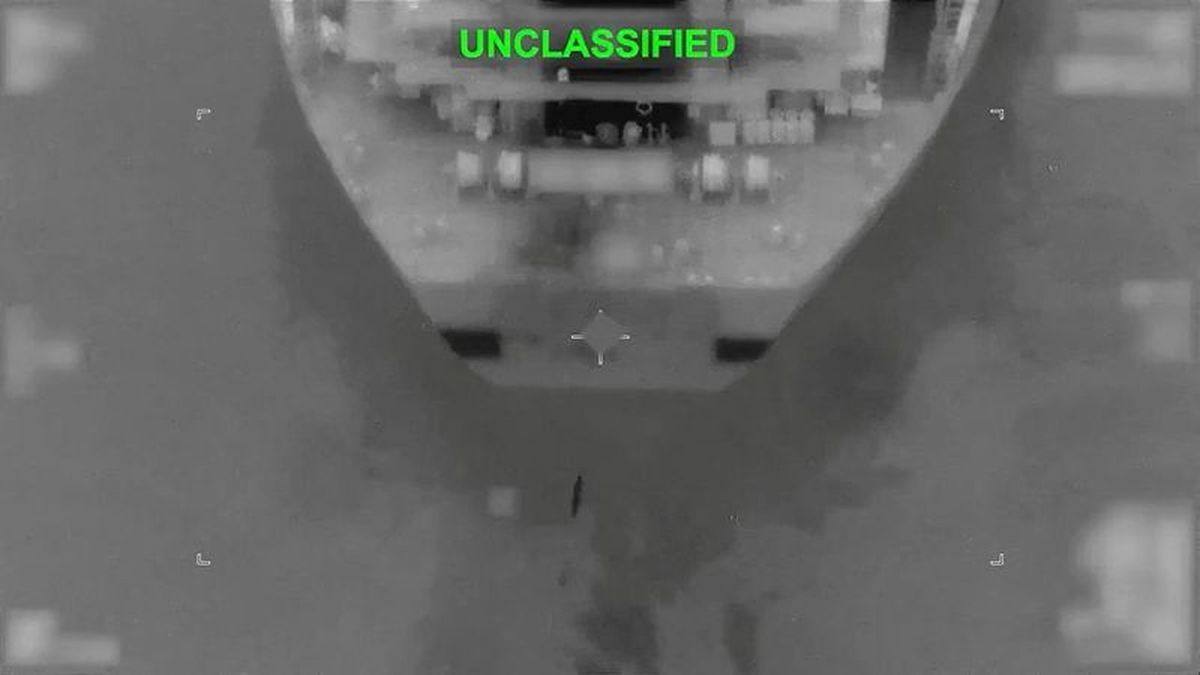
US Central Command said military aircraft launched precision munitions that struck the stern of the Palau-flagged bulk carrier M/V Pacific Archer on Thursday, after it departed the Iranian port city of Bandar Abbas. The ship's propulsion was disabled, and the civilian crew was unharmed, the command said.
Source: US Central Command
Repeated warnings before the strike
CENTCOM said the Pacific Archer received multiple warnings before the strike was launched. The command did not identify the aircraft involved or disclose what cargo the ship was carrying. Ship-tracking data reported the vessel's intended destination as Singapore.
The Pacific Archer is a bulk carrier, not an oil tanker — a distinction that matters because the blockade has mostly been enforced against tankers carrying Iranian oil. The command released handout video of the strike, showing a projectile heading toward the vessel.
Tehran vows Hormuz will stay shut
Meanwhile, Mohammad Mokhber, an adviser to Iran's Supreme Leader, said: "Neither will the Strait of Hormuz be reopened, nor will we allow the blockade to remain in place," Iranian state media reported. Mokhber gave no details of Iran's plans for breaking the embargo.
Source: Reuters
On November 20, Iran was reported to be readying a convoy of 14 tankers at Kharg Island to test the American naval blockade. Read the convoy story
The blockade so far
The United States reimposed its naval blockade on Iranian ports in July. Earlier this month it announced Task Force Iron Gate, aimed at restricting the movement of weapons and sanctioned materials across Iran's land borders and the Caspian Sea. The same pattern played out on November 7, when American forces disabled the cargo ship M/V Huda in the same waters for running the blockade.
Oil markets have been on edge through the campaign. Brent crude settled at $96.57 a barrel on Thursday, up $1.96, near its highest level of the month, as attacks on tankers in the Strait of Hormuz and on Saudi energy infrastructure fed concern over Middle East supplies, Reuters reported.
Source: Reuters
What it means for Gulf shipping and its workers
The Gulf's shipping lanes carry the livelihoods of lakhs of Indian and Punjabi seafarers, and every strike raises the danger for civilian crews sailing through Hormuz and the Gulf of Oman. The Pacific Archer's crew escaped unharmed this time, but a seafarer was found dead aboard an ADNOC vessel in the Strait of Hormuz earlier this week, a reminder of how exposed the men working these waters are.
For India, which buys Gulf crude and sends large numbers of workers to the region, any disruption in Hormuz shipping feeds straight into fuel prices and remittance flows. Traders will now watch whether Tehran follows through on its threat to send a tanker convoy out — the next test of a blockade Washington has said it will enforce by force.
What happens next
Washington has given no sign of easing the blockade, and Tehran has given no details of how it intends to break it. If Iran does send a convoy, the Gulf of Oman is where the two sides will meet next — and where the next vessel could be stopped the same way.
What is solid
- US aircraft struck the stern of the Palau-flagged M/V Pacific Archer in the Gulf of Oman on November 26, disabling its propulsion.
- The civilian crew was unharmed, according to US Central Command.
- It was the sixth vessel struck since the blockade was reimposed in July.
What is only claimed
- Whether Iran will send a tanker convoy to test the blockade — Tehran has spoken of breaking the embargo but given no details.
- What cargo the Pacific Archer was carrying — CENTCOM did not disclose it.