This follows our earlier report on Tedros's visit to Cuba and the island's collapsing hospitals — the WHO support package announced on Tuesday is the pledge that report said to watch for. Read the earlier report
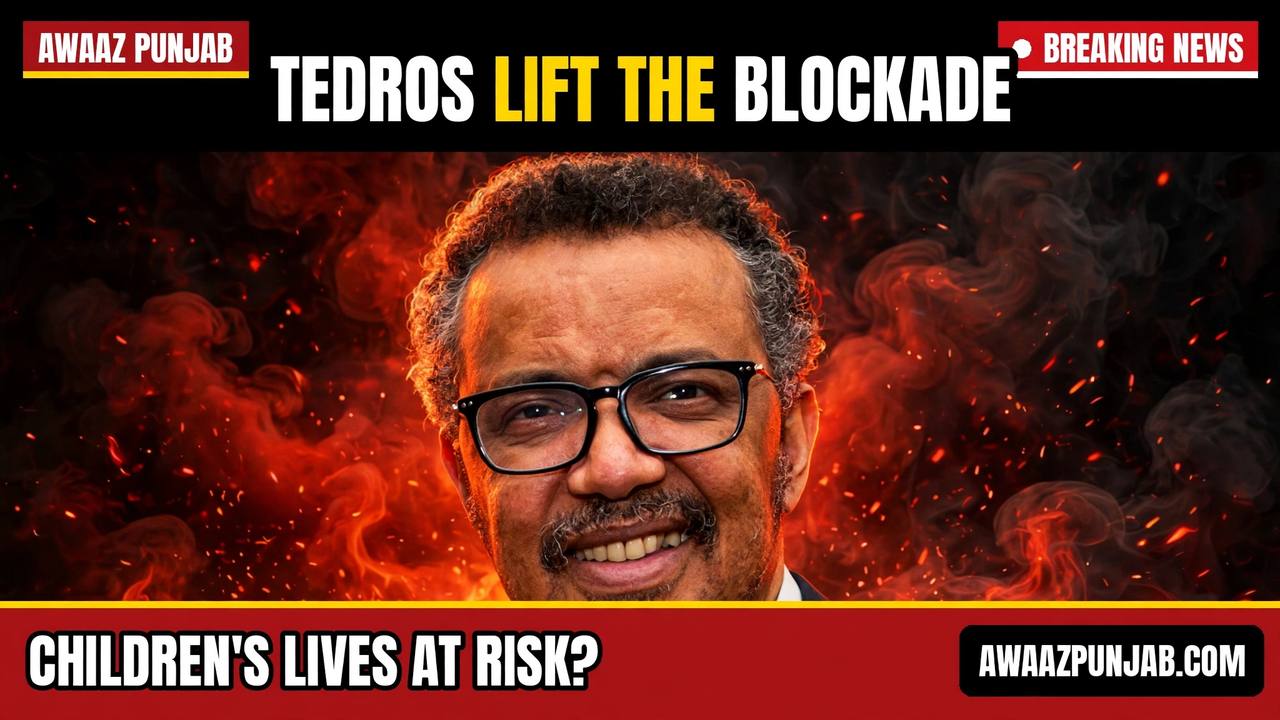
HAVANA — The head of the World Health Organization called on Tuesday for the United States to immediately lift its fuel blockade on Cuba, warning that the measure is putting children's lives at risk.
Source: Reuters
"The intensification of fuel restrictions and sanctions is causing direct harm to the Cuban people, especially the most vulnerable," Director-General Tedros Adhanom Ghebreyesus said during his visit to Havana, according to Reuters.
The call came as the WHO announced US$2 million — yaani 20 lakh dollars — to strengthen Cuba's national immunisation programme and provide essential medical equipment to health facilities.
Source: WHO
A health system running in the dark
Tedros arrived in Havana on Sunday, November 22, for a three-day visit at the invitation of Cuba's Public Health Minister, Dr José Ángel Portal Miranda. On Monday he toured a darkened paediatric cardiology centre in the capital.
Hospitals across the island face shortages of syringes, gauze, vaccines and anaesthetics, and lack spare parts to repair equipment such as haemodialysis machines and CT scanners. A government report released in June said survival for children with cancer had fallen to 65% from 85% before the energy blockade began in January.
Tedros has also voiced concern at rising infant, child and maternal mortality, linking the trend to the energy crisis.
What the blockade means
The United States has maintained an embargo on Cuba for decades, and the United Nations has repeatedly warned of a growing humanitarian crisis on the island, calling the US fuel blockade a violation of international law and the human rights of all Cubans, Reuters reported. An annual non-binding UN General Assembly resolution calling for an end to the US embargo has passed by wide margins every year since 1992.
Analysts say the crisis has been compounded by fuel shortages they blame on tightened US sanctions on the island's energy sector, worsening an economy that had already been limping for years.
What is solid
- Tedros is in Havana on a three-day visit that began on Sunday, November 22.
- WHO announced US$2 million for Cuba's immunisation programme and medical equipment on Tuesday.
- Cuba's child cancer survival rate fell to 65% from 85%, according to a June government report.
What is only claimed
- The precise scale of medicine and fuel shortages — most figures come from Cuban government reports and have not been independently verified.
- Whether Washington will respond to Tedros's call — the US has not publicly answered the WHO chief's demand.
What happens next
Tedros's visit ends on Tuesday. The WHO said its new funding will support Cuban health-sector priorities, with a focus on the national immunisation programme, especially vaccination for children and adults. Between 2025 and 2026, WHO and PAHO have mobilised more than US$14 million — yaani 1.4 crore dollars — through 14 projects to support health services on the island.
Whether Washington answers the WHO chief's call — and whether the $2 million pledge reaches hospitals fast enough to change conditions on the ground — will be the next things to watch.