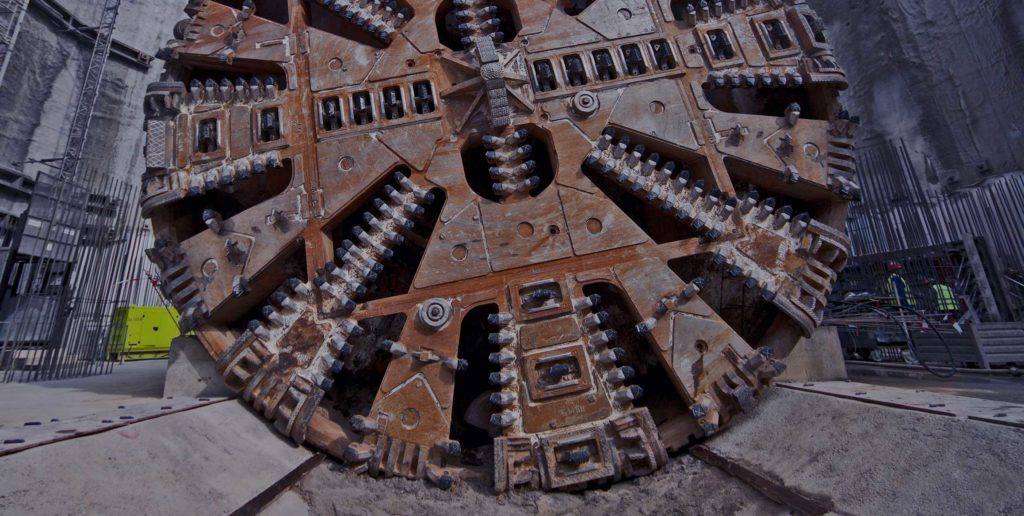
BEML Ltd, the state-owned defence and engineering company, aims to develop tunnel-boring machines (TBMs) in India in a bet that the infrastructure boom can support a homegrown effort to replace foreign suppliers, its Chairman and Managing Director Shantanu Roy said in an interview with Reuters published on Thursday.
Source: Reuters interview via TradingView
The company plans to initially focus on smaller TBMs, between 3.5 metres and 6.5 metres in diameter, used in metro rail, hydropower, irrigation and water projects, before expanding into larger equipment. "We have done our homework," Roy said, adding "we are ready with a plan." BEML, which makes military and mining vehicles and rail cars, is onboarding a global consultant to support the effort, and aims to develop proprietary technology instead of assembling imported kits. "It will be an indigenous technology," Roy said. "The IP will be Indian."
Source: Reuters interview via TradingView
India is among the biggest users of tunnelling machines as it accelerates spending on transportation and underground infrastructure. The scale of the dependence is visible on the country's flagship rail project: the TBMs excavating the Mumbai section of India's first bullet-train line have cutter-heads about 13.6 metres in diameter and were manufactured by Germany's Herrenknecht AG at its facility in China, Reuters noted.
Source: Reuters interview via TradingView
China's export curbs sharpened the push
The BEML plan comes after China announced export controls on tunnel-boring machines and related specialised equipment on October 19, with a licensing framework taking effect on November 18, as reported by The Hindu BusinessLine and The Indian Express. Commerce and Industry Minister Piyush Goyal told a student forum in Delhi on November 3 that if China does not supply tunnel-boring machines, India will develop them, Business Standard reported. Roy told Reuters that while China's tightening of export controls has underscored India's dependence on overseas suppliers, BEML's plans were already in motion.
Source: The Hindu BusinessLine / Business Standard, via BharatBeat explainer
BEML sees the market growing quickly. Road Transport and Highways Minister Nitin Gadkari has said the country aims to invest up to $9.6 billion in tunnelling projects over the next five years, and demand is also being driven by strategic road and railway projects across India's Himalayan frontier with China, where difficult terrain requires extensive tunnelling. Roy estimates India's TBM market could expand about 12 per cent annually over the next seven to eight years, roughly twice the pace of the global market.
Source: Reuters interview via TradingView
The ambition is still at an early stage. BEML expects it would take about 22 months to deliver its first machine after winning a contract, and Roy said the company would "gradually move on to the next level" towards larger machines. Reuters noted that India has repeatedly sought to reduce dependence on Chinese supply chains in strategic sectors, only to find that building local manufacturing ecosystems takes longer than building assembly capacity, citing the rare-earth magnet and solar manufacturing experiences.
Source: Reuters interview via TradingView
What to watch next is BEML's consultant onboarding and its first TBM order, alongside the November 18 start of China's export licensing for tunnelling equipment, which will test how quickly Indian projects can source machines from non-Chinese suppliers.