Latest News — Punjab, India, USA and the World
Awaaz Punjab is an independent digital news platform publishing original, source-verified reporting in English, Punjabi and Hindi. Every story below is published with its sources named and dated, and every article is available in all three languages. Our newsroom covers Punjab first — its politics, districts and the road to the 2027 assembly election — along with India, the Punjabi diaspora in the USA and Canada, and world affairs that touch Punjab's people, from the Gulf to North America.
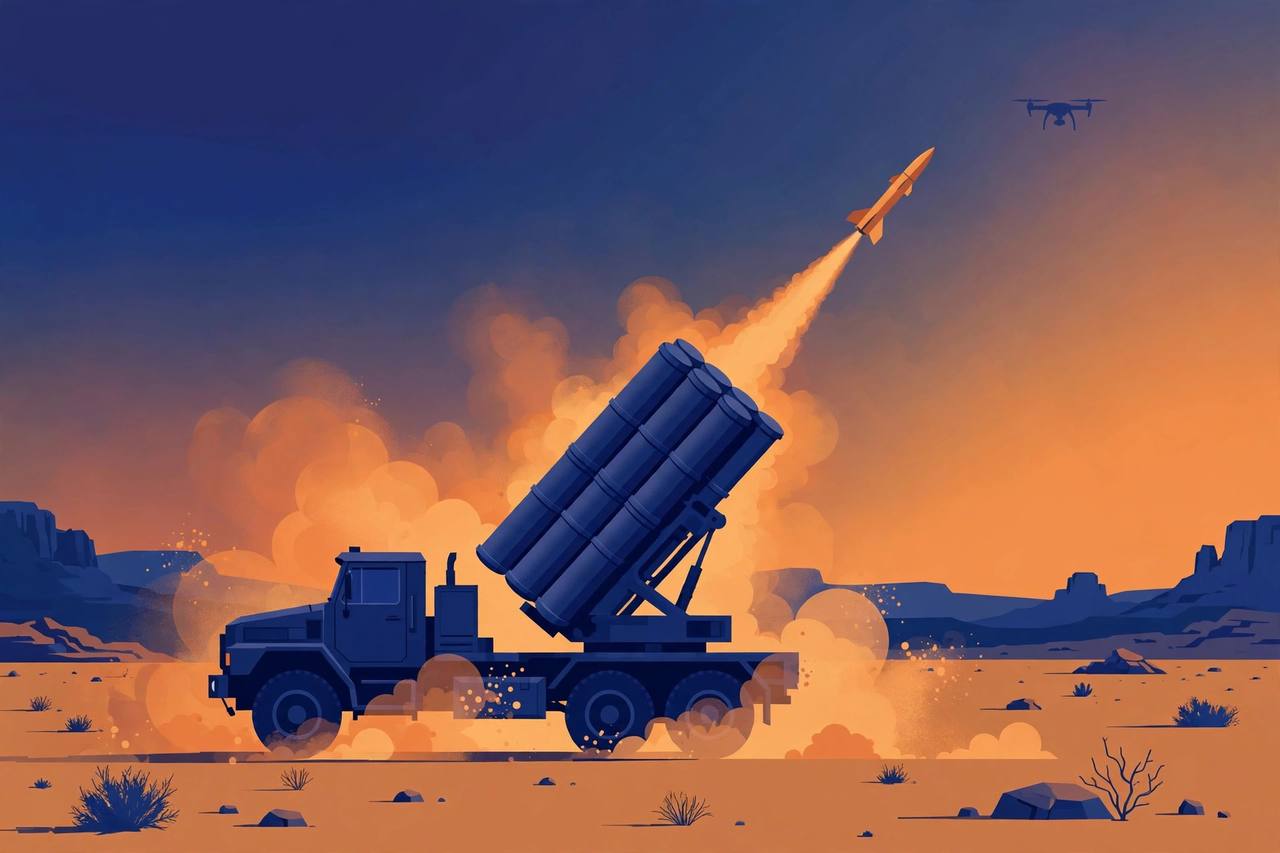
In exclusive Sunday comments to Fox News, the US president said he is inclined to order fresh military strikes against Iran after the new year if negotiations fail, called Iranian negotiators 'professional tap dancers', dared Tehran to test the naval blockade, and told Iranian protesters to 'keep protesting'.
Published 2026-11-22 · Awaaz Punjab
Fires broke out at Novoshakhtinsk, Perm and Kaleikino in an overnight drone wave; Russia said it shot down nearly 200 drones and reported no casualties at two of the sites.
Published 2026-11-23 · Awaaz Punjab
Three others were seriously injured in the early-morning crash near Chhatikara Bridge; the car was carrying seven people from Madhya Pradesh towards Vrindavan.
Published 2026-11-23 · Awaaz Punjab
Fourteen patients treated with the FDA-approved drug baxdrostat for 6 to 12 months still had lower blood pressure up to two years after stopping — and just under a quarter came off all treatment with normal readings. Doctors call the findings extraordinary, but stress the study is small and a larger trial is now under way.
Published 2026-11-23 · Awaaz Punjab
FDA testing found progesterone, estradiol or DHEA in samples of six ORL Organic Oral Care products — including three made for children. The Scottsdale company blames cross-contamination, and the agency has not said how much of any hormone was found.
Published 2026-11-23 · Awaaz Punjab
Prime Minister Nikol Pashinyan says he is staking his 'entire political, human and moral credibility' on the new charter, which drops the Nagorno-Karabakh reunification reference that blocked a formal peace deal — but he still needs opposition votes to put it to a referendum.
Published 2026-11-23 · Awaaz Punjab
The Federation of Automobile Dealers Associations says 55,25,490 vehicles were retailed in the 42-day festive period, up 2.21% on last year — with electric vehicles crossing five lakh units in a single festive season for the first time.
Published 2026-11-23 · Awaaz Punjab
The SUV, carrying four people to a wedding, hit a truck parked on the roadside near Chhulaha village on the Anuppur–Jaithari road at around 4 a.m. on Monday. Three men died and a fourth is seriously injured; police have filed a case and are examining CCTV footage.
Published 2026-11-23 · Awaaz Punjab
One person was killed and two were injured early Sunday when a car fleeing Marin County deputies crossed into oncoming lanes on Highway 37 in Novato and crashed head-on into another vehicle, minutes after deputies had called off the pursuit.
Published 2026-11-23 · Awaaz Punjab
BJP Punjab president Kewal Singh Dhillon on Monday announced a 16-member State Election Committee, naming senior leaders including Manpreet Singh Badal, Sunil Jakhar and Tarun Chugh, with three special invitees, as the party steps up preparations for the 2027 Punjab Assembly elections.
Published 2026-11-23 · Awaaz Punjab
Warsaw says Moscow's agents targeted Albert Vasiliev in Poland in August — weeks before a second plot near Copenhagen. Denmark has expelled a Russian diplomat and will ask the EU for tougher measures this week.
Published 2026-11-23 · Awaaz Punjab
In Zawtar al-Gharbiyah, families who came home in July found houses occupied, burned and rigged with explosives — the first test of a U.S.-brokered plan to hand southern Lebanon back to its army and keep Hezbollah out.
Published 2026-11-23 · Awaaz Punjab
A deputy escorting a woman from a home on Calleystone Way was shot multiple times early Sunday; two other deputies returned fire, killing the gunman. The deputy survived emergency surgery and is recovering.
Published 2026-11-23 · Awaaz Punjab
Police say the deaths in Arvaliya village, under Eintkhedi police station limits, followed a domestic dispute on Saturday. The three died during treatment at Hamidia Hospital on Saturday night, and an investigation is under way.
Published 2026-11-23 · Awaaz Punjab
Up to 160,000 gallons of untreated sewage spilled into the San Diego River after a pipeline connection failed near Mission Trails on Thursday night; the county has closed Dog Beach to water contact until tests show it is safe, and officials have since revised the maximum spill estimate to 37,700 gallons.
Published 2026-11-23 · Awaaz Punjab
The court-appointed mediation by former judge Justice L. Nageswara Rao could not settle the feud between Bharat Forge chairman Baba Kalyani and his sister Sugandha Hiremath over ancestral assets said to be worth over ₹1 lakh crore. The bench has asked the parties to consider arbitration and listed the matter after two weeks.
Published 2026-11-23 · Awaaz Punjab
A 33-year-old Macon man was killed Sunday afternoon when his pickup truck overturned in a construction area at the I-16/I-75 interchange. The Bibb County Sheriff's Office is investigating what caused the crash.
Published 2026-11-23 · Awaaz Punjab
Oxfam and the Conflict and Environment Observatory say Israel's military assault has left Gaza's air, soil and water dangerous for decades to come, with contamination indicators across more than 99% of the territory — and no full on-the-ground assessment has yet been possible.
Published 2026-11-23 · Awaaz Punjab
Indian benchmarks gave up a strong opening on Monday and fell sharply by early afternoon, with banks and metals leading the slide as global markets sold off on US–Iran tensions and crude worries. The Sensex was down 1,138 points by 1:29 pm IST, a day after closing at nine-month highs.
Published 2026-11-23 · Awaaz Punjab
A Taliparamba court on Monday convicted three BJP-RSS workers of murdering CPI(M) leader C.V. Dhanaraj in Kannur in July 2016, acquitted 16 others, and said it will pronounce the sentences on November 25.
Published 2026-11-23 · Awaaz Punjab
Dallas police say Juan Gonzalez-Orduna, 29, was arrested on a murder charge in the November 15 shooting of Stephanie Gonzalez, 35, who was shot in her SUV on the C.F. Hawn Freeway after a crash — on her 35th birthday. For a week police had named no suspect; the motive is still under investigation.
Published 2026-11-23 · Awaaz Punjab
Foreign Ministry spokesperson Esmaeil Baghaei issued the warning at his weekly press conference in Tehran on Monday, as the US blockade squeezes Iran's oil exports and tankers come under attack near the Strait of Hormuz.
Published 2026-11-23 · Awaaz Punjab
Oil ministry data shows household LPG use fell 11.8% in October as biometric e-KYC and OTP-based delivery weeded out duplicate connections — and no new connections have been issued since March.
Published 2026-11-23 · Awaaz Punjab
Prime Minister Narendra Modi announced the Development Cooperation Package — worth 240 billion Nepali rupees ($1.62 billion) — after talks with Nepal Prime Minister Balendra Shah in New Delhi on Monday, alongside a new Ayodhya–Janakpur train service and a clutch of cross-border road, energy and trade projects.
Published 2026-11-23 · Awaaz Punjab
Published 2026-11-23 · Awaaz Punjab
Published 2026-11-23 · Awaaz Punjab
Published 2026-11-22 · Awaaz Punjab
Published 2026-11-22 · Awaaz Punjab
Published 2026-11-22 · Awaaz Punjab
Published 2026-11-22 · Awaaz Punjab
Published 2026-11-23 · Awaaz Punjab
Published 2026-11-23 · Awaaz Punjab
Published 2026-11-23 · Awaaz Punjab
Published 2026-11-23 · Awaaz Punjab
Published 2026-11-23 · Awaaz Punjab
Published 2026-11-23 · Awaaz Punjab
Published 2026-11-20 · Awaaz Punjab
Published 2026-11-23 · Awaaz Punjab
Published 2026-11-23 · Awaaz Punjab
Published 2026-11-23 · Awaaz Punjab
Published 2026-11-23 · Awaaz Punjab
Published 2026-11-23 · Awaaz Punjab
Published 2026-11-23 · Awaaz Punjab
Published 2026-11-23 · Awaaz Punjab
Published 2026-11-23 · Awaaz Punjab
Published 2026-11-23 · Awaaz Punjab
Published 2026-11-23 · Awaaz Punjab
Published 2026-11-23 · Awaaz Punjab
Published 2026-11-23 · Awaaz Punjab
Published 2026-10-22 · Awaaz Punjab
Published 2026-10-19 · Awaaz Punjab
Published 2026-10-18 · Awaaz Punjab
Published 2026-10-18 · Awaaz Punjab
Published 2026-10-18 · Awaaz Punjab
Published 2026-10-18 · Awaaz Punjab
Original Reporting — Only on Awaaz Punjab
Some of what we publish exists nowhere else: our numbered Awaaz Punjab Jaanch Reports are original, document-based investigations, and our Punjab Election 2027 hub tracks all nine parties and all 117 MLAs with their official 2022 affidavit data, a promise-by-promise Vaada Tracker and reader polls — a permanent public archive built from primary records.
More from Awaaz Punjab
Our Editorial Standards
How we work: every story is checked against at least two independent, reputable sources before publication; allegations are labelled as allegations; figures carry the name of the outlet or agency that reported them and the date; corrections are published openly. Read our full verification method on the How We Verify page, our data desks on the School, Podcast and SUNO audio pages, and our numbered original investigations in the Investigations section.
Awaaz Punjab is an independent, trilingual newsroom — for Punjab, by Punjabis. We do not sell aggregated news; we publish investigations that stand on sources, with the outlet and date attached to every claim. Our first beat is Punjab's drug crisis, our second is Punjab politics. From Amritsar to Toronto — wherever a Punjabi lives, Awaaz Punjab reaches.