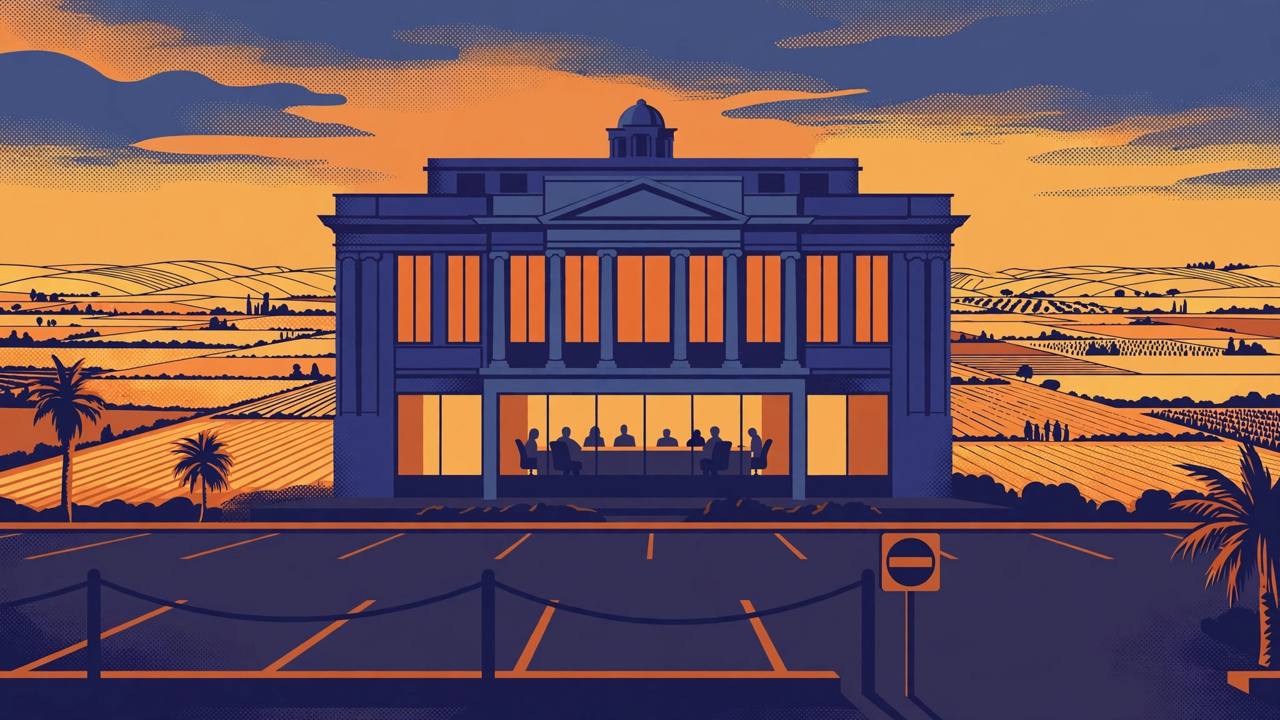
The Fresno City Council was set to vote on Thursday, November 12, on a resolution that would bar federal immigration officers from using city-owned or city-controlled property to stage immigration arrests — one of the last acts of Councilmember Annalisa Perea before she leaves City Hall for the state Assembly in Sacramento.
Source: Independent in the Field (GV Wire reporting)
The resolution, sponsored by Perea, who represents District 1, and cosponsored by Councilmember Nelson Esparza, is on the agenda for Thursday's council meeting at Fresno City Hall, 2600 Fresno Street. Perea planned to discuss the proposal at a news conference the same day. If the council passes it, the resolution could still be vetoed by Mayor Jerry Dyer.
What the resolution would actually do
The legislation says that no city employee or contractor "shall knowingly authorize or voluntarily permit City-owned or City-controlled property to be used for staging immigration enforcement operations." The ban would also cover using city property for temporarily detaining individuals for immigration purposes, for surveillance, or as a "logistical hub" for federal operations.
"Nothing in this resolution shall prohibit federal officers from entering areas of City property generally open to the public" to enforce non-immigration laws. The resolution does not define its key terms, lists no penalties for ICE or for city officials who do not comply, and does not name who would enforce it — it directs the city manager to develop procedures to monitor and report "unauthorized" use of city property.
An earlier version of the resolution banned "civil immigration enforcement" on city property; the current version removed the word "civil," widening the wording. The resolution also does not mention any specific incident of ICE using Fresno city property to conduct raids. Fresno would follow San Francisco, Los Angeles and Berkeley, which already restrict ICE's use of city-owned property.
Why Fresno, and why now
The city-level move lands on top of a state law moving the same direction. AB 1807, signed by Governor Gavin Newsom on September 29, 2026, bans ICE from using state property for staging, processing or detention. It takes effect on January 1, 2027, and state agencies must have procedures in place to document prohibited uses and notify the Attorney General's office by July 1, 2027.
Source: City of Fresno legislation record (Legistar)
It is also the council's second major immigration vote in three weeks. On October 22, the council voted 5-1 to set up a $1 million legal defense fund for immigrants in the city facing deportation, restricting eligibility to residents of the city who have not been convicted of a criminal offense. That vote followed a stepped-up federal immigration enforcement operation across the Central Valley that began in early October, and state Assemblymember Esmeralda Soria separately announced $3 million in state funding for eight non-profit organizations supporting immigrants in the region.
Source: Fresnoland
Washington's answer, before the vote
The Department of Homeland Security responded before the council had even voted. "We remain disappointed that sanctuary politicians seek to limit cooperation with ICE, as our law enforcement are simply fulfilling their sworn duties to serve and protect our communities," a DHS spokesperson said. The department pointed to the Supremacy Clause of the U.S. Constitution — the provision that makes federal law supreme over state and local rules — an argument federal officials have used against similar city measures elsewhere.
Source: Independent in the Field (GV Wire reporting)
What it means in the Central Valley — and what happens next
Fresno is the largest city in California's Central Valley, a farming region where immigrant workers — including a large Punjabi community of farm families, truckers and small-business owners along the Highway 99 corridor — form a significant part of daily economic life. Supporters of measures like this one say they are meant to keep residents willing to call police, send children to school and use city services without fearing that a city parking lot or plaza could double as a staging ground for an arrest operation. Critics, including federal officials, say the measures obstruct lawful enforcement and cannot override federal authority.
What happens next is procedural. The council votes on Thursday; a passed resolution goes to Mayor Dyer, who holds veto power. Perea, who won the Assembly District 31 seat on November 3, leaves the council on December 7 — so whether the measure survives a veto fight, and who in Fresno would monitor city property for the "unauthorized" use the text describes, will be settled largely after its author has left for Sacramento.