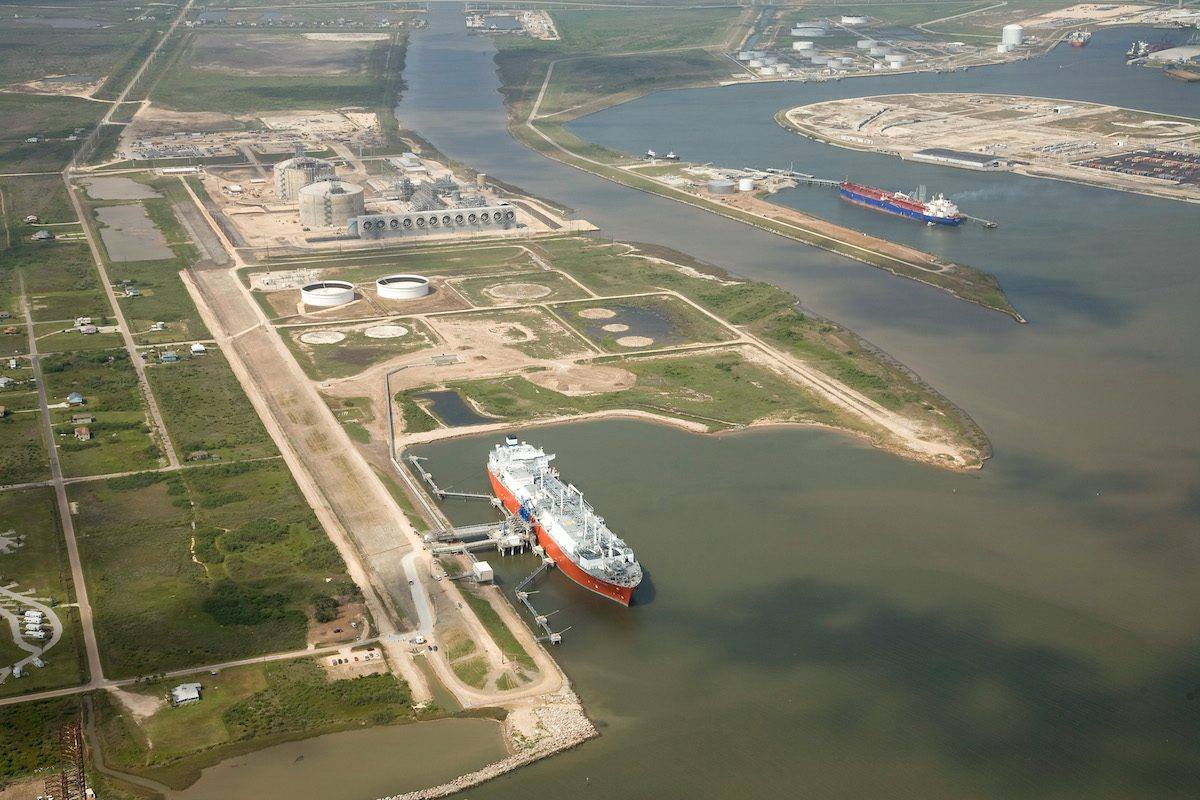
The United States has beaten all of its oil and gas export records in 2026, cementing its place as the world's biggest exporter of liquefied natural gas (LNG), propane and ethane — and one of its largest crude oil exporters — as war in the Middle East pushes buyers toward American supply, according to data from Reuters, Kpler and the US Energy Information Administration (EIA) reported by OilPrice on November 22.
Source: OilPrice
LNG leads the surge
The LNG story is the biggest one. Estimated pipeline deliveries to every US LNG plant climbed to about 21.8 billion cubic feet a day on Saturday, November 14 — an all-time high and more than 12% above the level a year earlier, according to BloombergNEF data reported by Bloomberg. Flows to the Golden Pass terminal in Texas hit a record, and Sabine Pass in Louisiana ran at its highest rate since April.
Source: Bloomberg
October shipments reached 10.1 million tonnes, the second-highest month on record in LSEG ship-tracking data cited by Reuters; March's 11.7 million tonnes remains the peak. Europe took 6.89 million tonnes of the October total, up nearly a million tonnes from September, while shipments to Asia were roughly flat at 2.73 million tonnes. US LNG exports averaged 17.4 billion cubic feet a day in the first six months of 2026, up 23% on the same period in 2025, EIA data released in September showed.
Oil, propane and ethane also at records
Crude oil and petroleum product exports also hit all-time highs this year. Since 2018, US crude oil exports have jumped from up to 5% of global exports to up to 15%, according to Kpler data cited by Reuters columnist Gavin Maguire. In propane, the US dominates global exports with a record market share of 70% so far this year, and exports rose to 2 million barrels a day in the first half of 2026, up 11% from a year earlier, EIA data showed. US ethane exports hit a record high of 794,000 barrels a day in August, the latest EIA dataset available. US natural gas output itself set a record of 112 billion cubic feet a day, while the Henry Hub benchmark price traded around $2.86 per million British thermal units in early November.
Why it is happening: the Iran war supply shock
The surge is driven in large part by the war in Iran, which has cut Middle East supply and forced buyers to look elsewhere. The International Energy Agency estimates the war cost the world about 60 billion cubic metres of LNG supply in the eight months through October, and higher output in the US and Africa replaced as much as two-thirds of that. Global LNG production is expected to fall 3% in 2026 — the steepest annual decline since records began. QatarEnergy has extended its force majeure on deliveries until at least the end of December 2026, and European gas storage sites were 70.5% full as of November 14, well below the five-year average for the time of year, according to Gas Infrastructure Europe data.
What it means on the Gulf Coast — and for drivers
The export boom is centred on the Gulf Coast, where the big terminals sit in Texas and Louisiana — Golden Pass and Sabine Pass among them — and where Freeport LNG has been running near 1.9 million dekatherms a day since November 7 after a weak stretch in late October. US LNG terminals drew an average of 20.3 billion cubic feet a day so far in November, about 1.7 billion cubic feet a day more than the same stretch last year, according to Natural Gas Intelligence. Venture Global's Plaquemines plant in Louisiana reached commercial operations on November 1 after 22 months in commissioning, during which its cargoes were sold into the spot market.
Source: Natural Gas Intelligence
Energy analysts note the boom cuts both ways for Americans: it supports Gulf Coast jobs and US energy earnings, but it also ties domestic fuel markets more tightly to world prices, so global supply shocks can still show up at the pump. The EIA counted 15.4 billion cubic feet a day of US export capacity at the end of October 2025, with 13.9 billion more planned through 2029, and it expects total capacity to nearly double by 2031.
What happens next
The test comes this winter. Europe heads into the cold months with storage below its five-year average and Qatar's deliveries under force majeure, so buyers are expected to keep leaning on US cargoes. Analysts expect US export volumes to keep rising as new LNG capacity comes online and oil production hits record highs, with buyers preferring supply that does not have to pass through geopolitically sensitive chokepoints such as the Strait of Hormuz or the Bab el-Mandeb Strait. The next hard numbers to watch are the November export totals and the EIA's winter outlook. Sources: OilPrice, November 22, 2026 (Reuters/Kpler/EIA data); Bloomberg/BloombergNEF, November 16, 2026; Natural Gas Intelligence; US Energy Information Administration.