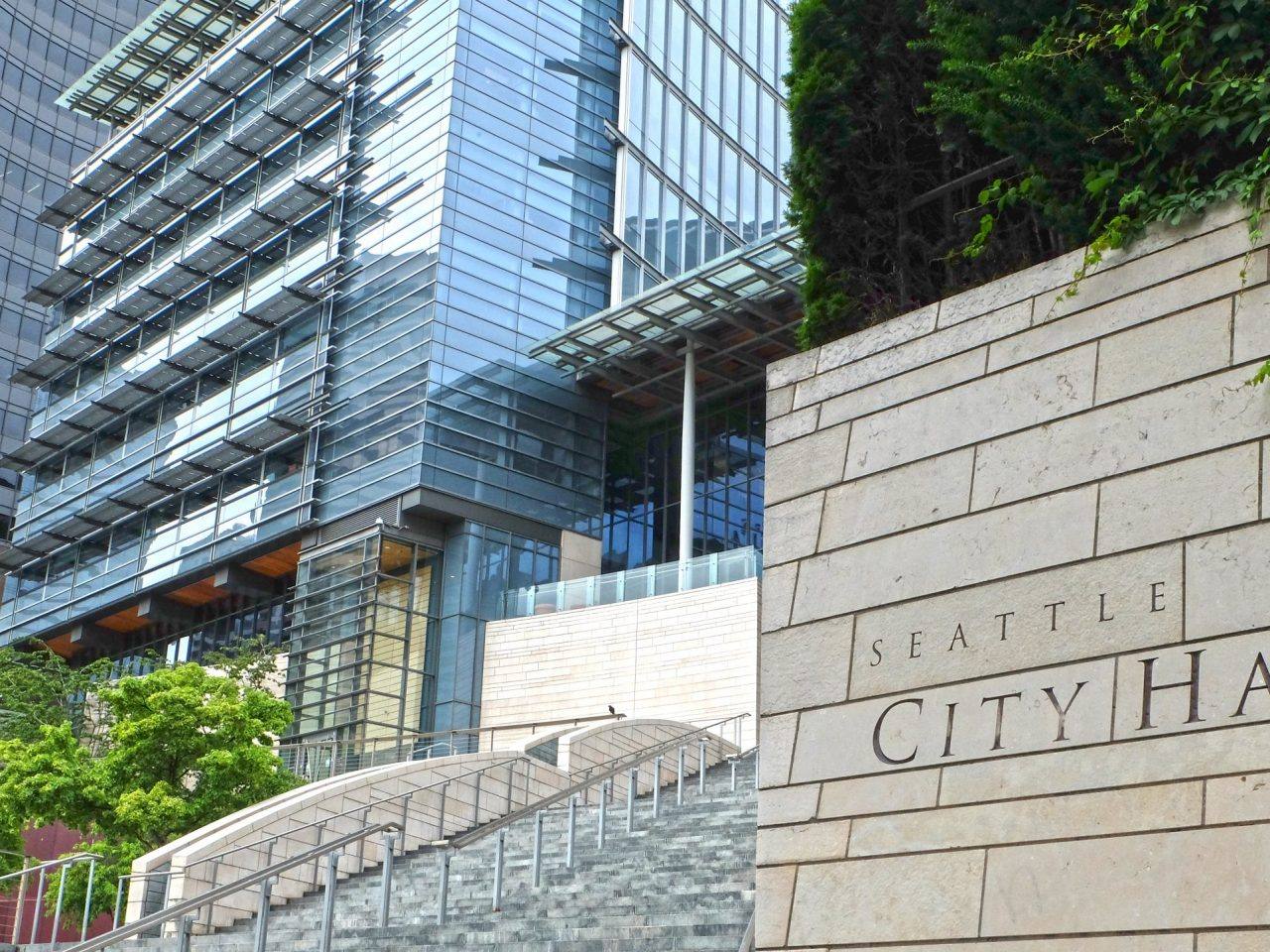
The Seattle City Council voted 7–2 on Friday, November 20, to pass a two-year, $9.1 billion budget for 2027–2028, closing a projected $175 million general-fund deficit — but adding tens of millions in spending that Mayor Katie Wilson warned the city cannot sustain in the years ahead.
Source: KNKX Public Radio
Councilmembers Maritza Rivera and Alexis Mercedes Rinck voted against the package. The vote came after the council's budget committee spent nearly 12 hours on Thursday working through dozens of amendments.
Source: PubliCola
What the budget does
The budget authorises $2.06 billion in general-fund spending for 2027, a 2.46% increase over the 2026 adopted budget, and keeps funding for basic city services — streets, police, fire, shelter beds and housing programmes.
Source: The Center Square
The council's amendments added about $41.7 million in spending for 2027, of which $35 million was labelled “one-time” even though councilmembers had originally proposed much of it as ongoing spending, according to City Budget Director Aly Pennucci.
Source: KNKX Public Radio
The mayor's warning
Wilson, whose first budget this is, said in a statement that she was pleased the council kept her investments in shelter expansion, public safety, housing stability, youth programmes and support for small businesses and immigrant, refugee and LGBTQ+ communities — but warned that the council's additions “mean we have more work ahead to achieve long-term fiscal sustainability.”
Source: Office of the Mayor, City of Seattle
“True budget stability would ensure that funding can be sustained beyond the next one or two years,” Wilson said earlier in the week. She cautioned that one-time proposals “will set expectations for additional funding in future years and, if presented more accurately as ongoing expenses, would show a project budget deficit in 2028 and beyond.”
Source: KNKX Public Radio
Pennucci told the council in a November 6 memo that using one-time money to pay for ongoing programmes has been a “major driver” of Seattle's structural budget deficit, and that items labelled one-time for 2027 or 2028 will be removed from the 2028 and 2029 baseline budgets.
Source: PubliCola
What the council added
The additions restore $7 million for firefighter overtime and $7 million for district transport-safety projects, reversing cuts in Wilson's September proposal. Wilson's original budget — praised by the business community for closing the deficit without new taxes — surprised many, because the self-described socialist mayor proposed an austere plan of cuts rather than new revenue.
Source: KNKX Public Radio
Councilmember Dionne Foster's amendments include $10 million for affordable housing — $5 million for multi-family rental projects and $3 million for homeownership — a fund collecting $13.1 million in overpayments to Seattle police officers to support housing construction, and a $350,000 partnership with the non-profit Undue Medical Debt that is expected to clear at least $6 million in medical debt for Seattle families.
Source: Seattle City Council
Foster also won $1 million to clear the City Attorney's case backlog, which spans at least three city attorneys and includes thousands of cases of gender-based violence, elder abuse, assault, stalking and sexual harassment — a backlog affecting more than 5,000 people awaiting justice — and $279,000 for the Chief Seattle Club to run Eagle Village, a shelter for people experiencing homelessness.
Source: Seattle City Council
The budget also moves $65 million in JumpStart payroll-tax revenue out of the Office of Housing to fund nearly 1,000 new shelter beds, on top of a $173 million transfer from JumpStart to the general fund.
Source: PubliCola
Background: how the deficit built up
Seattle's structural deficit grew as the city repeatedly used one-time funds to pay for ongoing programmes, a practice Wilson's budget director called a major driver of the gap. Wilson proposed shutting down a housing fund and drawing $10 million from it to prop up the general fund, a move the council did not adopt in full.
Source: PubliCola
What happens next
The mayor now has 10 days to sign the budget into law or veto it. Wilson has already expressed disappointment with parts of the package, though she thanked Budget Chair Dan Strauss and councilmembers for their work. If she signs, the budget takes effect for the 2027–2028 cycle; if she vetoes, the council would need to revisit the package.
Source: KNKX Public Radio
The longer question is the one Wilson and Pennucci raised: whether the city can pay for the council's additions in 2028 and 2029 without new revenue or fresh cuts, since the one-time money runs out and the items drop out of the baseline budget.
Source: PubliCola
What is solid
- The council passed the 2027–2028 budget 7–2 on November 20, 2026.
- The budget is $9.1 billion over two years and closes a $175 million deficit.
- Mayor Wilson has 10 days to sign or veto.
What is only claimed
- Whether the budget is sustainable beyond 2027 — the mayor and budget director say the one-time funding creates a deficit in 2028 and beyond; councilmembers who backed the additions say the programmes are worth funding.
- The exact size of the council's additions — reported as about $36 million net by one outlet and $41.7 million in 2027 spending by the budget director.