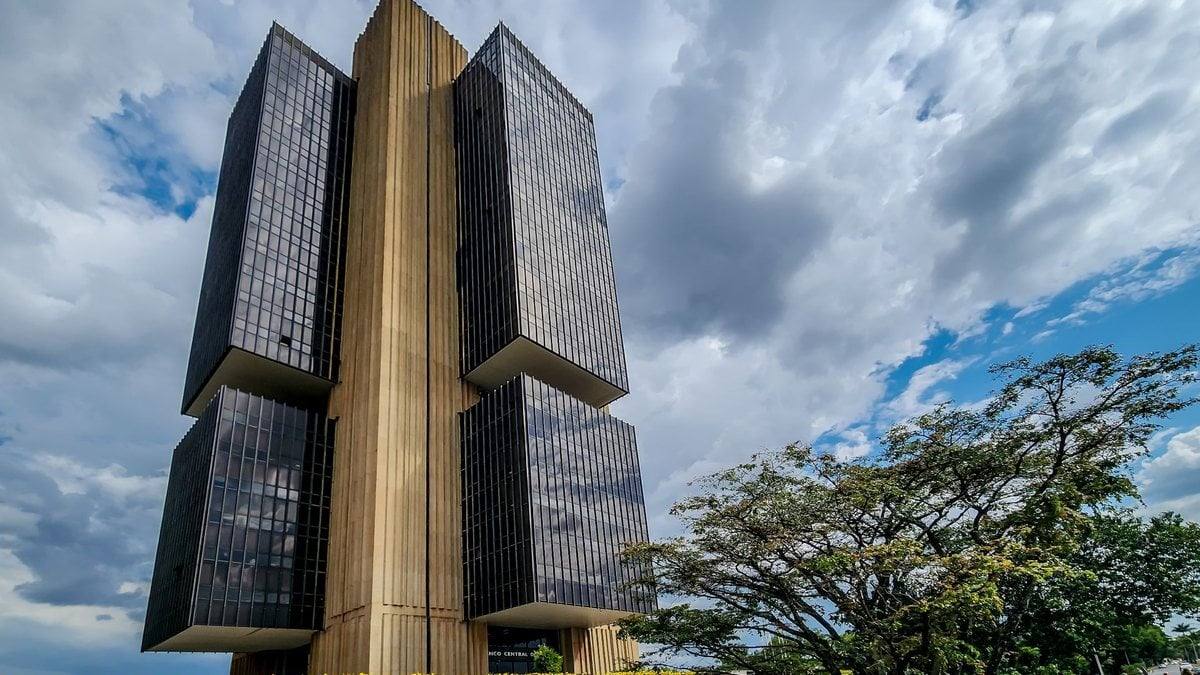
Brazil's central bank sold $1 billion in the foreign exchange market on Thursday, November 19, in an extraordinary spot-dollar auction aimed at slowing the sharp slide of the real, the country's currency. It was the bank's first outright spot-dollar sale since December 2024, and it came after the real fell to its weakest level in 19 months.
The dollar closed on Thursday at R$5.93 to R$5.94, up about 1.1% on the day and its sixth consecutive daily gain, according to market reports. That was the highest dollar close since April 2025. Since President Luiz Inácio Lula da Silva's re-election in late October, the real has fallen from around R$5.00 to R$5.94 against the dollar — a drop of roughly 15% — as investors have grown worried about the direction of Brazil's public finances.
The central bank accepted five proposals in the auction at a cutoff rate of R$5.86 per dollar, Reuters reported, citing the bank. The intervention followed two $1 billion line auctions — sales with repurchase agreements — held on Wednesday, November 18. Together, the three operations put about $3 billion of dollar liquidity into the market in two days.
The relief proved short-lived. Even after the $1 billion sale, the dollar kept climbing through the afternoon and closed near its session high. The real was also up 4.95% on the week and more than 9% in November alone, and the Ibovespa stock index fell about 0.8% to around 166,231 points on Thursday. Brazil's Treasury Direct platform, Tesouro Direto, briefly suspended trading in fixed-rate and inflation-linked government bonds as interest rates swung.
The immediate trigger for the sell-off is disappointment with the Lula government's fiscal package. The Senate completed its vote on the complementary bill on Wednesday, November 18, rejecting three opposition amendments after approving the main text on November 12. The package targets a primary budget surplus of 0.5% of GDP in 2027 and is intended to improve the 2027 budget by up to R$56.1 billion — yaani about 5,610 crore reais — but markets remain unconvinced that it puts public debt on a sustainable path.
The $1 billion sold on Thursday is yaani 1 arab dollar — 100 crore dollars — a large sum, but small next to the scale of the selling pressure. Analysts quoted in market reporting said the intervention mainly buys time: supplying dollars does not by itself restore confidence, and the real's slide is being driven by expectations about fiscal policy rather than a shortage of dollars.
The central bank's first spot-dollar sale in almost two years slowed the real's fall for barely an afternoon. Markets are now watching whether the government can convince investors its fiscal plan is credible — or whether the bank will have to intervene again.
For context, the real's troubles began soon after Lula's surprise re-election in late October, when the currency was trading near R$5.00 to the dollar. The Ibovespa has fallen from roughly 209,000 in early October to about 166,000, and the dollar has climbed steadily as investors priced in doubts about spending and debt. The central bank's November 16 Focus survey still projected a year-end exchange rate of R$5.40 — more than R$0.50 below where the currency now trades.
What happens next: Brazil's B3 stock exchange was closed on Friday, November 20, for the National Day of Zumbi and Black Consciousness holiday, so the next test comes when markets reopen. Traders will watch whether the central bank steps in again, how the fiscal package is implemented, and whether the government offers any new signal on spending. If the real keeps sliding toward R$6.00, pressure for further intervention — and for a clearer fiscal message — will only grow.
Source: Reuters via TradingView; Central Banking; MercoPress; Folha de S.Paulo