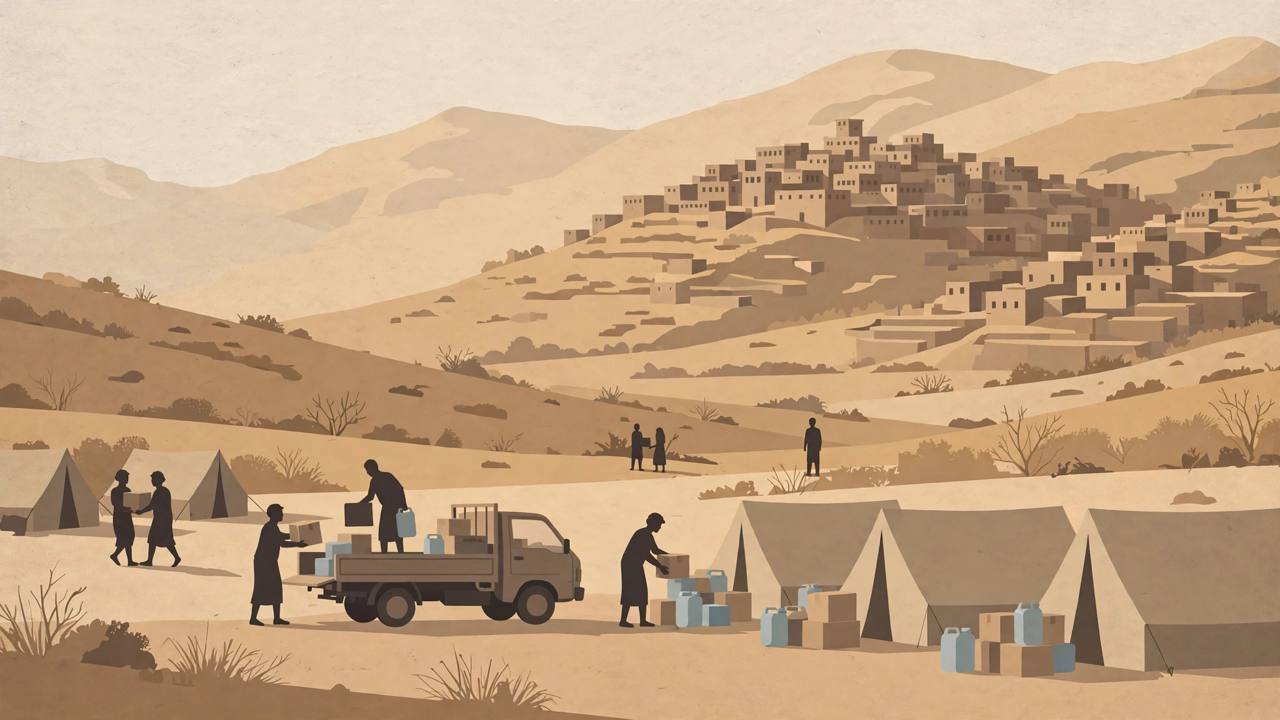
NEW YORK, Nov 18 — At least 64 children have been killed and another 64 injured in Yemen since hostilities escalated on September 3, UNICEF said in a statement on Wednesday, November 18, warning that the number of casualties is likely to increase as renewed fighting continues around densely populated areas, particularly in Taiz and Lahj governorates.
Source: UNICEF
“The rising number of children killed and injured in Yemen is devastating. It must stop,” said UNICEF Executive Director Catherine Russell. “Behind every number is a child whose life has been cut short or changed forever.”
Source: UNICEF
The escalation ended a four-year UN-brokered truce between the Iran-backed Houthis, officially known as Ansar Allah, and Yemeni government troops supported by a Saudi-led coalition, UN News reported. The renewed war has since spread across the south, and Saudi Arabia is now preparing for its campaign against the Houthis to last well into 2027, Western officials have said.
Source: UN News
Riyadh's longer war planning was reported earlier on Wednesday. Read: Saudi Arabia preparing for Yemen campaign to last into 2027
Schools, clinics and water systems hit
Basic services children depend on are being directly hit, UNICEF said. At least seven schools and 28 health facilities, including five supported by UNICEF, have been damaged since the escalation began. On November 2, an attack on the UNICEF-supported Al-Suqyah Health Centre in Lahj, which serves around 1,700 people, was reported to have killed five people, including three health workers. UNICEF did not assign responsibility for the individual attacks in its statement.
Source: UNICEF
Displacement is accelerating. More than 330,000 people, including an estimated 174,000 children, have been displaced since the renewed escalation began, many of them sheltering in unfinished or damaged buildings and struggling to access food, safe water and health care, the agency said.
Source: UN News
Taiz cut off, malnutrition rising
UNICEF said the situation in Taiz City is particularly alarming: with the main road from Aden closed and alternative routes insecure, more than 800,000 people had reportedly been cut off from humanitarian assistance as of late October. Water production in the city has fallen by nearly 50 per cent, food and fuel prices have more than doubled, and shortages of medicines, fuel, medical oxygen and electricity are threatening emergency, maternal and newborn care. Across the escalation-hit areas, around one in three children recently screened by UNICEF mobile health teams was found to be acutely malnourished.
Source: UNICEF
UNICEF said it is expanding its emergency response to reach up to 560,000 people — yaani about 5.6 lakh people — redeploying health and nutrition mobile teams to displacement sites and affected communities in Aden, Lahj, Abyan, Marib and Taiz, scaling up emergency water and sanitation support, and providing psychosocial care and case management for children, including those unaccompanied or separated from their families. Its latest humanitarian situation update puts the urgent funding requirement at US$8.5 million — yaani about 85 lakh US dollars, roughly 8.5 million dollars.
Source: UNICEF Yemen situation update
“Yemen's children have suffered so much. We urgently need safe and unimpeded humanitarian access,” Russell said. “All parties must comply with their obligations under international law. Children must be protected, including their access to essential services such as healthcare, education, safe water, and food.” What happens next depends on whether aid corridors into Taiz and the south can be reopened and whether the fighting around Aden — where Houthi forces have advanced to within about 60 kilometres, according to UN News — intensifies further.
Source: UN News
What is solid
- UNICEF's November 18 statement: at least 64 children killed and 64 injured since the September 3 escalation
- More than 330,000 people displaced, including an estimated 174,000 children (UNICEF)
- At least 7 schools and 28 health facilities damaged; the November 2 Al-Suqyah Health Centre attack in Lahj reportedly killed 5 people, including 3 health workers (UNICEF)
What is only claimed
- UNICEF did not assign responsibility for individual attacks in its statement; claims by the warring parties about specific strikes remain their own
- UN News describes an expanded UNICEF response reaching up to 350,000 people, while UNICEF's own press release puts the target at up to 560,000 people