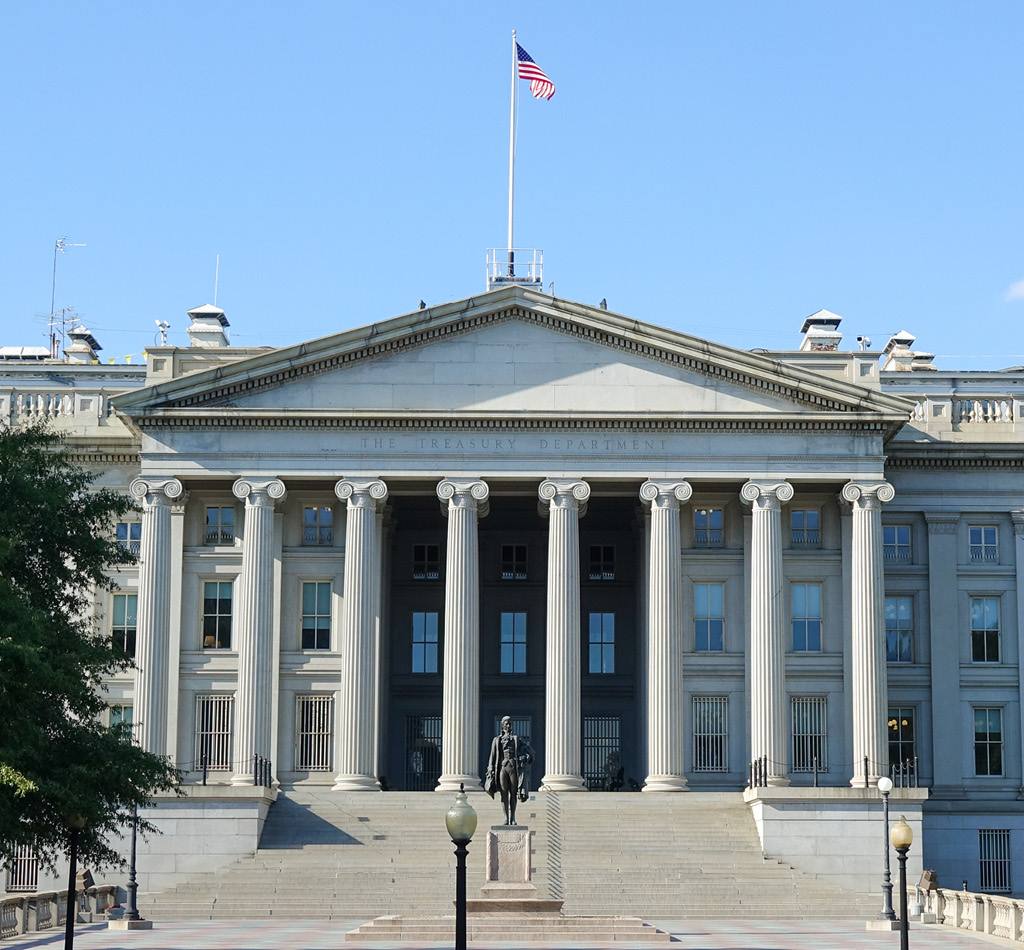
The US Treasury Department's financial-crimes bureau, the Financial Crimes Enforcement Network (FinCEN), disclosed on Tuesday, November 24, that it is investigating a cybersecurity incident that resulted in unauthorized access to a limited subset of its systems. The bureau said it has taken some systems offline as a precaution while the investigation continues.
Source: The Verge
FinCEN is the Treasury bureau that collects the financial intelligence banks file under the Bank Secrecy Act, including suspicious activity reports, and shares financial transaction data with law enforcement. Its job is to safeguard the financial system against money laundering and terrorist financing, which makes it one of the most sensitive holders of financial data in the US government.
According to FinCEN's alert on its BSA E-Filing site, the electronic filing website itself remains operational, but some services may be temporarily unavailable. Banks can still file suspicious activity reports online, and institutions needing to get urgent suspicious-activity information to law enforcement can use the Financial Institutions Hotline, 1-866-556-3974, which was not affected by the disruption.
The scale of the disruption was visible in a separate action FinCEN took the same day. Order FIN-2026-R002, issued on November 24, grants temporary, limited relief because of a service disruption: financial institutions that submit Bank Secrecy Act reports through Secure Data Transfer Mode, and companies and individuals required to file beneficial ownership information reports or update a FinCEN identifier, now have until December 30 to file reports that were due between November 18 and December 29.
Scope still unknown
FinCEN has not said which systems were accessed, whether any data was taken, when the intrusion began, or who was behind it. The order granting filing relief reaches back to submissions due from November 18, six days before the alert, but FinCEN has not said when the incident began or was detected.
Second breach reported the same day
The disclosure came hours after The New York Times reported that the Central Intelligence Agency and the Office of the Director of National Intelligence had discovered a breach of an open-source intelligence system, exposing unclassified data. Gizmodo, reporting the Times account, said the National Geospatial-Intelligence Agency was also believed to have been breached. Officials cited in that reporting said no classified systems were affected and that the breach had been resolved.
Source: Gizmodo
Some sources cited by the Times suggested China may have been behind the spy-agency breach, possibly using an AI hacking tool called Artex. That suggestion is attributed to unnamed sources and has not been established as fact. FinCEN has not linked its own incident to the spy-agency breach, and The Verge reported that it is unclear whether the two are related.
The Artex tool was also named in a separate cyberattack confirmed last week: the European Commission said its staff systems were hit by an AI-powered attack using ARTEX. Read the earlier story
What happens next
FinCEN said it is working to restore full system operations as quickly as possible. The investigation is continuing, and no further details about the scope, the source, or any data involved have been released. Further disclosures from FinCEN, the Treasury Department, or the intelligence agencies are expected as the investigations develop.
What is solid
- FinCEN confirmed unauthorized access to a limited subset of its systems and took some systems offline as a precaution
- The BSA E-Filing website remains operational; the Financial Institutions Hotline is unaffected
- Order FIN-2026-R002 moves filings due November 18 to December 29 to December 30
- The New York Times reported a breach of an open-source intelligence system at the CIA and the Office of the Director of National Intelligence the same day
What is only claimed
- Whether the FinCEN incident and the spy-agency breach are related
- Who was behind either breach
- Whether any data was taken from FinCEN's systems