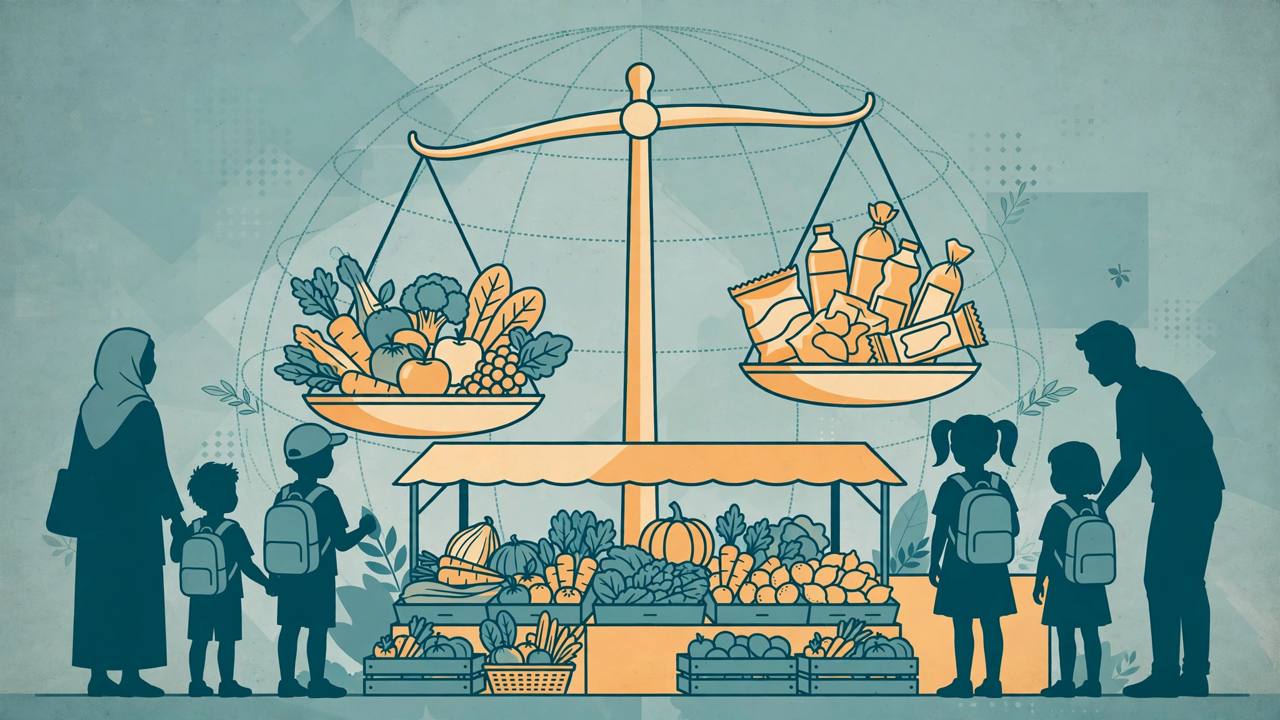
Spain and 20 other countries have committed to reducing their national obesity prevalence by 5% by 2030, under a global call for action on obesity launched on Tuesday, 17 November, with the World Health Organization (WHO) and UNICEF, Health Policy Watch reported from the launch briefing in Madrid.
Source: Health Policy Watch
"More than one billion people now live with obesity, and there are now more school-age children with obesity than children who are underweight," WHO Director-General Dr Tedros Adhanom Ghebreyesus told the briefing. "If obesity were a virus, it would be called a pandemic, and the world would be racing to stop it," he added, saying the call asks countries to respond with that same urgency.
One strategy, three tiers
The call commits the signatories to a single strategy in three tiers, the WHO document says: first, prevention for the whole population, including taxes on sugary drinks, clear food labels, limits on marketing unhealthy food to children and healthy food in schools; second, early action for people at higher risk, before risk becomes disease; and third, care for everyone living with obesity, including access to effective treatment without stigma.
Source: WHO — Global Call for Action on Obesity
Spain's Health Minister, Dr Mónica García Gómez, said governments "know what works": "We have the evidence, we have the tools, and we have the ability to make a real difference. So now let's make it happen." Spain has brought together 18 government ministers to implement its national plan to reduce childhood obesity, she said, adding: "Children don't live their lives in separate ministries, so we shouldn't design our policies as if they did."
A burden that has doubled since 1990
Obesity is a form of malnutrition and a chronic, complex disease that raises the risk of cardiovascular disease, diabetes and some cancers, according to WHO. Prevalence has more than doubled among adults and quadrupled among adolescents since 1990, and in 2025 obesity overtook underweight as the most common form of malnutrition among children and adolescents aged 5 to 19. WHO's obesity fact sheet puts the 2024 total at about 1.1 billion people — roughly one in seven people worldwide.
The 20 countries joining Spain are Bahrain, Barbados, Botswana, Brazil, Brunei Darussalam, Egypt, Eswatini, Ireland, Jordan, Malaysia, Mauritius, Mexico, Panama, the Philippines, Portugal, Seychelles, Slovenia, South Africa, Thailand and Uruguay. All are members of the first cohort of WHO's acceleration plan to stop obesity, adopted by the World Health Assembly in 2022, which counts 34 frontrunner countries in all. Six of the signatories — Botswana, Egypt, Eswatini, Mauritius, Seychelles and South Africa — are African states.
In the call's own terms, a 5% reduction means five fewer people in every hundred living with obesity — half a million people in a country of 10 million adults. Welcoming the launch, the World Obesity Federation said it was the first time governments had committed together to preventing obesity across the population, acting early for people at higher risk, and providing stigma-free care for everyone living with obesity.
"Obesity is one of the defining public health challenges of our time, but its continued rise is not inevitable," Tedros said. The pledge is a commitment, not a result: none of the 21 governments has yet demonstrated the 5% reduction, and WHO says emerging data from some countries suggests prevalence could begin to decline, though more work is needed to understand what is driving the change. A WHO launch webinar for the call is scheduled for Wednesday, 18 November.