The Enforcement Directorate (ED) has searched six premises in Assam and Meghalaya as part of a money-laundering investigation into the alleged illegal trade of gutkha, pan masala and zarda, officials said on Saturday.
Source: IANS
The searches were carried out on Thursday, 26 November, by the ED's Guwahati Zonal Office-I under Section 17 of the Prevention of Money Laundering Act (PMLA), 2002, at locations in Guwahati, Palasbari in Assam's Kamrup district, and Shillong in Meghalaya.
The probe centres on businessman Uday Chaurasia, his family members and associates. The investigation began on the basis of an FIR registered by the Special Task Force police station of Assam Police against Chaurasia and others under Sections 420 and 120-B of the Indian Penal Code.
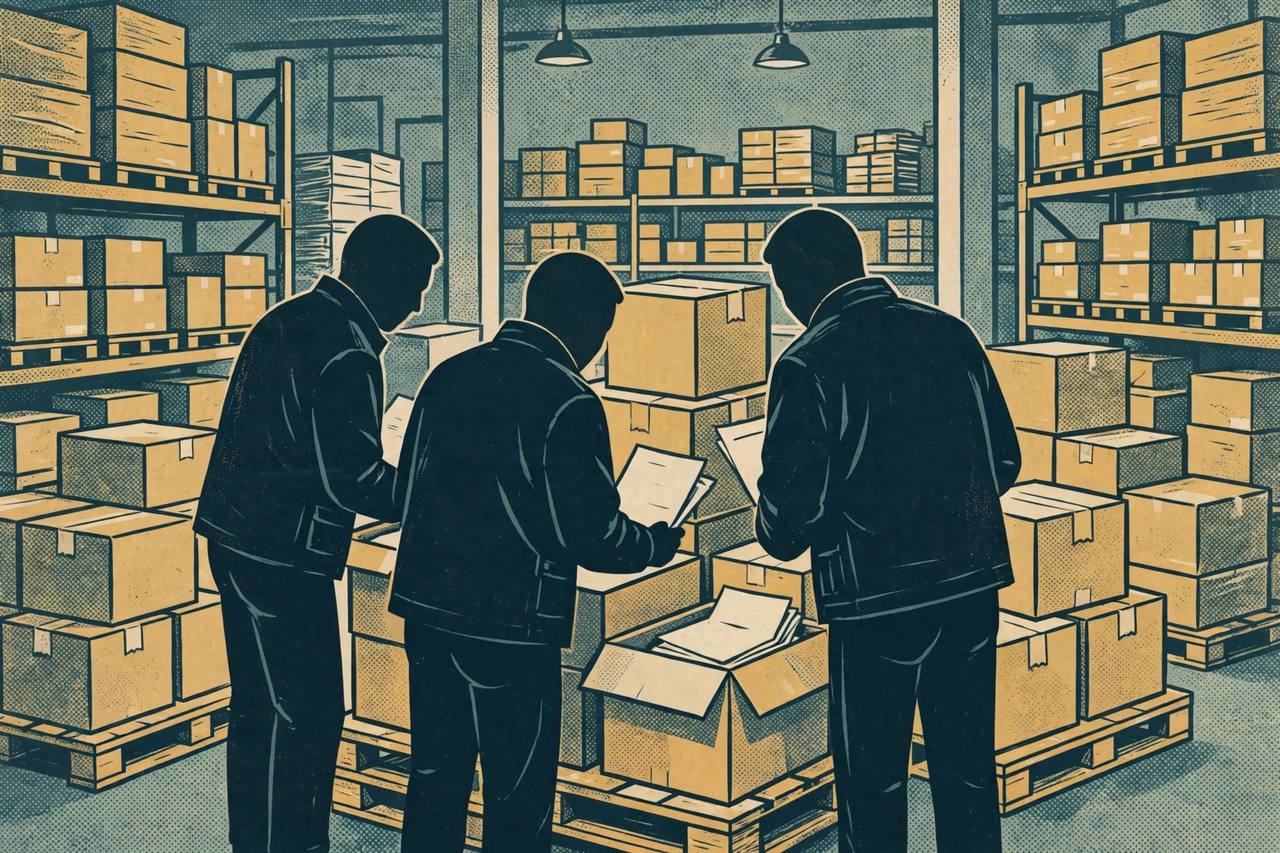
The FIR alleged that a large consignment of gutkha, pan masala and zarda was transported from Delhi to Guwahati by train using forged documents that described the goods as textiles. As many as 341 packages were seized from two railway wagons at Azara railway station in Kamrup district.
According to the ED, the alleged trade generated substantial cash proceeds, with about Rs 1,851 crore deposited into bank accounts of family members and firms connected to the family between the financial years 2014-15 and 2025-26.
The ED said two manufacturing units producing pan masala and zarda were set up at Palasbari in May 2024 in the names of nominal partners, and that the zarda and tobacco manufacturing unit was operating without an FSSAI licence.
During the searches, officials seized documents, digital devices, financial records, stock registers, mobile phones, sample sachets and unaccounted cash of about Rs 42 lakh. No arrests have been reported so far, and the investigation is continuing.
A search operation does not by itself establish guilt. The allegations against Chaurasia and others will have to be established through evidence and the legal process.
Gutkha and several pan masala and tobacco products are banned in many states. The case follows a 2023 seizure that exposed the railway route used to move the consignments, officials said.