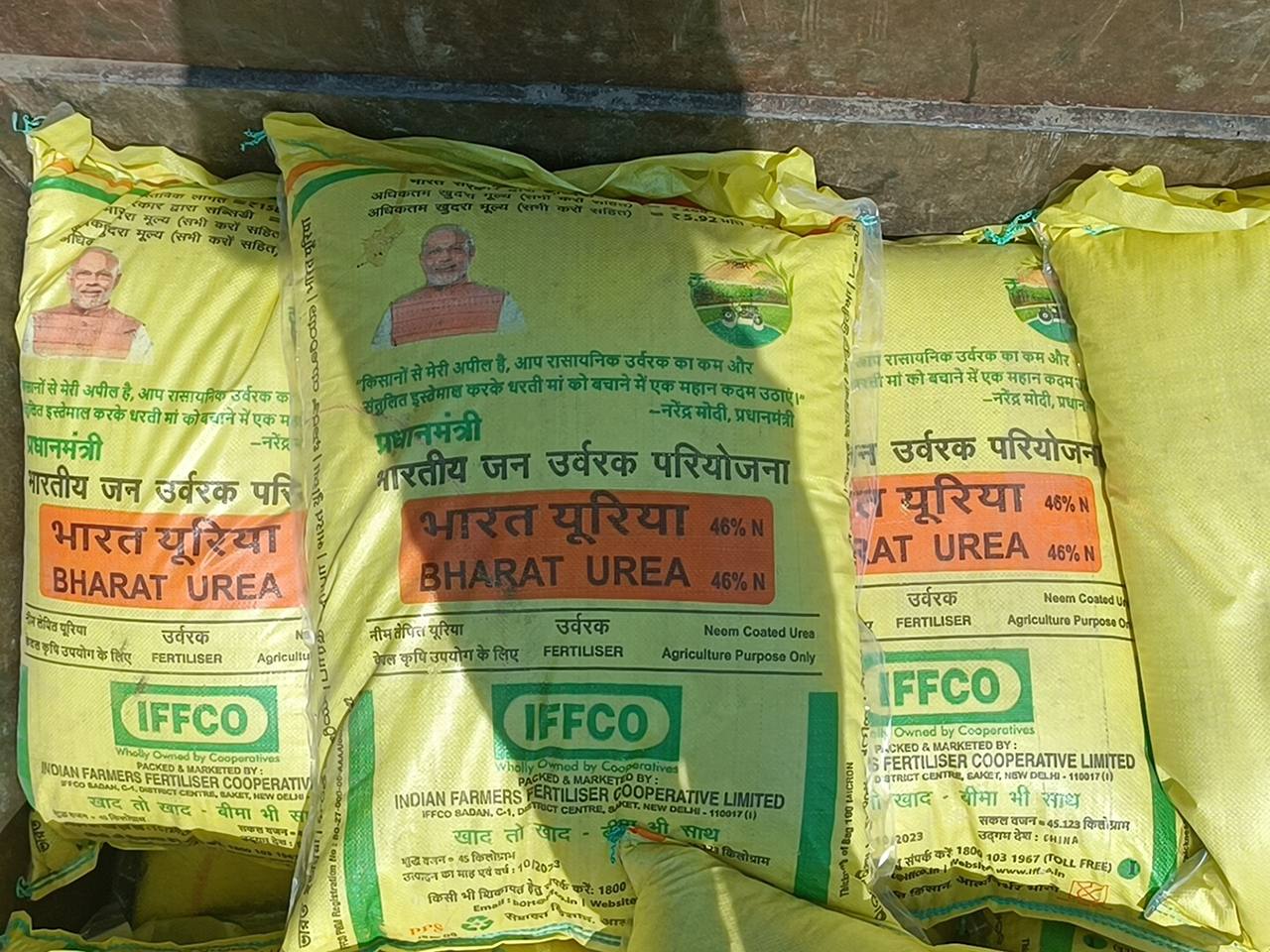
New Delhi: The government has asked the fertiliser industry to stop the diversion of highly subsidised farm-grade urea for industrial use and to cut production costs, warning that the current level of subsidy is not sustainable.
Source: The Hindu BusinessLine
Fertiliser Secretary Rajat Kumar Mishra, speaking at an event of the Fertiliser Association of India (FAI) in New Delhi on Thursday, said diversion was happening 'in a big way' and appealed to manufacturers and importers to help stop it.
'Please help to stop the diversion of fertiliser from agriculture to industry. It is actually happening, and happening in a big way,' Mishra said, according to reports of the event.
Mishra said more than eight crore farmers - 87 per cent of them small and marginal landholders - get subsidised fertiliser at only Rs 6 per kg for urea, while technical-grade urea costs Rs 60-70 per kg. The ten-fold price gap, he said, is the main reason subsidised urea is diverted to non-farm use.
He also raised concern over the 'tagging' of highly subsidised urea with other fertilisers by dealers while selling to farmers, and urged manufacturers and importers to reduce production costs without compromising on quality.
Subsidy bill under strain
The warning comes as the fertiliser subsidy bill keeps climbing. The Union Cabinet approved Rs 62,370 crore of nutrient-based subsidy for the rabi 2026-27 season, and the subsidy on a 45-kg bag of urea has risen from Rs 1,350 to Rs 2,775 since February 2026 as global input prices surged, according to The Hindu BusinessLine.
The Comptroller and Auditor General has separately opened an audit of urea use in 169 districts over suspected diversion of subsidised fertiliser, and the government has said the subsidy bill for the current financial year could cross Rs 3 lakh crore.
India remains dependent on urea imports to meet domestic demand, which makes every diverted bag a double loss - a subsidy paid for farming that never reaches a field, and an import bill that keeps growing.
Cheap farm urea diverted to industry means farmers can face shortages at sowing time while the exchequer pays for fertiliser that was never used on a farm.
Mishra said the government has developed a new system to help check diversion, and asked the industry to back it. Further details of the system were not disclosed at the event.