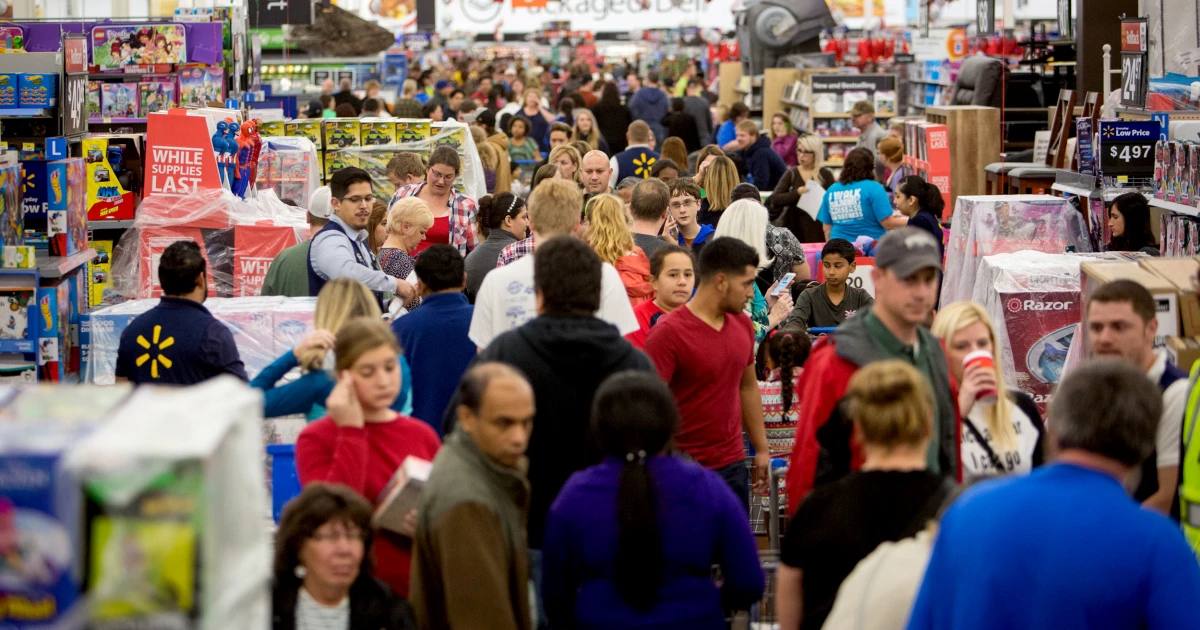
American shoppers spent a record $13.1 billion online on Black Friday, data from Adobe Analytics showed on Saturday, as deep discounts pulled buyers online even while inflation kept household budgets tight. The total was up 11.1 percent from $11.8 billion a year earlier and beat Adobe's own forecast of about $12.9 billion.
Source: Reuters
Our November 27 report covered Black Friday as shoppers were still buying. This story carries the final Adobe Analytics tally, released on Saturday, November 28. Read our earlier Black Friday report
The spending total was helped by discounts and promotions on apparel and appliances, as retailers competed for Americans weighed down by inflation and high gas prices, Reuters reported. Inflation is running at 3.8 percent, continuing to strain household finances even as the headline sales number set a record.
What shoppers bought
Electronics and gaming were among the strongest-selling categories, and shoppers snapped up popular toys and AI-powered gadgets, according to the Adobe report. But buyers also used the discounts to stock up on everyday essentials — cleaning supplies, pet care products and personal hygiene items — a sign that many households were buying what they needed, not just what they wanted.
The rush online came as fewer people went to the stores in person. Foot traffic at US stores was down 2.2 percent from a year earlier, at nearly 930 million visits on Black Friday, according to PassBy, a geospatial analytics company.
Cyber Monday comes next
Adobe expects US online spending on Cyber Monday, November 30, to jump 6.2 percent to $15.1 billion, contributing to about $47.5 billion in overall sales during the five-day Thanksgiving shopping period. Buy-now, pay-later options are expected to contribute $1.09 billion of Cyber Monday spending, up 5.3 percent from a year ago.
Shoppers are also leaning on AI to hunt for deals. Traffic from chatbots and AI-enabled browsers converted into purchases 68 percent more effectively than a year earlier, according to Adobe data.
For many families the day was about careful choices, not a splurge. Kristy Martinez, 46, of Williamsburg, Brooklyn, told Reuters she planned to spend slightly more on gifts this holiday season after she and her husband 'really pulled back' on spending last year.
What the record really means
A record in dollars does not mean record comfort. With prices higher than a year ago, part of the $13.1 billion reflects shoppers paying more for the same goods — which is why the heavy buying of cleaning supplies and pet food matters: it shows households using sale prices to cover the basics. For diaspora families sending gifts home or shopping for relatives, the message is the same as for everyone else: the deals are real, but so are the prices behind them.
What happens next: Cyber Monday figures arrive on December 1, and Adobe's full five-day tally will show whether the online surge held through the weekend. Retailers will also report in the coming weeks whether the strong sales translated into profit, or whether the deep discounts ate into their margins.