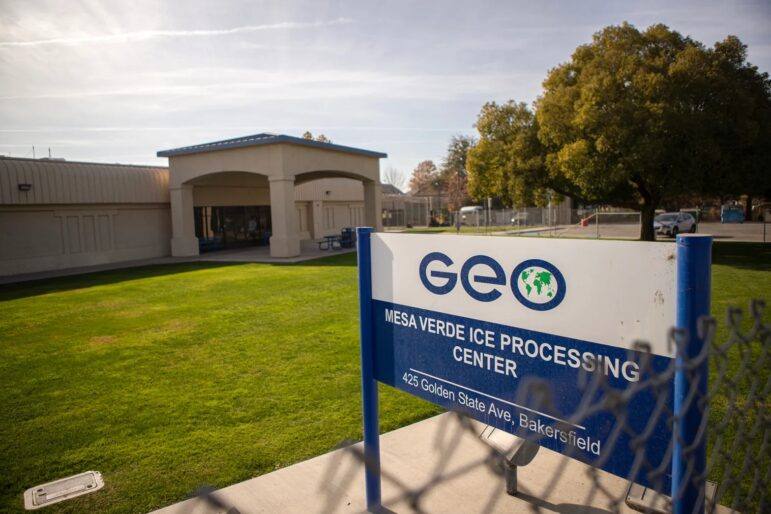
Legal mail going in and out of four immigration detention centres in Kern County, California, is routinely delayed by days — and sometimes weeks — and the delays have already cost detained immigrants their appeals, their bond hearings and, in at least three cases, their chance to stay in the United States. That is the finding of a new report by the California Collaborative for Immigrant Justice, reported by the Los Angeles Times on Wednesday, November 25.
Source: Los Angeles Times
The four centres named in the report are the California City Detention Facility, the Mesa Verde ICE Processing Center in Bakersfield, the Golden State Annex and the Central Valley Annex. All four hold people detained by U.S. Immigration and Customs Enforcement (ICE) while their immigration cases move through the courts.
What the report found
According to the report, detainees hand their legal filings to facility staff for mailing — but the outgoing papers can sit for days before they are sent, and incoming mail is often delivered days or weeks late. The delays hit both directions: court notices and evidence sent to detainees arrive late, and appeals and filings sent out by detainees arrive late at the courts.
The report traces one detainee's case in detail. On August 31, the Board of Immigration Appeals sent the detainee a letter carrying a paperwork deadline. On September 13, the detainee placed an appeal in a mailbox at the California City facility for express mailing. On September 18, evidence was mailed by regular post, ten days before a hearing. The appeal did not reach the Board of Immigration Appeals until September 21 — four days after its deadline had passed.
The report also says the facilities limit paper, envelopes and postage, provide few computers and outdated legal resources, and that at two of the sites detainees reportedly lost access to legal tools and stamps after protests or complaints. Since this month, the California City facility has been giving detainees the contents of their incoming mail without the original envelopes.
Why the timing matters now
The findings land just weeks before a new federal rule takes effect on December 17 that cuts the time to appeal to the Board of Immigration Appeals from 30 days to 10. Detainees at these sites depend on physical mail for their filings, so the shorter deadline raises the stakes of every delay — a late letter that once cost a few days of a 30-day window could now cost the whole appeal.
Who runs the centres — and what the group alleges
The Mesa Verde centre is run by the private prison company GEO Group and the California City facility by CoreCivic, according to the companies' own signage at the sites. The advocacy group alleges the mail delays reflect understaffing and undersupply by the private prison operators — a claim that has not been independently established. The report's findings have not yet been tested in a formal legal proceeding.
The same pattern elsewhere
Similar mail problems have been reported at other ICE facilities. At the Aurora ICE Processing Center in Colorado, the advocacy group Casa de Paz told The Denver Post that detainees no longer receive original copies of their mail — it is opened, scanned and delivered as copies — that returned letters can take months to reach senders, and that self-addressed stamped envelopes sent by families are now treated as contraband. Detainees there have also alleged that staff open their legal mail without them present, which would go against ICE protocol.
Source: The Denver Post
What it means for families in the Central Valley
Kern County sits in California's Central Valley, along the Interstate 5 and Highway 99 corridors, and is home to a large Punjabi and immigrant community — many of them truckers and farm workers whose families live in Bakersfield, Fresno and the surrounding towns. For families with a loved one detained in one of these centres, the mail is often the only channel for court papers, evidence and legal help, and lawyers are now advising families and attorneys to allow far longer than standard delivery times when sending anything to a detainee.
What happens next
The shorter 10-day appeal window takes effect on December 17. Advocates say the combination of slow mail and a shorter deadline will put more detained immigrants at risk of losing cases they could have won — and they are pressing for reliable mail handling and full access to paper, stamps and legal materials inside the facilities. The report's findings remain untested in court, and the next test may come when a detainee whose appeal was lost to a mail delay challenges the outcome.
This report is based on the California Collaborative for Immigrant Justice report as reported by the Los Angeles Times, with additional reporting from WiseVoter and The Denver Post on detention mail practices.