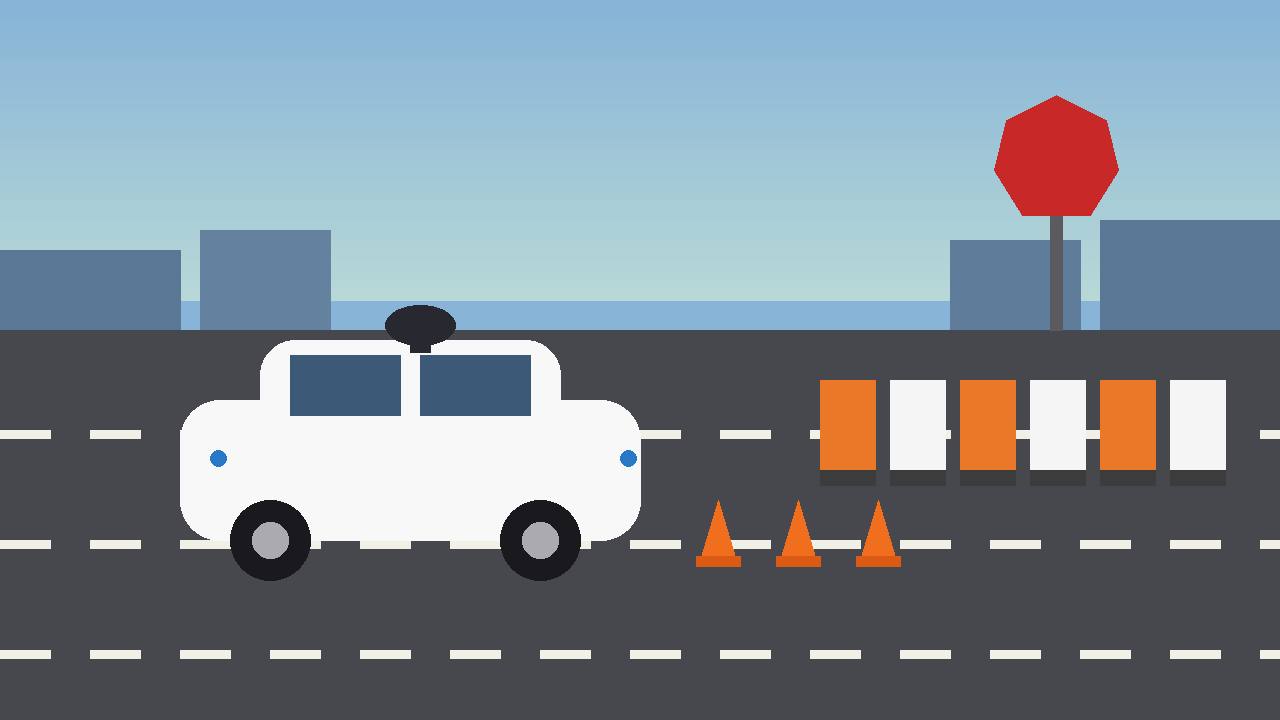
California has barred Waymo's driverless vehicles from every freeway in the state, finding that the robotaxis pose an "imminent hazard to public safety" after repeated incursions into active construction zones — and Waymo has responded by pausing freeway rides for paying passengers in every market where it offers them, not just in California.
Source: Associated Press
The California Department of Motor Vehicles issued the operating restrictions on November 11, but the order only became public on Tuesday, November 17, when it was first reported by the San Francisco Business Times and confirmed by the department. The restrictions bar Waymo from operating or testing driverless vehicles on all California freeways, DMV spokesperson Jonathan Groveman said in a statement.
The two incidents that triggered the ban
According to the DMV, the immediate trigger was an incident on November 5 in which three Waymo driverless vehicles entered an active construction closure on U.S. Route 101 near Burlingame, on the San Francisco Peninsula. The next day, November 6, a second incident unfolded on a highway in San Francisco involving California Highway Patrol vehicles. Video of that encounter circulated widely on social media last week and showed a Waymo vehicle trying to bypass CHP vehicles that were conducting a traffic break.
"The Department determined that Waymo's driverless freeway operations pose an imminent hazard to public safety due to recurring incursions by its vehicles into active construction zones where construction workers, vehicles and equipment are present," Groveman said. He added that similar incidents had previously occurred on May 18, 2026 — meaning the pattern persisted despite a prior restriction and corrective actions the company took after those earlier encounters.
Waymo pauses freeway rides nationwide
Waymo, which is owned by Google's parent company Alphabet, said it has complied with the California order and voluntarily extended the pause. A spokesperson wrote that the company has "temporarily restricted commercial freeway rides in all markets where we operate that service," while "continuing freeway testing with trained autonomous specialists behind the wheel." The suspension was implemented last Wednesday, the spokesperson said, but the company did not say how long it would last.
In its fuller statement, Waymo said the "recent freeway construction zone encounters on U.S. 101 in California" did not involve "any injuries or collisions," and that its ride-hailing service "continues to operate safely on surface streets, serving over half a million trips each week." The company said it is working with the California DMV and other state officials "diligently and responsibly to resume freeway operations."
What riders lose while the ban lasts
Before the suspension, riders could hail Waymo robotaxis for freeway rides in the San Francisco Bay Area, Los Angeles, Phoenix, Miami and Austin, according to the Associated Press. The company offers rides on city streets in many other areas as well, including Las Vegas, Dallas and Denver — and those surface-street services are not affected by the order.
Freeway access had been a central part of Waymo's expansion since it began offering freeway rides in late 2025. In the Bay Area it sharply cut travel times on Peninsula routes and underpinned service to San Francisco International Airport, which the company began offering in January. With freeway rides paused, those airport and cross-city trips revert to slower surface streets, and riders in Phoenix, Miami and Austin lose a service California's regulator never directly ordered them to lose — Waymo chose to extend the pause itself while it evaluates its performance.
The DMV's case rests on a hazard every trucker and highway worker knows well: vehicles entering live construction zones where crews, equipment and closures leave no room for error. The order is also a test of how quickly a state regulator can ground a driverless fleet operating at national scale — and how far one state's safety finding travels once the company applies it everywhere.
Background: the second freeway suspension this year
This is the second time in 2026 that Waymo has been barred from California freeways, according to reporting on the DMV order. The May 18 incidents led to an earlier restriction and a round of corrective actions by the company. The DMV's position now is that those fixes were not effective: its statement says the restrictions were precipitated by deficiencies that recurred anyway, and they will stay in place until Waymo "demonstrates to the Department that it has taken effective corrective actions to address the deficiencies that precipitated the restrictions."
What happens next
The DMV has set no timeline and published no checklist of metrics Waymo must meet, so the return of driverless freeway rides in California is open-ended. Waymo can keep testing on freeways only with a trained specialist behind the wheel, and its commercial freeway service in other states remains paused by its own choice for as long as its internal evaluation lasts. For now, the robotaxis stay on city streets — in California and, by Waymo's own decision, on the freeways of every other market too.