A federal judge in Chicago swiftly rejected the Justice Department's last-minute bid to sideline her from the 'Broadview Six' case on Friday, denying the request about 14 hours after it was filed and accusing the government of a 'basic misapprehension' of how the court system works.
Source: Capitol Fax
Associate Attorney General Stanley Woodward, the Justice Department's third-ranking official, filed the motion at 6:50 p.m. on Thursday, arguing that U.S. District Judge April Perry was acting as both prosecutor and judge in her inquiry into alleged misconduct by federal prosecutors. He asked Perry to step aside from deciding which evidence is protected by privilege and to appoint a special master or an 'otherwise disinterested judicial officer' to rule on the issue ahead of a hearing on December 2.
Perry was having none of it. In a ruling posted to the court docket on Friday morning, she called the motion 'untimely,' noting that the Justice Department had known for more than five months that she planned to hold the hearing — yet waited until the night before potentially privileged materials were due to file its request. She wrote that 'the substance of the motion reflects a basic misapprehension about what a special master does,' and added that she would still have to make the final decisions about which communications are privileged.
What the December 2 hearing is about
Perry has ordered Chicago's top federal prosecutor, U.S. Attorney Andrew Boutros, and three assistant U.S. attorneys — William Hogan, Matthew Skiba and Andres Almendarez — to testify under oath about possible misconduct in the grand jury proceedings behind the collapsed case. She is weighing whether sanctions or criminal contempt proceedings are warranted against the prosecutors.
The case could produce an extraordinary scene, Tribune reporter Jason Meisner wrote on Friday: Boutros could be ordered by his own bosses in the attorney general's office not to answer certain questions — or Chicago's top federal law enforcement officer could assert his Fifth Amendment rights on the witness stand. 'Perry has so far shot down attempts by the Justice Department to limit or derail the proceedings,' Meisner wrote.
How the case got here
The 'Broadview Six' case began with felony charges against six protesters outside the immigration detention facility in Broadview, Illinois, west of Chicago. The Justice Department dropped the charges in May after allegations of grand jury misconduct surfaced. Former federal prosecutor Sheri Mecklenburg, who handled the case, later resigned — but Perry's inquiry into the prosecutors' conduct has continued.
It is the latest in a series of setbacks for the department in Perry's courtroom. On Monday, November 16, she rejected a Justice Department bid to limit what she can ask prosecutors, and ordered that disputed privilege claims be sent privately to the court by November 20, with the department's response due November 25. In an earlier order, she wrote that 'Boutros's statements are hard to credit.'
Judge Perry had already ordered U.S. Attorney Andrew Boutros to testify under oath as she probes possible false statements in the collapsed Broadview Six case. Read the earlier story
What happens next
The December 2 hearing goes ahead as scheduled, with the privilege dispute now settled in Perry's favour. The Justice Department has previously signalled it could fight her rulings on appeal if she refuses its terms — a threat that hangs over the hearing, where the four prosecutors are expected to answer questions about what they knew of possible grand jury misconduct, the accuracy of their statements to the court, and why some communications were redacted.
For Chicago's immigrant communities, the case is a rare test of whether federal prosecutors face consequences when an immigration case collapses amid misconduct claims. A judge repeatedly refusing to let the Justice Department narrow her inquiry — and now rejecting its attempt to remove her from the privilege fight — keeps that test alive.
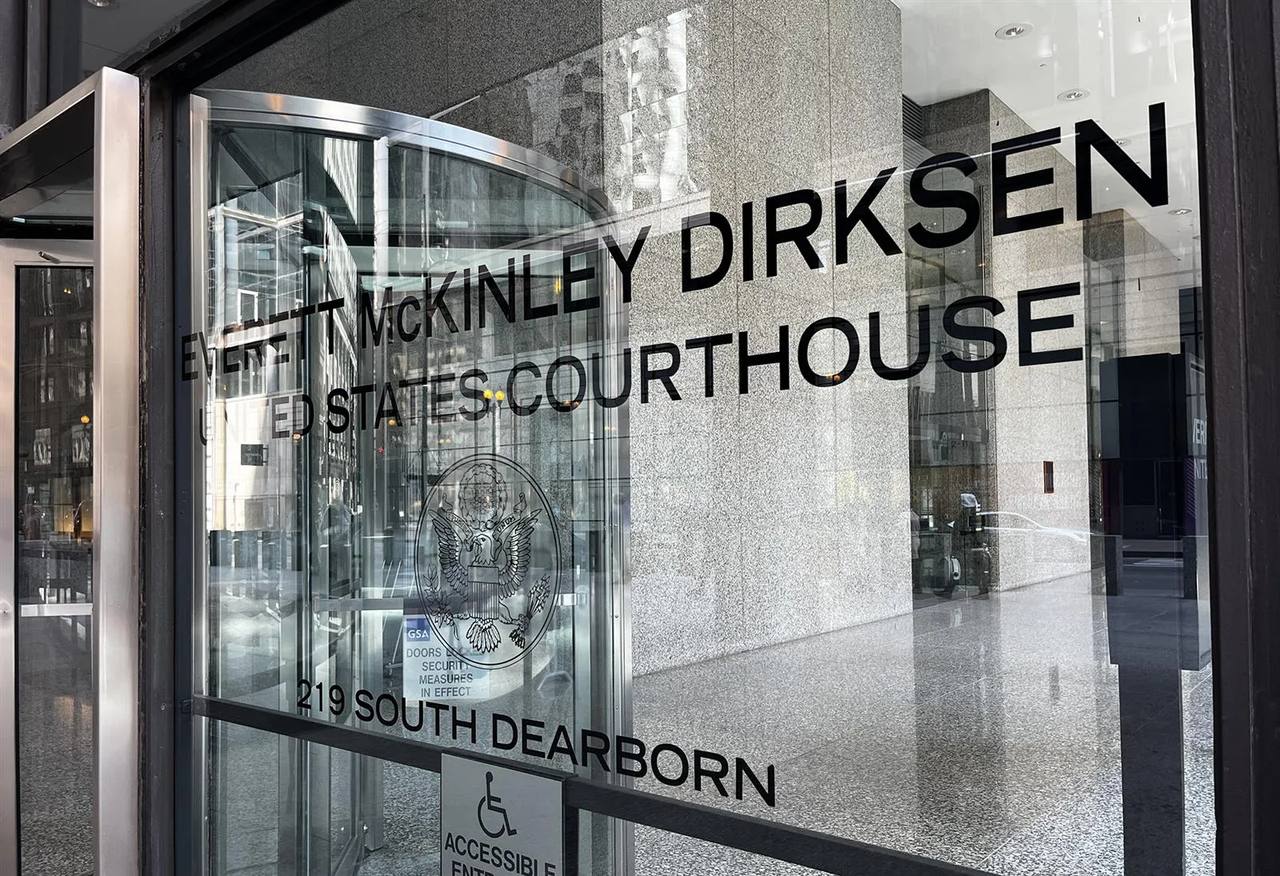
The December 2 hearing will take place at the Everett McKinley Dirksen United States Courthouse in downtown Chicago.