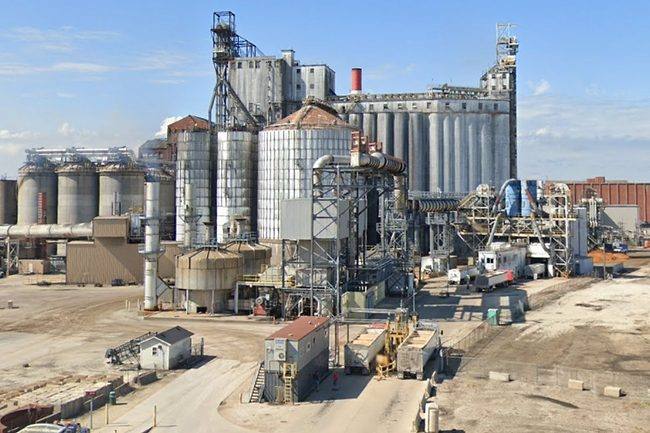
A Chillicothe man accused of emailing a bomb threat that shut down the BioUrja Renewables ethanol plant in Peoria and forced an 18-hour evacuation of thousands of residents has been indicted in federal court, pleaded not guilty, and been ordered held in federal custody pending a detention hearing on Friday. Andrew K. Kozak, 41, appeared in federal court in Peoria on Tuesday, November 17, after a grand jury indicted him on two counts — making a threat involving explosives, and making a threat using interstate communications, namely an email. The indictment is an allegation, not a conviction, and Kozak's not-guilty plea means the case now moves toward a jury trial scheduled for January 11, 2027.
Source: NPR Illinois / WCBU
This is the next court stage in the case Awaaz Punjab has followed since Friday's evacuation and Monday's report that a suspect was in custody. Read the earlier story: suspect reported in custody in BioUrja bomb-threat case
What the indictment alleges
According to the indictment reported by NPR Illinois and WCBU, Kozak is accused of threatening to unlawfully damage and destroy a building by means of fire and an explosive, and of sending an email to BioUrja which indicated that explosive devices had been placed at the BioUrja facility in Peoria. If convicted, he faces up to 10 years in prison on the first count and up to five years on the second, plus fines and years of supervised release. At his first court appearance on Tuesday he pleaded not guilty, was appointed a public defender, and was remanded to the custody of the U.S. Marshals Service pending a detention hearing set for Friday morning, when a judge will decide whether he stays in custody while the case proceeds.
How investigators say they found him
Gregory Gilmore, the U.S. Attorney for the Central District of Illinois, told media that Kozak was quickly identified based on quick action taken by law enforcement. "It was all hands on deck, and agents working 24/7," Gilmore said, adding that public safety is his office's highest priority and that "threats like those to the plant generate fear in our community and disrupt the daily lives of its members." Ryan Presley, Special Agent in Charge of the FBI's Springfield Office, said agents had been combing through evidence, serving legal process, interviewing people and conducting searches to identify the defendant. "The FBI does not act alone," Presley said, standing alongside representatives of the Peoria Police Department, the East Peoria Police Department and the Bureau of Alcohol, Tobacco, Firearms and Explosives. Presley declined to answer questions about the investigation, and authorities have not said why BioUrja was targeted. NPR Illinois noted that a LinkedIn profile for a man matching Kozak's name describes work as a process trainee at BioUrja; BioUrja has not confirmed whether Kozak worked there.
The Friday night that emptied a mile of Peoria
The charges grow out of the emergency that began on Friday, November 13, when BioUrja electronically received a bomb threat by email. Hours later, authorities say, an explosive device was found at the plant and neutralized on Friday night. Peoria Police issued an evacuation order covering a one-mile radius of the plant that lasted 18 hours and affected thousands of people who live and work in the area, including parts of Downtown Peoria, the Warehouse District and East Peoria. The order was lifted at about 1 p.m. on Saturday after authorities finished searching the sprawling plant for additional devices; none were found. Peoria Police Chief Brad Dixon said on Tuesday that an estimated 2,500 homes were evacuated. Evacuees were sheltered at Manual High School, where, Dixon said, the response became "an incredible effort" by residents who showed up to help their neighbours — though he acknowledged the city had not been fully prepared: cots and supplies were not in place when people had to be moved, a gap he called a learning point.
Peoria Mayor Rita Ali, who on Monday had relayed BioUrja's message that a suspect was in custody, said on Tuesday: "We didn't dodge a bullet. We dodged a bomb," adding that lives were saved. Ali and Dixon plan a major debrief of the response — covering communications, role clarity, points of contact and shelters. Law enforcement also returned to the plant on Monday morning for what officials called "court-authorized procedures"; it remains unclear whether that activity was Kozak's arrest or another step in the investigation.
Why this case matters beyond Peoria
BioUrja's Peoria plant is a major ethanol facility, and ethanol plants concentrate exactly the hazards — flammable liquids, industrial chemicals and large workforces — that make a bomb threat there a city-scale emergency rather than a single-building scare. The response emptied about 2,500 homes, ran officers on 16-hour shifts, and closed off parts of two cities for most of a day. Chief Dixon said the cost of the response has not yet been estimated, and that overtime will be drawn from the department's budget. For readers across Illinois, the case is also a reminder of how federal threat law works: an emailed threat alone, prosecutors say, can carry a decade in federal prison when it alleges explosives, because of the fear and disruption it is designed to cause — whether or not a device is ever found. In this case, authorities say a real device was found and neutralized, which is why officials describe the outcome the way Mayor Ali did.
What happens next
The immediate next step is Friday morning's detention hearing, which will decide whether Kozak remains in U.S. Marshals custody or is released under conditions while awaiting trial. The jury trial is scheduled for January 11, 2027, in federal court. The investigation itself is not closed: officials declined to discuss evidence on Tuesday, have not announced a motive, and have not confirmed any employment connection between Kozak and the plant. Awaaz Punjab will follow the detention hearing and report the judge's decision.